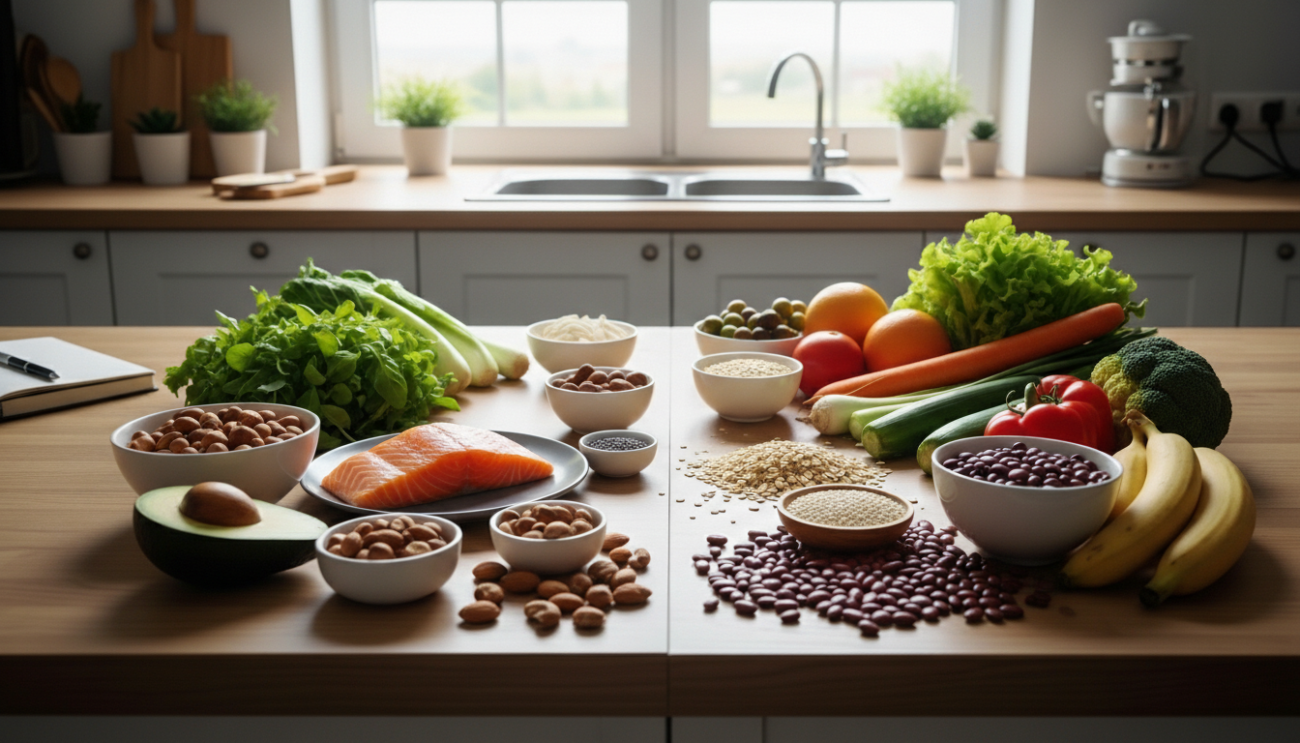
A large long-term study published in the Journal of the American College of Cardiology analyzed nearly 200,000 U.S. adults over more than 30 years. The main finding is clear. Neither low-carb nor low-fat diets are automatically better for your heart. The real difference depends on the quality of the foods you choose. When built around healthy, nutrient-rich options, both approaches were linked to a lower risk of coronary heart disease. Here are 10 important points to help you make smarter choices for long-term heart health.
It’s Not About Cutting Carbs or Fat. It’s About Food Quality
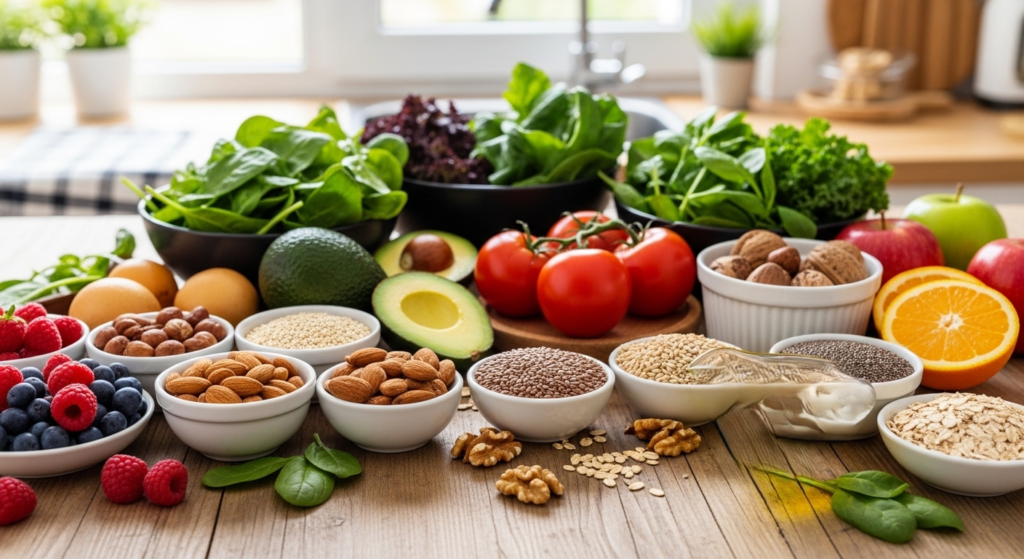
Cutting down on carbs or fat doesn’t just mean your heart will be healthier. What’s really important is what you’re replacing them with. It’s all about the quality, not just how much you’re eating.
Healthy Low-Carb Diets Were Linked to Lower CHD Risk
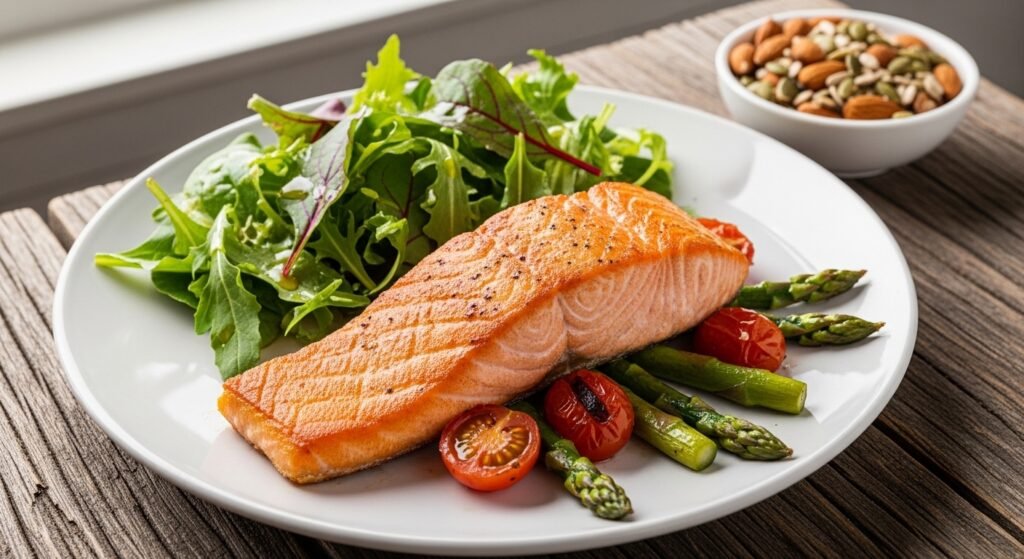
Eating less carbs worked better when people focused on real proteins and fats – like nuts, seeds, and healthy oils from plants. That change helped guard against heart disease linked to clogged arteries.
Unhealthy Low-Carb Versions Raised Heart Risk

Eating a lot of processed meats, sugary grains, and fatty foods that you find in some popular low-carb diets is connected to a higher chance of heart disease.
Healthy Low-Fat Diets Also Support Heart Health

Eating more whole grains, fruits, veggies, and lean proteins can really help reduce the risk of heart disease. Plus, it works even better when you get the right mix of nutrients!.
Refined Carbs and Processed Foods Hurt Outcomes
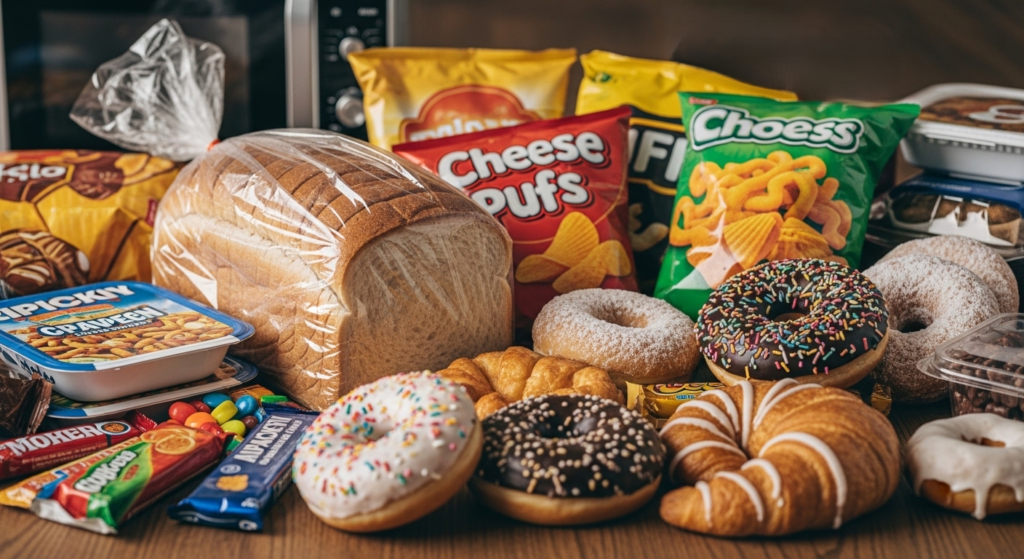
White bread, crackers, sweet items, along with too many animal items, played a big role in raising heart trouble odds across both slim-carb and slim-fat plans.
Whole Grains Made a Big Difference in Low-Fat Eating
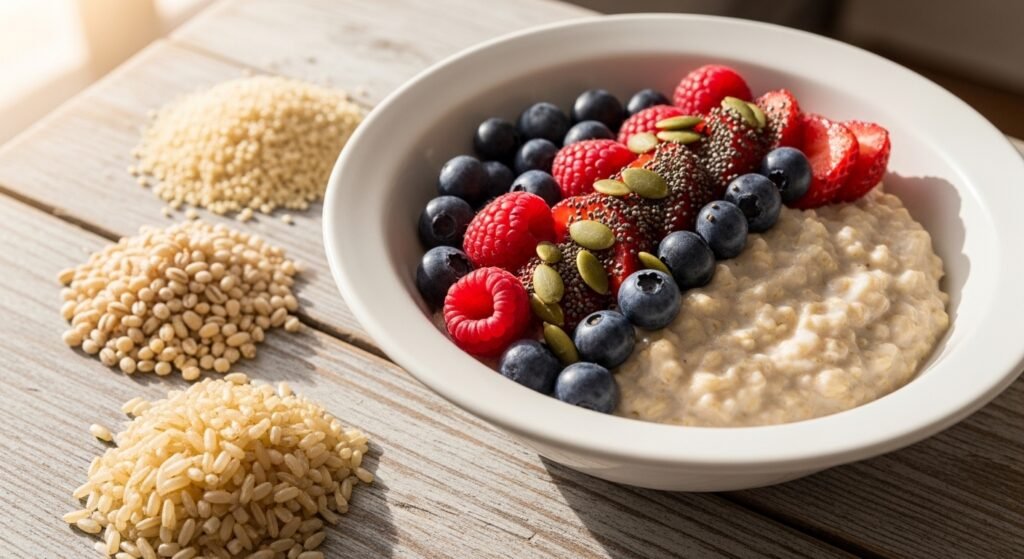
Munching less on packaged carbs started a shift – people reached for natural picks instead: oats, brown rice, quinoa, barley. Hearts noticed, quietly improving when diets trimmed extra fat.
Plant-Based Proteins Offer Clear Advantages
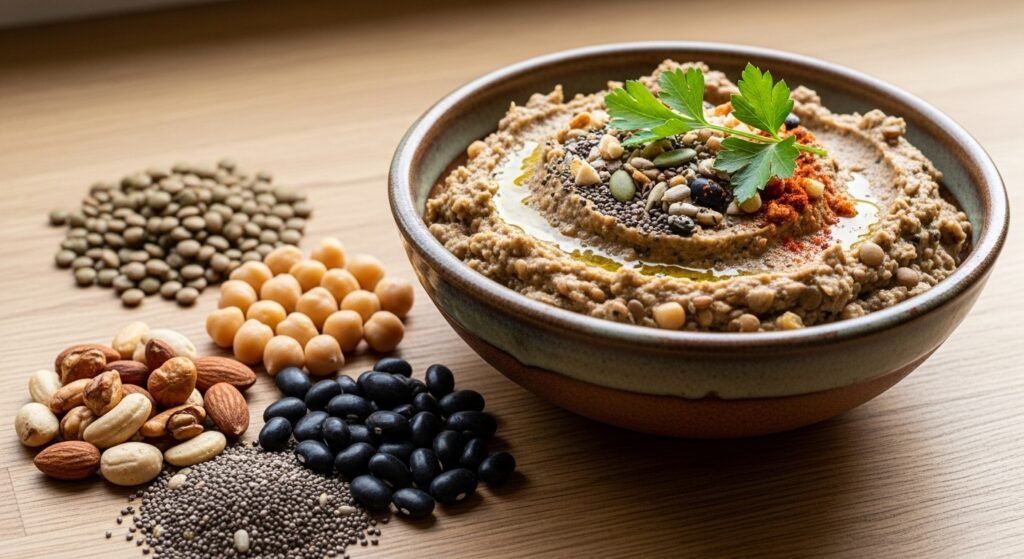
Beans, lentils, and legumes pack plenty of protein, fitting well within a low-carb way of eating. Nuts and seeds do the same, offering strong options without excess sugar. This group supports steady blood flow plus sidesteps heavy doses of processed meat fats. Choosing these skips the usual red meat load of saturated content.
Saturated Fats from Animal Products Can Be Problematic
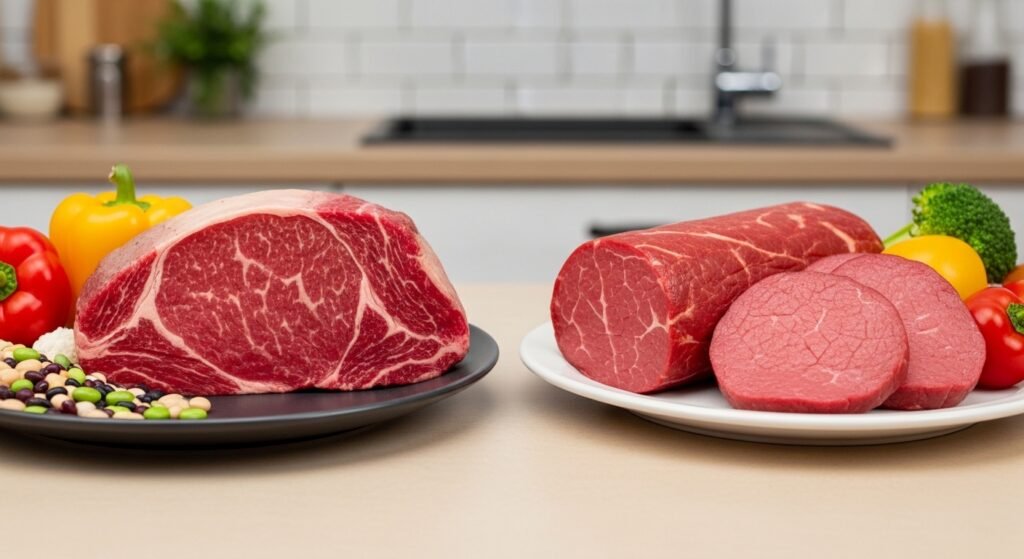
Eating more red meat and saturated fats, which you often find in some low-carb diets, can be connected to a greater risk of heart problems and things like that.
Extreme Diets Need More Research

One thing the study showed was limitations. When people follow very narrow eating plans – say, tight keto – its results may not apply so well there. Those taking part usually value well-being, work regular hours, often hold steady roles – so effects might change depending on who’s included.
Focus on Nutrient-Rich Whole Foods for Lasting Benefits
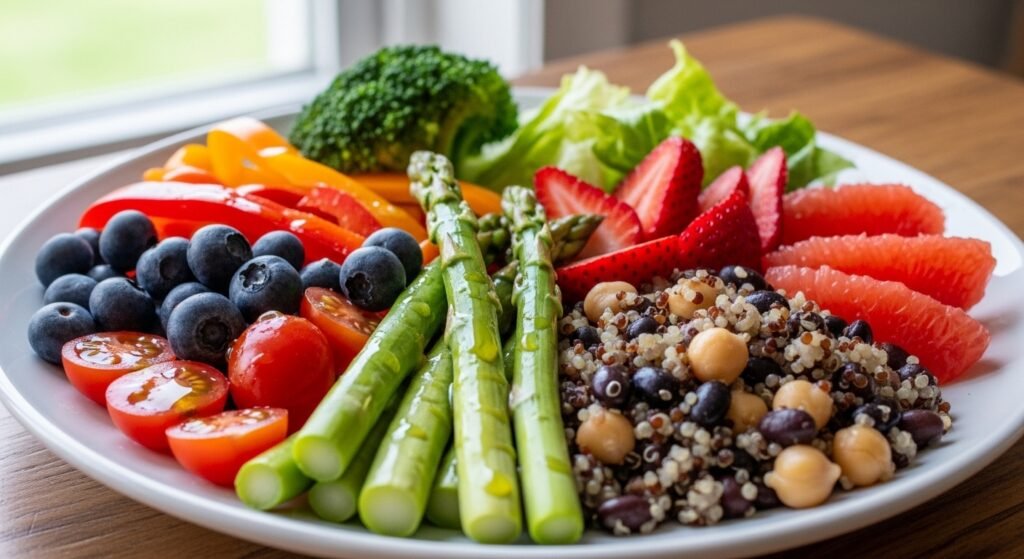
That idea hits home for lead researcher Zhiyuan Wu. What you place on your plate counts deeply – beyond cutting out carbs or limiting fat. Think colorful veggies, fresh fruits, unprocessed grains, clean sources of protein like beans or poultry, along with nourishing oils – these pieces hold real power for long-term heart function. The method? Flexible, grounded, not tied strictly to one way of eating.
