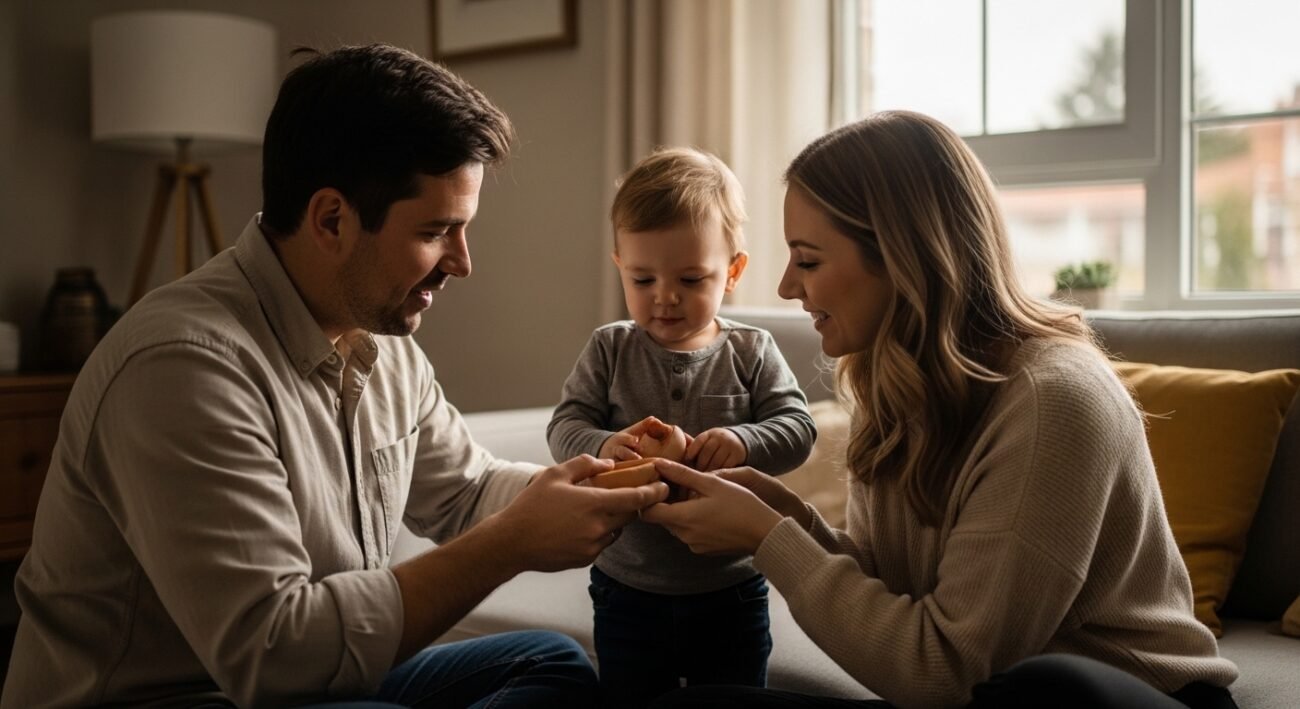
What makes emotionally smart parenting different? It’s less about getting things right, more about noticing what’s happening inside yourself. Care matters when you listen deeply instead of rushing fixes. Guidance works better when it walks alongside feelings instead of pushing them under. Strength built here shows up years after the toddler years fade away.
They name emotions without judging them
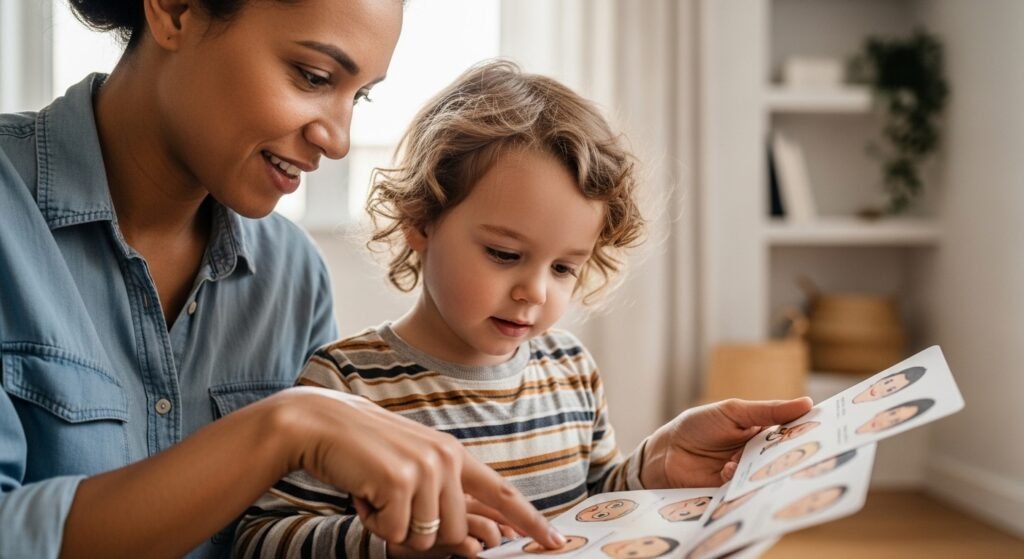
Feelings aren’t pushed aside when smart parents raise kids. A quiet word helps tag each emotion as it shows up. That moment teaches young minds emotions are expected – and handled without fear.
They Stay Calm During Emotional Moments

Families calm down before stepping in. Safety settles when parents remain still. A quiet response teaches children – intense emotions won’t spark disaster.
They Listen More Than They Lecture

Listening comes first for emotionally aware parents. Kids get space to share how they feel, only then does advice follow. Trust grows when children see their emotions taken seriously. Knowing their voice counts changes behavior – they lean into connection, respond better, engage more fully.
They Set Boundaries With Empathy

Feelings get noticed now, yet boundaries stay firm. These moms see hurt but hold steady. Kids see that rage feels real, still actions face results, building trust without weakening control.
They Encourage Problem-Solving Together
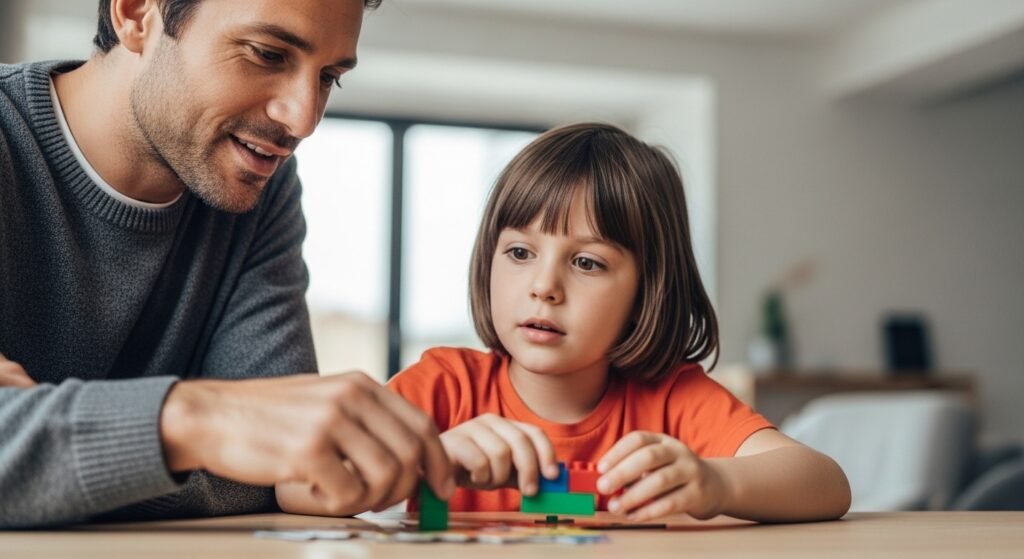
Instead of jumping in to solve problems, thoughtful parents bring kids along when working out fixes. By doing this, young ones gain self-assurance, toughness, and ways to choose wisely – so they act on their own, not just follow orders.
They Apologize When They Make Mistakes

Losing patience or seeing things wrong? 1 step back – those moms take full responsibility. Saying sorry builds trust; it whispers that flaws never trap who someone becomes – just chances to fix, learn.
They Model Healthy Emotional Expression

One way kids grow is seeing how others feel. When parents handle emotions well, they teach without saying much. Watching mom upset over a spill teaches one thing. Seeing dad grin at good news shows another. How caregivers react sticks with children. Those moments build quiet understanding.
They Focus on Connection Before Correction

First comes reestablishing the emotional bond. When kids feel truly seen, teaching works better. Being near builds teamwork – yet distance can spark pushback.
