
Alone with the kids, many parents feel disconnected despite having a partner or close relatives. Caring for the household nonstop, juggling moods, and choosing what to do – it piles up fast. That heavy sense grows when no one truly understands the rhythm. That is where groups of parents and cooperative childcare matter most – not only for help with tasks, yet because connection shapes inner strength.
Shared Responsibilities Reduce Overwhelm

Parenting tasks spread across partners, family, or close friends – no single person carries the full weight. Shared activities like cooking dinner or putting kids to bed help everything settle into place. Stress dips when responsibilities are spread wide throughout the day.
Emotional Support Is Essential

What stands out is how sharing moments connects parents. Instead of facing everything alone, they find support through real conversations. Knowing others face similar hurdles eases pressure, showing what feels overwhelming is actually common ground.
Children Benefit From Diverse Role Models

Not only grown-ups share care. When kids meet more than one caregiver, they gain adaptability, understanding, even teamwork. Watching various ways of handling challenges or showing warmth expands how they connect and manage feelings.
Strength in Shared Experience

Linking up with fellow parents brings clarity – some things are normal, others stand out. Talking through moments builds a quiet bond, showing that every parent carries similar weight in caring for a kid.
Practical Help Frees Mental Space

Sometimes it is the quiet help that matters – someone watching kids, cooking food ahead, or bringing children to school. Such moments do not fix everything yet they release space inside a parent’s mind. Space that can now hold being close to a child instead of tracking appointments.
Encourages Consistency and Stability
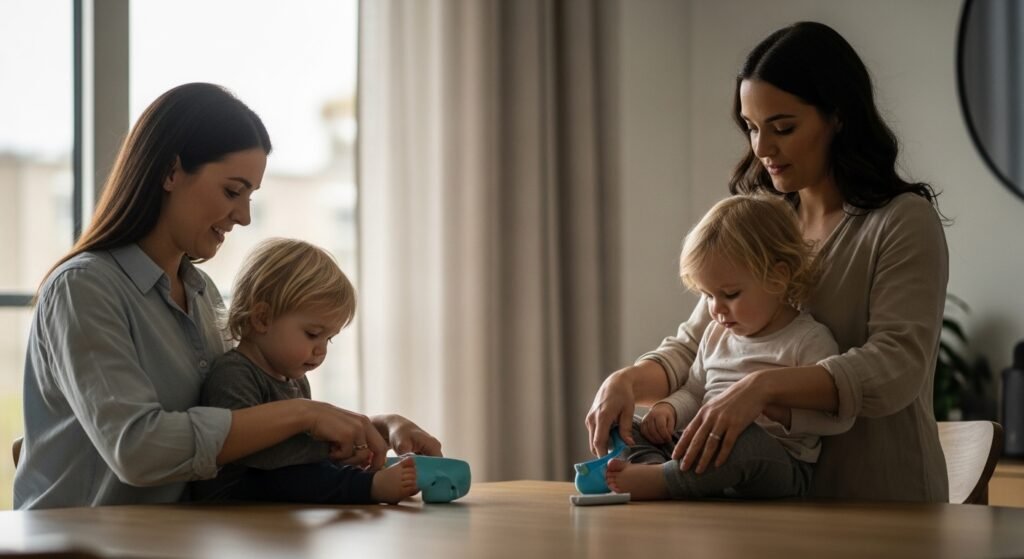
When more than one person cares for a child, they often share tasks in ways that bring order to daily life. A group of caregivers might establish clear expectations without confusion, helping little ones feel steady amid change. Parents gain peace knowing meals get ready or bedtime routines stick, especially during busy stretches. Shared effort turns unpredictable moments into ones shaped by familiarity.
Builds Resilience for Tough Moments

Life doesn’t come with a clear roadmap when raising kids. When tough moments hit – like endless wakefulness, tough behavior, or sudden pressure – common ground helps. A sense of being held together strengthens everyone involved.
Creates Lasting Bonds
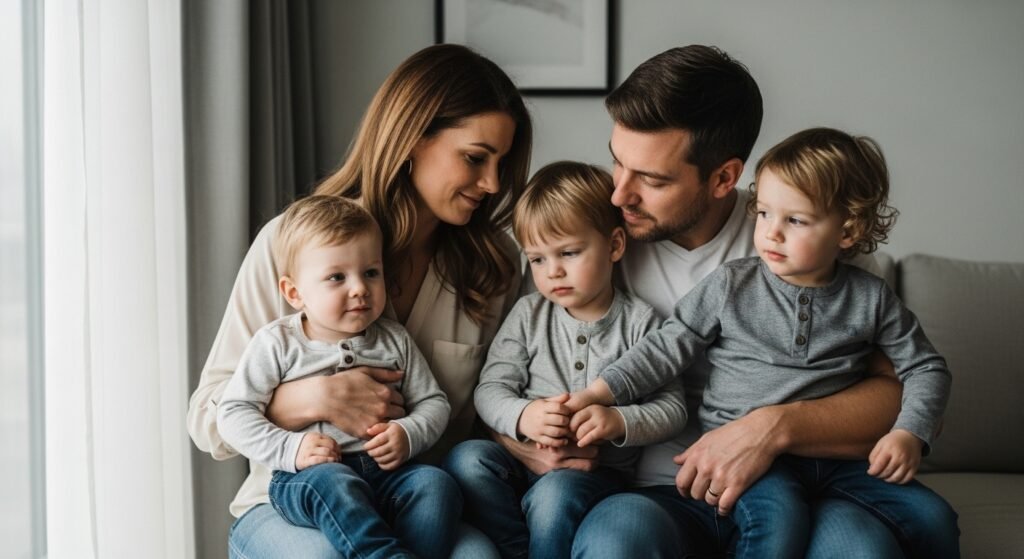
Friendships sometimes grow quietly within parenting groups, shaping bonds stronger than casual ties. From shared struggles, meaningful guidance emerges – not by plan, yet naturally – creating space where isolation once lived. Belonging takes root slowly, built through repeated encounters, forming foundations steady enough for everyday living.
Reduces Isolation And Mental Load

Alone, worry grows along with tiredness. When care is divided between parents, tasks become easier to manage, stress dips. Bonding happens more naturally under these conditions. Having someone nearby shifts inner weight – to steadier ground.
Encourages Reflection and Growth

When families join a close-knit group, they get to watch how others parent. Seeing new ways sparks thought, makes people reflect, changes how they see their own choices with kids.
