
Taking kids on holiday alters the tempo of any holiday. It is not only about sightseeing or relaxation anymore, but it is also about controlling energy, moods and expectations. Most parents consider that traveling with children is automatically a stressful experience. In practice, failure to plan or unrealistic schedules lead to most of the frustration. Trips can be managed in a better way and they can be much more pleasant when they are organized. The trick lies in the middle of things, planning and flexibility, activity and relaxation, adult inclinations and child-friendly fun.
Choose the Right Destination

Not all places are worth traveling with children. Such cities where walking a long distance is required, transportation is complex, and your time is tight can get tiresome. The areas that have parks, open spaces, and easy transportation are not hard to control. Attractions that are friendly to the family also minimize stress per day. When you go to the right place, pressure is instantly reduced among all the people.
Plan, But Avoid Over-Scheduling

One of the greatest errors of parents is overplanning. This is because tight itinerary schedules do not allow any room in terms of delays or changes in mood. Children must have time to adapt, eat a snack and take a nap. When major activities are restricted to one or two activities in a day, the level of energy is maintained. Adaptation is flexibility and not a reaction.
Book Comfortable Accommodation

The significant role in traveling pleasure is played by accommodation. The small rooms in hotels may be claustrophobic after a hard workday. A location that has sufficient space to store or even a small kitchen is convenient. Routines are facilitated by access to laundry and a comfortable bed. The whole experience is enhanced with a relaxed base.
Pack Strategically
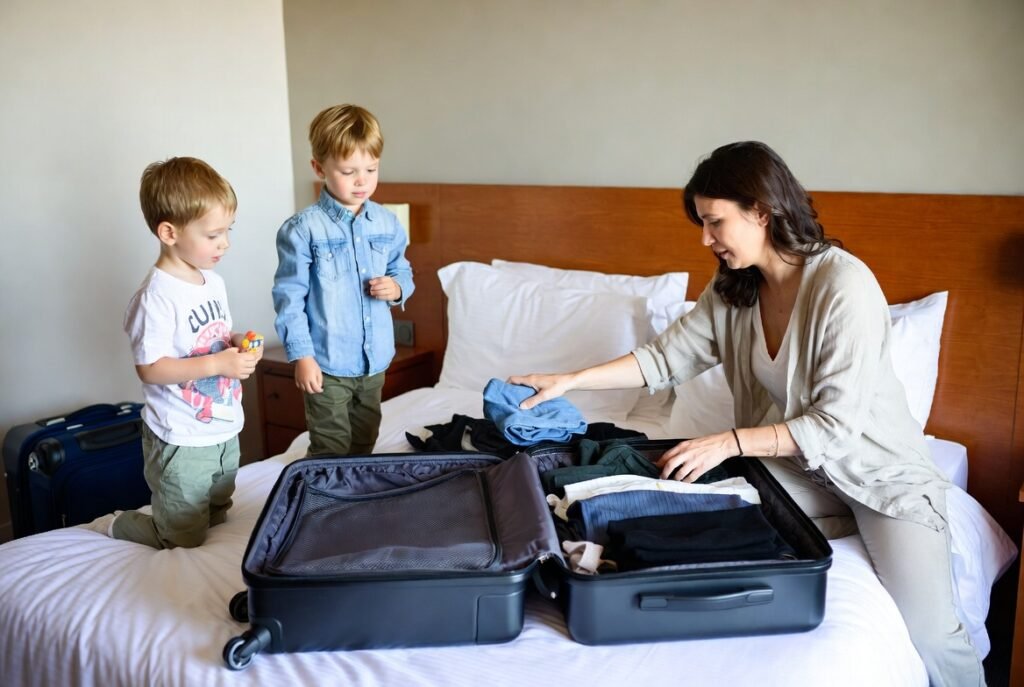
Overpacking raises unnecessary tension in the process of traveling. Meanwhile, being unable to remember essentials results in panic. Prefer snacks, medications, comfort and simple entertainment. Store luggage to make it very easy to access. Smart packing minimizes the stress at the time of transition.
Maintain Simple Routines

Children are nurtured on predictability. Although traveling inherently interferes with the schedule, maintaining meal and sleep time is approximately the same which makes the mood more stable. His home rituals, even small ones, provide comfort. Routine helps to minimize tantrums and decadence.
Prepare for Transit Time
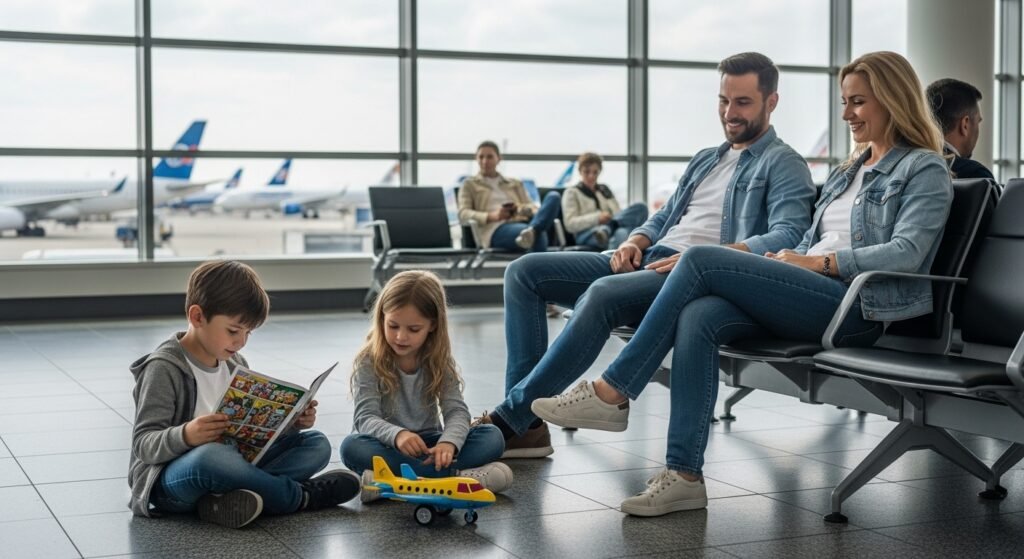
Air travel, commuting to work or driving can be a challenge to patience. To avoid boredom, it is best to prepare the entertainment and snacks beforehand. The explanation of the process of traveling to the children makes it less stressful. Smooth changes allow the start and finish of every travel day.
Balance Activities for Everyone

The family trips are not to be based on children and adults at all. Switch between the activities and experiences that the adults have and those that are kid-friendly. Experience, which is held in common, fortifies affiliation. Equalized planning ensures resentment is avoided.
Schedule Downtime
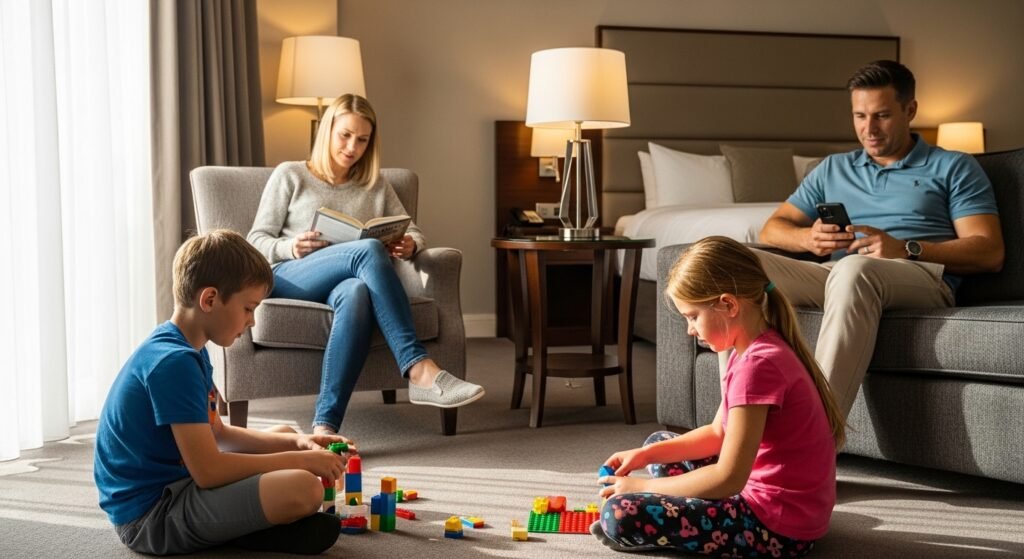
The monotony of motion is exhausting. The new environments can overstimulate children. Mini-escapes in the hotel or lazy afternoons discourage emotional barrage. A relaxed infant is less complicated to address.
Manage Expectations Realistically

It will not be perfect to travel with children. It is normal to have delays, mood swings and changes that are not expected. The acceptance of this minimizes disappointment. In case expectations are realistic, minor problems seem manageable.
Focus on Connection Over Perfection

The ideal photos and the ideal itineraries are not desired. Significant common moments are more important. By being there, one can enjoy. When the pressure is lowered, the trip is to be remembered because of the right reasons.
