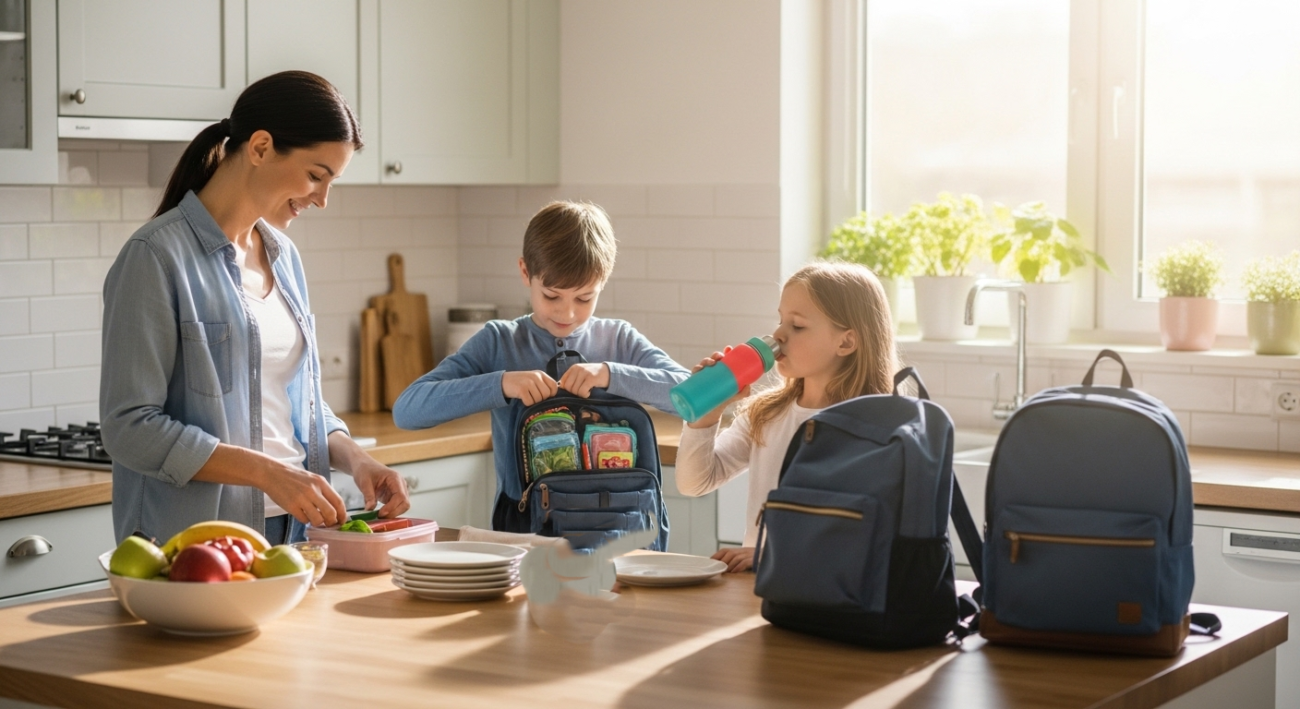
Pre-school mornings and the ensuing chaos is a familiar problem to many families but a well thought-out schedule can help both parents and children to become significantly less stressed. The studies in child development have demonstrated that foreseeable habits enhance collaboration, time management as well as emotion control. With planning and creating consistent morning systems, families can create rushed and tense mornings to be transformed into calmer and more productive ones creating a positive atmosphere for the whole school day.
Prepare the Night Before

The best stress relieving habit that can be adopted is one that is done prior to the morning. Pre-packing the clothes, backpacks, signing permission forms and making lunches the previous night. This eliminates decision fatigue and last minute scramble. Visual preparation also works to the advantage of the children, since when they see everything is prepared they reduce the anxiety. A half-hour or even ten minutes of evening planning allows erasing several conflicts and lost things in the mornings.
Set a Consistent Wake-Up Time

Children thrive on routine. Setting a set wake-up time, even on weekends with minor modifications will assist in getting control over their internal clock. Coherence enhances mood, concentration and the level of energy. The mornings will be predictable and not hectic when children get up at the same time every day. The reduction of the fights to get out of bed also helps parents to have an easier rhythm in their houses.
Wake Up Before the Kids

Lower stress levels are reported by parents who usually wake up 15-30 minutes before others. This silent period gives time to coffee, light stretching, prayer or just simply making plans about the day. Beginning with relaxation assists the parents to react instead of acting. When the adults are centered the children are likely to emulate this stability and therefore cooperation is highly likely during the morning routine.
Use Visual Checklists
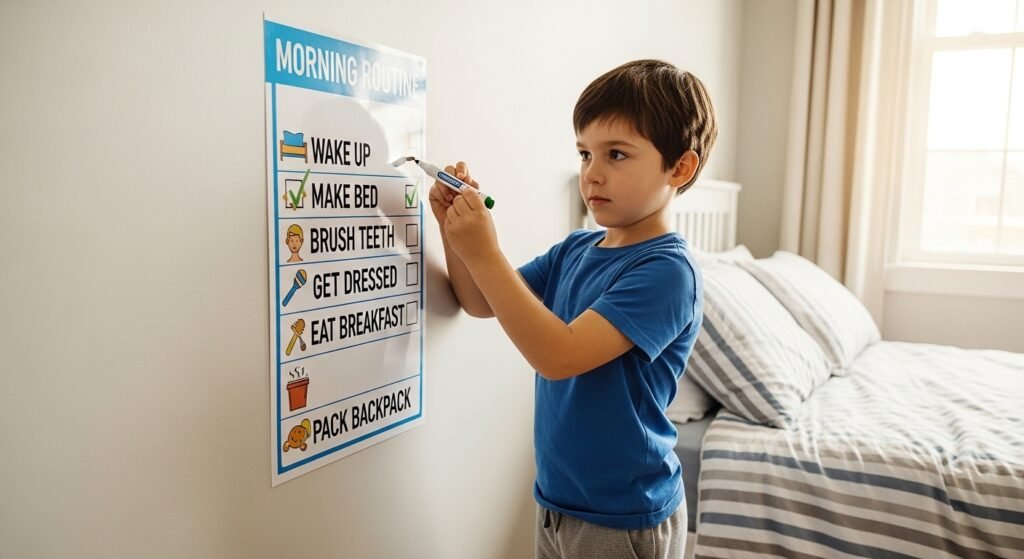
Children below 12 years of age are particularly good receivers of visual messages. A basic diagram with steps, such as brushing teeth, get dressed and packing lunch makes someone want to do it independently. Parents may also refer children to the checklist, as opposed to verbal reminders being given at all times. This decreases the nagging and responsibility is developed. With time, the order becomes established in the minds of children and mornings become more routine and less parent-prompted.
Create a Launch Pad Area

Assign a particular area close to the door to the backpacks, shoes, water bottles, and jackets. This launch pad helps to avoid panic searching in the time when one has to go. Experts in organizations suggest that it should always be the same way so that children are not confused about where to put and take their things. When there is a house to call home, leaving will be faster and much less disorganized.
Build in Buffer Time
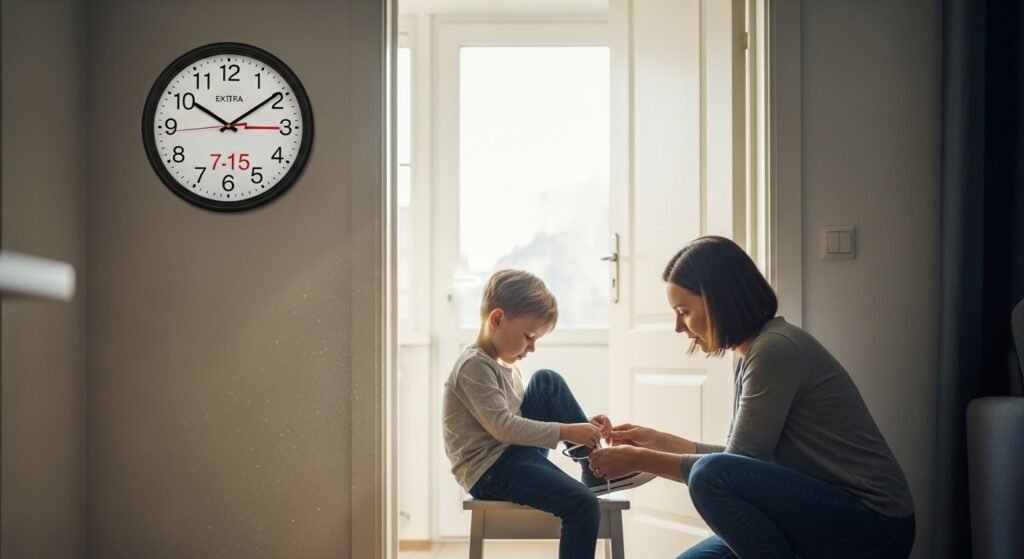
Arrange to be at least 10-15 minutes early before you are forced to leave. Sudden delays are the order of the day: lost socks, bathroom breaks, or traffic. These minor troubles do not end up in panic due to the buffer time. Family stress levels go down to zero when no one is in a hurry. Early leavers are also time management models and responsible to children.
Propose Aging Independence

Even young children are able to do some tasks. Preschoolers will be able to wear shoes, elementary students will be able to pack their homework, and students of higher ages will learn to make simple breakfasts. Responsibility is gradually enhanced as it builds confidence and decreases the workload of parents. Specific expectations also allow the children to feel competent instead of being micro-managed and enhance cooperation and minimize the morning power struggles.
End with a Positive Ritual
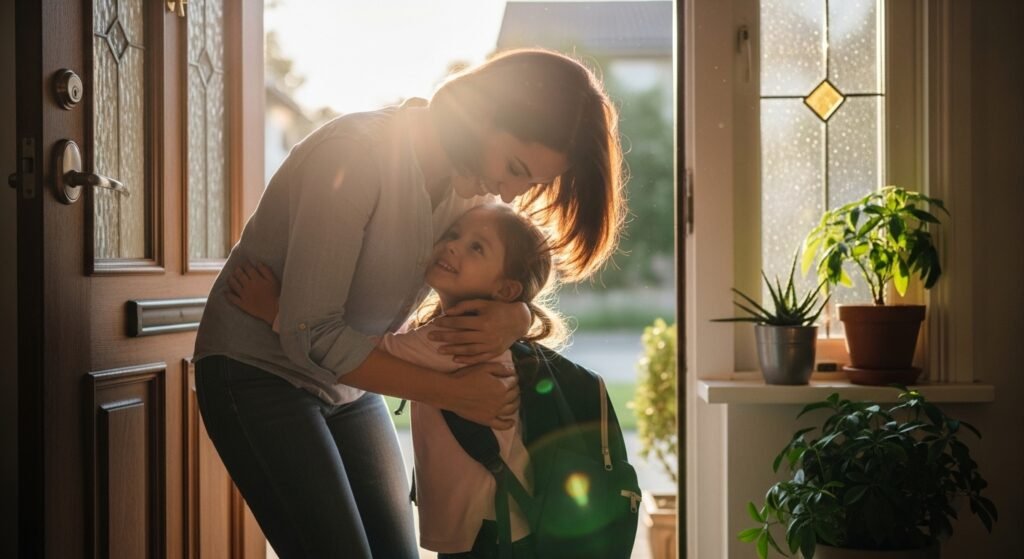
Emotional security is produced by a brief embrace, supportive words or even a wish of a great day. According to studies conducted on family psychology, there is an indication that mood and behavior could be enhanced during the day due to positive parent-child relationships prior to school. Even in the mad morning, a little time to bond experiences foster relationships and children walk away knowing that they are not pressed.
