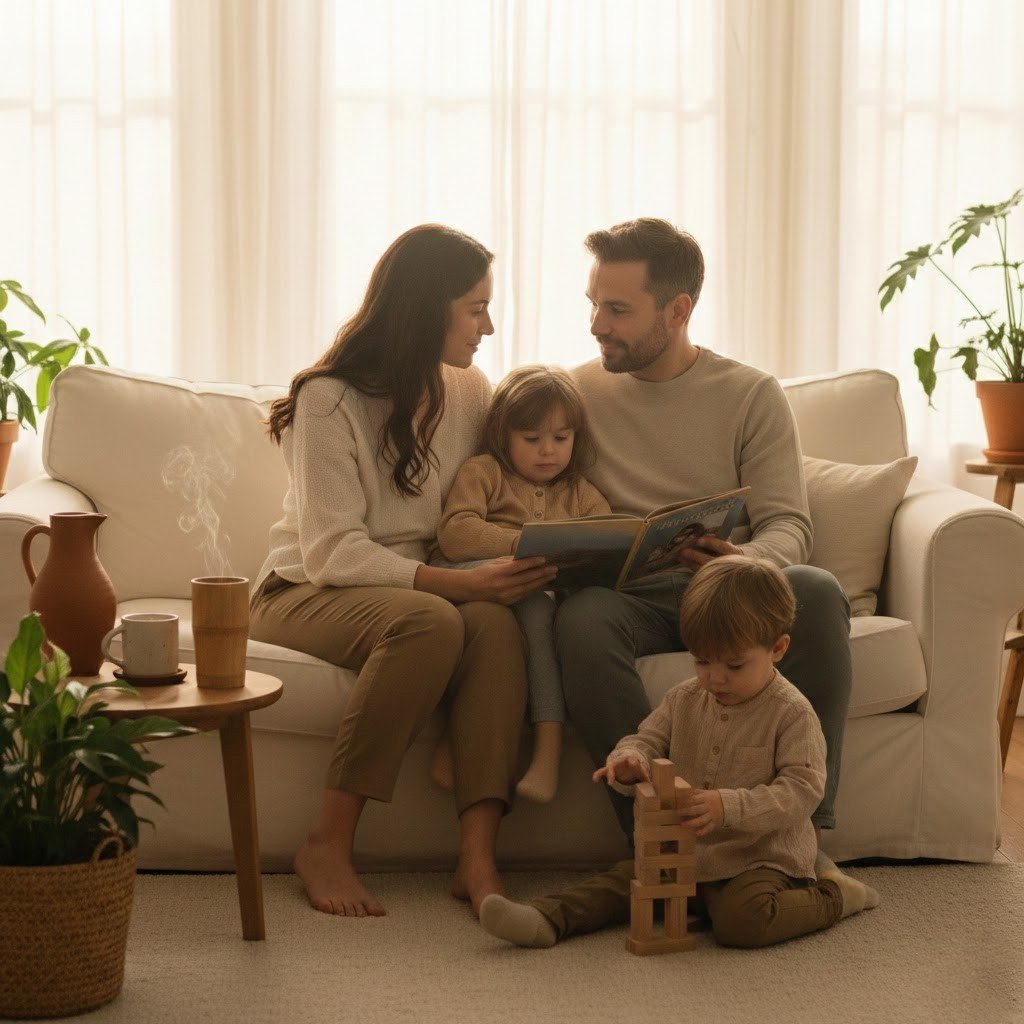
The big moments cannot just make children happy; it could be a little daily moment. Family routine, simple talks and even the manner of resolving an issue can affect the outlook of children concerning themselves and the world they live in without uttering a single word. Parenting does not have a definite template, and what a particular family uses may not be similar to another family. Nevertheless, it is possible to observe the traits and the behavior of children in such families, where children do not feel fear or insecurity, but rather they feel safe, comfortable, and stable emotionally. The mentioned characteristics do not assume strictness or excessive generosity; however, they lean toward the establishment of the environment in which children will be able to feel safe, comprehended, and free to evolve in their own way.
Being listeners without dismissing feelings

Listening to the feelings of a child even when they are little will make the child feel that they are heard. This can be built up as trust and make them express ideas rather than holding everything in.
Establish clear but gentle boundaries
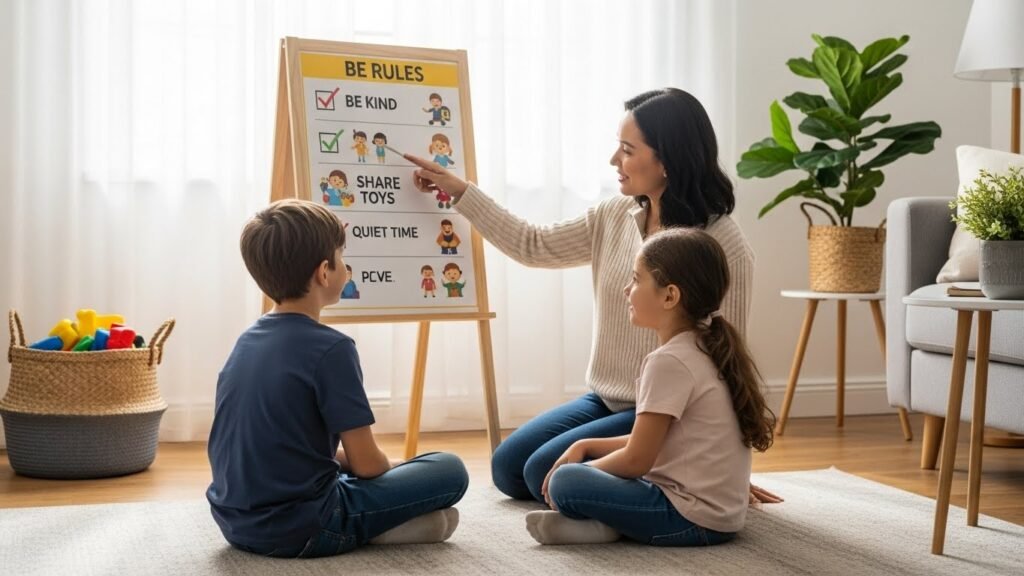
Having regulations and justifying the reasons can produce order without intimidation. Such a balance can assist children to feel safe, as well as understand how decisions influence results.
Allow children to express opinions
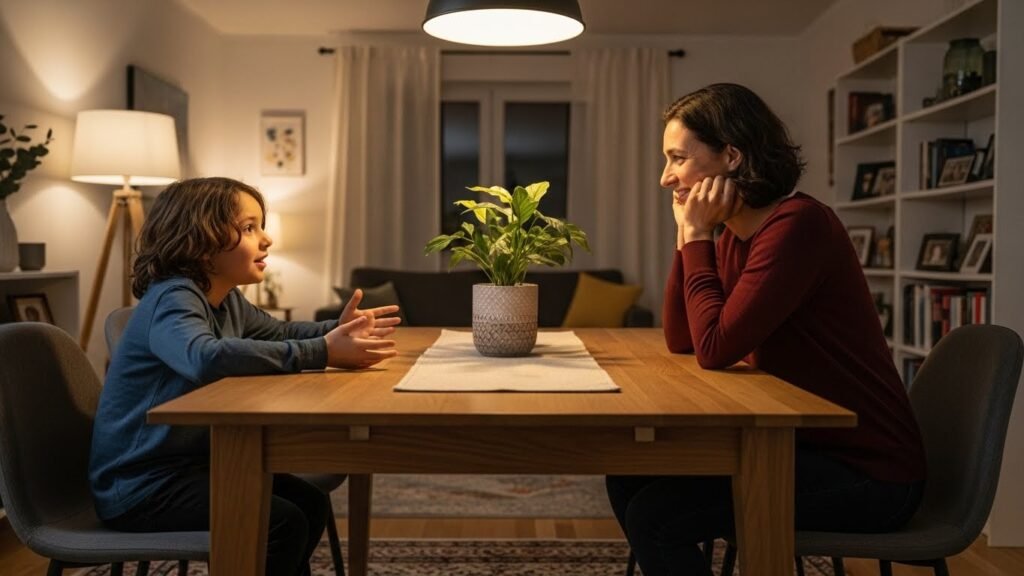
Confidence can be created by allowing children to express their thoughts. The perception of being listened to can motivate them to express themselves in a respectful manner and have confidence in their personal thoughts in real-life scenarios.
Remain composed at hard times
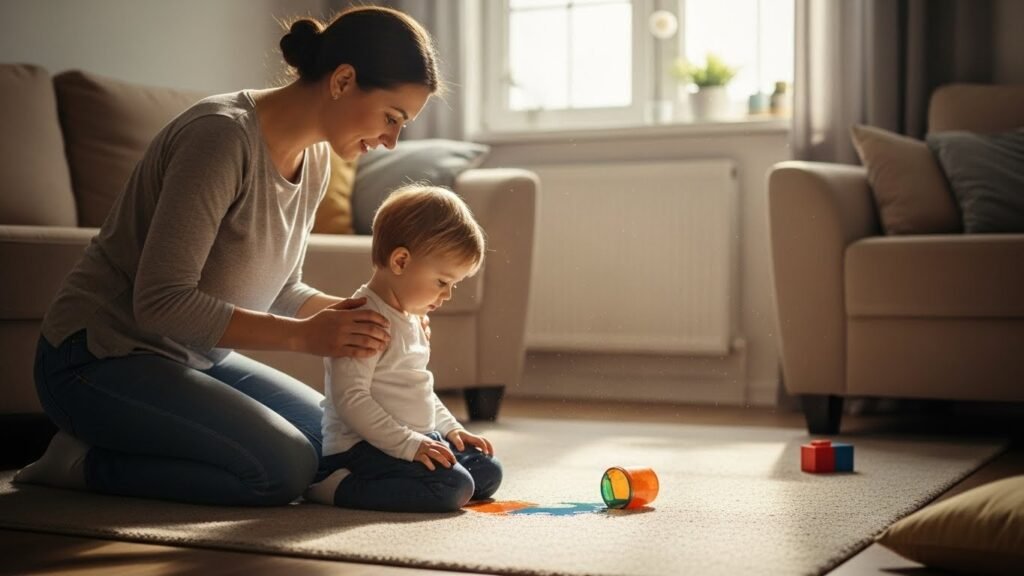
Being patient, rather than getting angry fast, can be used to influence children in their learning to deal with stress. Composure can teach the learner that issues can be managed without panicking.
Favor efforts over performance

Children can enjoy learning by praising hard work as opposed to only success. The given emphasis can help avoid fear of errors and encourage the ability to recover after failure.
Support independence

The confidence can be developed by letting children experiment on their own and being available to assist them. This equilibrium could assist children to feel confident in their skills without being lonely.
Keeping realistic expectations

Given the realization that children do not grow at an equal pace, pressure can be alleviated. The strategy can make children feel that they are accepted rather than in a comparative state all the time.
Celebrates little things

The observation of small accomplishments or joyful moments may develop positive memories. Such minute festivals could make the children feel valued as they are.
Stay emotionally available

It may not seem to make much difference to children, but their presence, even on their busy days, can help a lot. Being aware that they have someone standing beside them might make them feel safe and protected in confronting problems.
