
Parenting may be experienced as a burden at times but even little habits that are practiced in small steps can be so immense in bringing up happy and confident children. The Fishfam shows that with simple daily routines, positive reinforcement, and interactive guidance, kids feel secure and loved. Parents can enjoy calmer mornings, smoother afternoons, and less stress overall. Minor movements such as allowing children to make small decisions or even reading together even have a long impact on responsibility and confidence. The families make a positive environment by attaining practical habits that support children to grow and prosper.
Encourage Independence
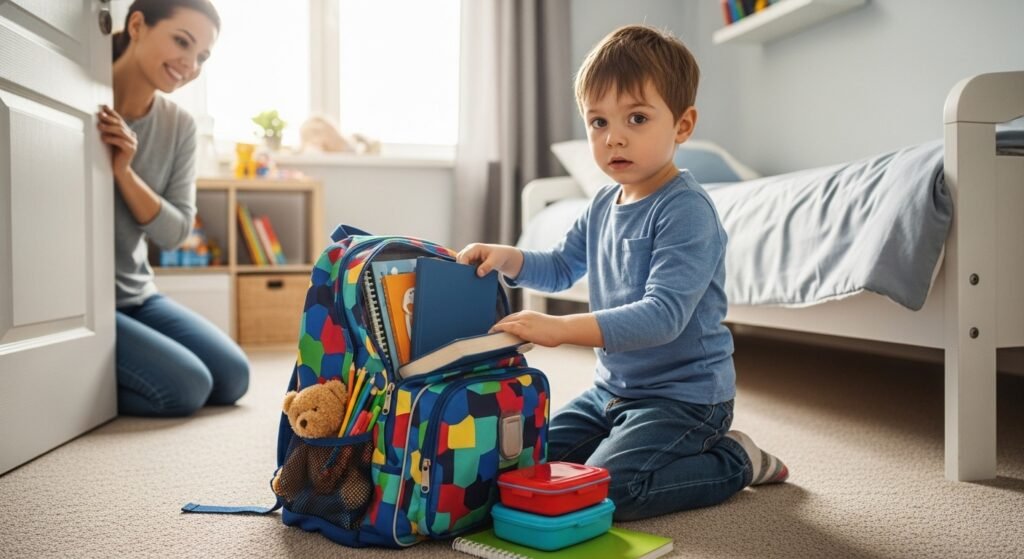
Let children do activities such as packing the backpacks, setting a table, or arranging the toys. Assuming responsibilities helps children to grow self-reliant, build confidence and sustain a feeling of achievement. With time, they come to realize that their input is appreciated and rewarding to the family and develop a base of self-reliance which helps in their daily life.
Praise Effort, Not Just Results

Rewarding kids for difficult work results in perseverance. Even the smallest accomplishment creates self-esteem and motivation through positive feedback. Putting together a homework task or doing housework, rewarding their effort is a way to let kids understand it’s important to work hard even after failures, and this will enhance the parent child relationship.
Keep Consistent Routines
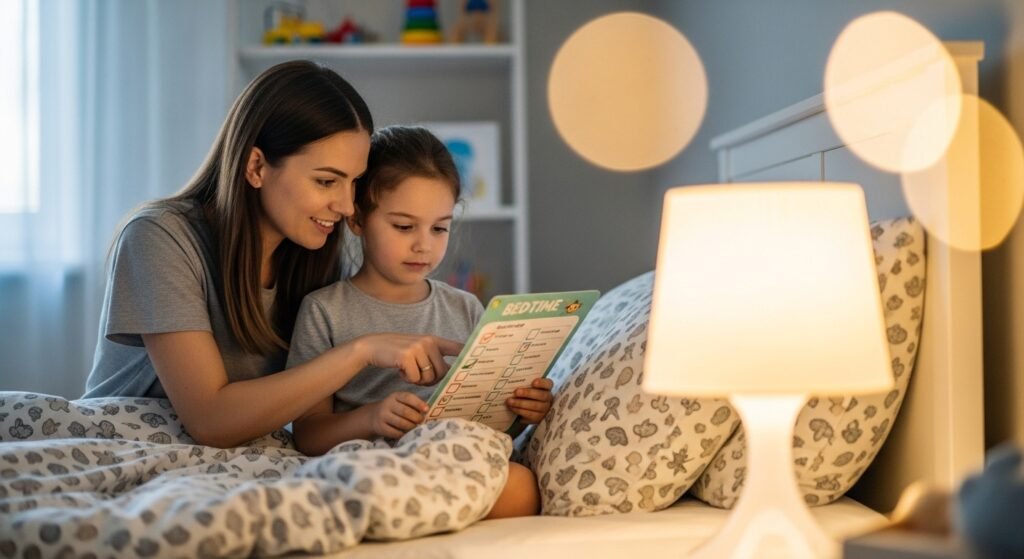
Meal schedules, homework and bedtime schedules are part of a consistent routine. Uniformity brings a sense of safety for children and lessens the anxiety. Regular schedules also enable them to be responsible and time conscious. Even basic everyday habits such as a morning checklist or a night-time routine can make them feel safe and in balance.
Listen Actively

Children should be listened to without breaking their conversation. Active listening will help children feel accepted and learn the art of communication. Parents may demonstrate empathy, patience and understanding, which makes children speak out in an authoritative and respectful manner.
Encourage Creative Play
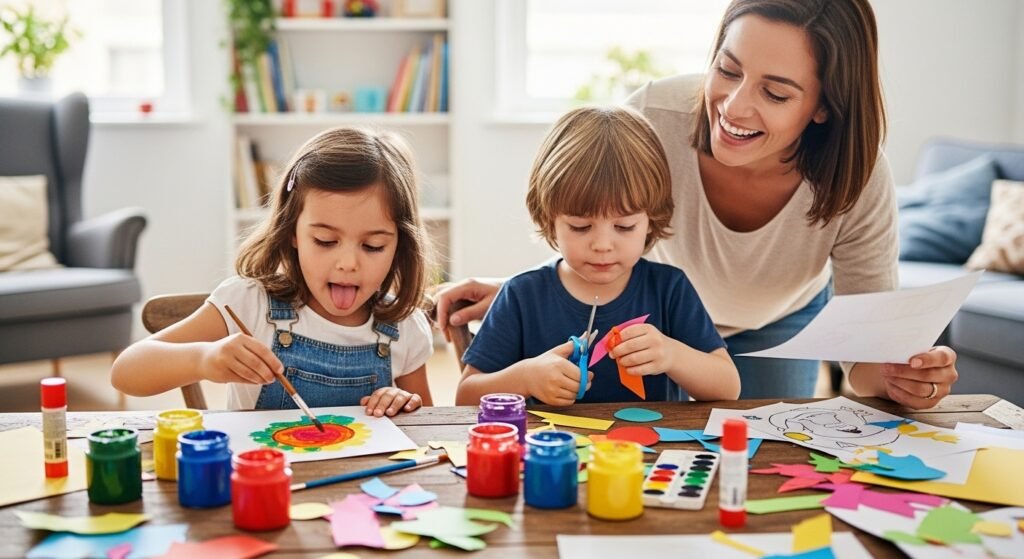
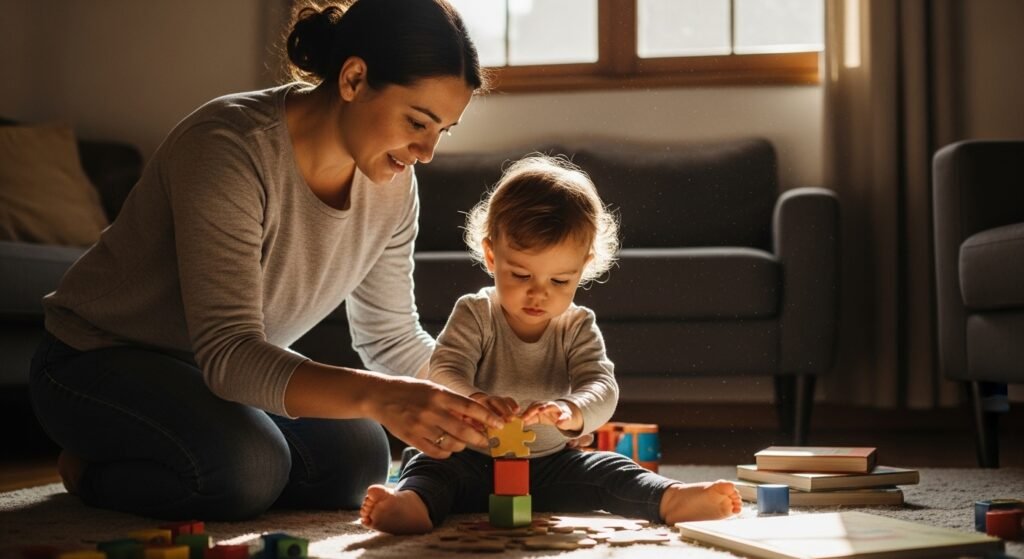
Give a chance to arts, craft or imaginary games. Problem-solving, emotional expression, and independent thinking are developed through creative play. Participating with children in such activities does not just make relationships stronger in the family, but also demonstrates that learning and entertainment are not mutually exclusive.
Teach Problem-Solving Skills

Rather than solving all the problems of your children, teach them to think it through. It can be in terms of choosing what to put on or what to put in a school bag. Letting a kid choose something helps him or her to think critically and make decisions. The practice develops self-confidence and self-reliance in real life.
Daily Reading or Storytime

Read or tell a story (10-15 minutes every day). This enhances imagination, vocabulary and attention power. Parents and children can also connect through reading together which is a soothing and delightful experience and helps to reinforce good habits as well as life long learning.
Encourage Emotional Expression
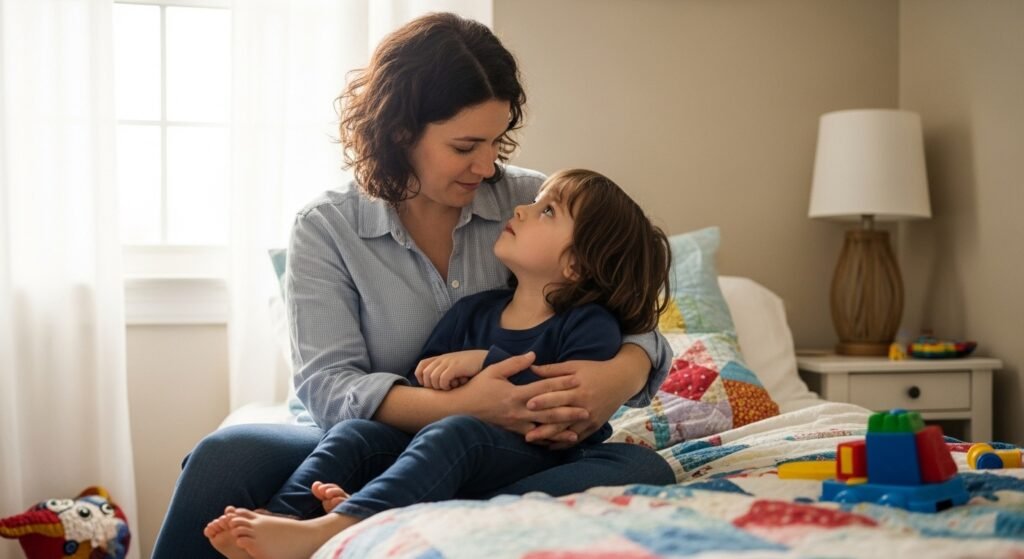
Aid kids in spotting and speaking emotions. Being open with emotions may help children become emphatic, self-conscious, and strong. Emotional awareness modeling helps children to respond to difficulties in a non-hurried way and develop proper interpersonal attitudes.
Quick Family Check-In

A brief daily check-in during which each member of the family gives their report about something good or something worrying them improves the relationships among them. Such instances of connection create a sense of trust, enhance communication, and make the children feel encouraged, which forms a good mood of the day.
Lead by Example
Children learn through observation. Being patient, kind and problem solvers are an ideal example of how to act. The behaviors of parents define the habits, mannerism, and values, which develop a solid foundation on the character development of children.
