
You may not think much about your everyday habits, but they quietly reveal a lot about who you are. The way you start your morning, organize your space, or respond to small disruptions often reflects deeper personality traits. These routines aren’t random; they’re shaped by values, comfort levels, and emotional needs that guide daily behavior.
Your Morning Routine Shows How You Handle Control

People who follow structured morning routines often value predictability and control. Planning ahead provides a sense of stability. Those who prefer flexible mornings tend to be more adaptable and spontaneous, comfortable adjusting to whatever the day brings.
How You Manage Your Time Reflects Your Priorities
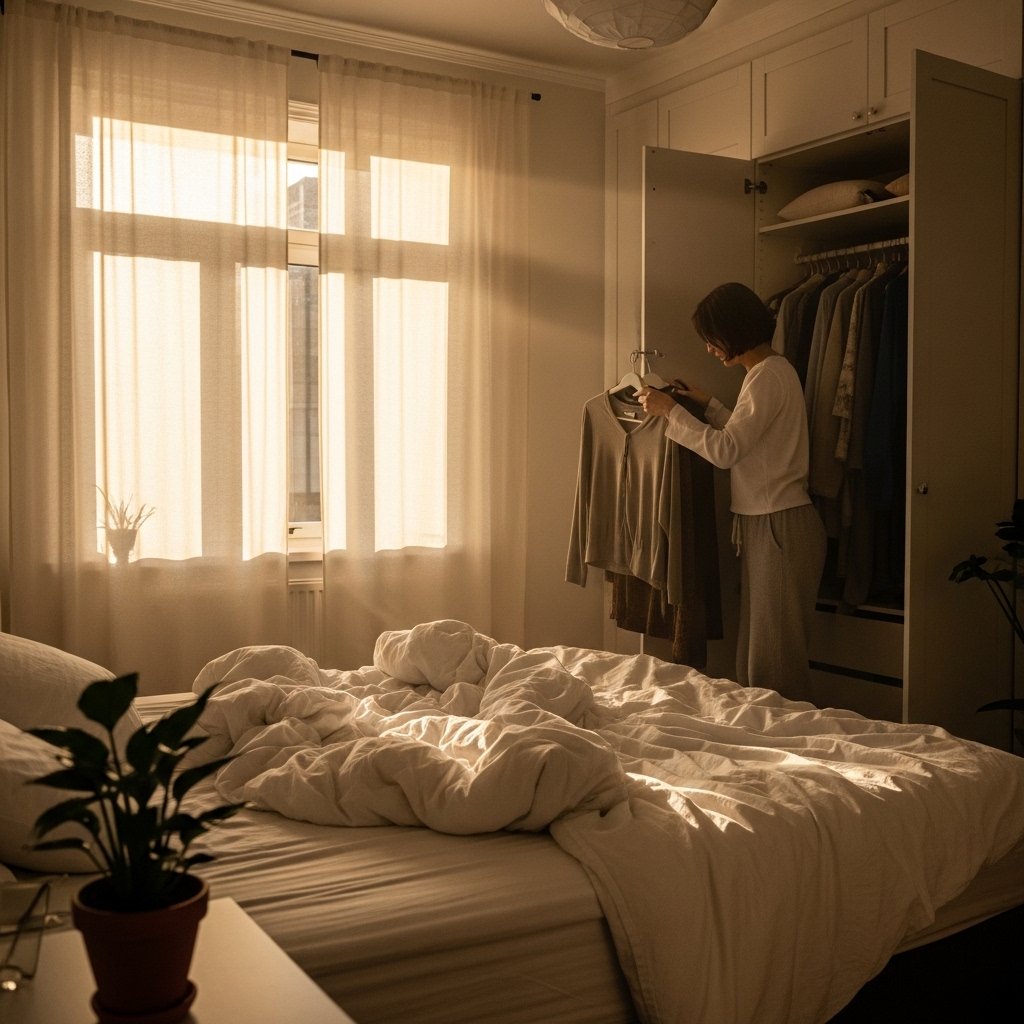
Punctual people usually value responsibility and respect for other’s time. Those who run late may prioritize creativity or connection over schedules. Neither is wrong; it simply shows where your focus naturally lies.
Your Cleaning Style Signals Emotional Needs

A consistently tidy space often reflects a desire for order and mental clarity. Meanwhile, creative messes can signal imagination and deep focus. How you maintain your environment often mirrors how you process stress.
Phone Usage Reflects Social Comfort

Checking your phone frequently can signal a need for connection and reassurance. Those who easily put their phones away often feel comfortable being present. Digital habits often mirror emotional availability and boundaries.
How You React to Interruptions Shows Emotional Regulation

People who stay calm during interruptions usually have strong emotional regulation skills. Quick frustration can reflect stress overload or sensitivity to control. Reactions to small disruptions offer insight into coping styles.
Spending Habits Reveal Values

Careful spenders often value security and planning. Impulsive buyers may prioritize enjoyment and emotional expression. Money habits reflect comfort with risk and future-oriented thinking.
How You Communicate Signals Confidence

Direct communicators often value clarity and honesty. Those who soften messages may prioritise harmony and emotional safety. Communication habits reveal how you balance self-expression and connection.
Your Response to Alone Time Shows Energy Style

Those who enjoy solitude often recharge internally. People who seek company may gain energy from interaction. Alone-time habits reveal where you draw emotional fuel.
Handling Change Reflects Adaptability

People who embrace change often enjoy growth and uncertainty. Those who resist change may value stability and familiarity. Everyday reactions to change reveal flexibility levels.
