
Getting kids to sleep well isn’t just about bedtime, it’s about what happens in the hour leading up to it. Many sleep struggles come from overstimulation, inconsistent routines, or emotional restlessness rather than actual resistance to sleep. Simple, predictable habits can help children feel safe, relaxed, and ready to rest, making bedtime smoother for the whole family.
Keep Bedtime Consistent

Children’s bodies thrive on routine. Going to bed at the same time every night helps regulate their internal clock. Even on weekends, keeping bedtime within a small window helps kids sleep faster and wake up more rested.
Create a Calm Wind-Down Routine
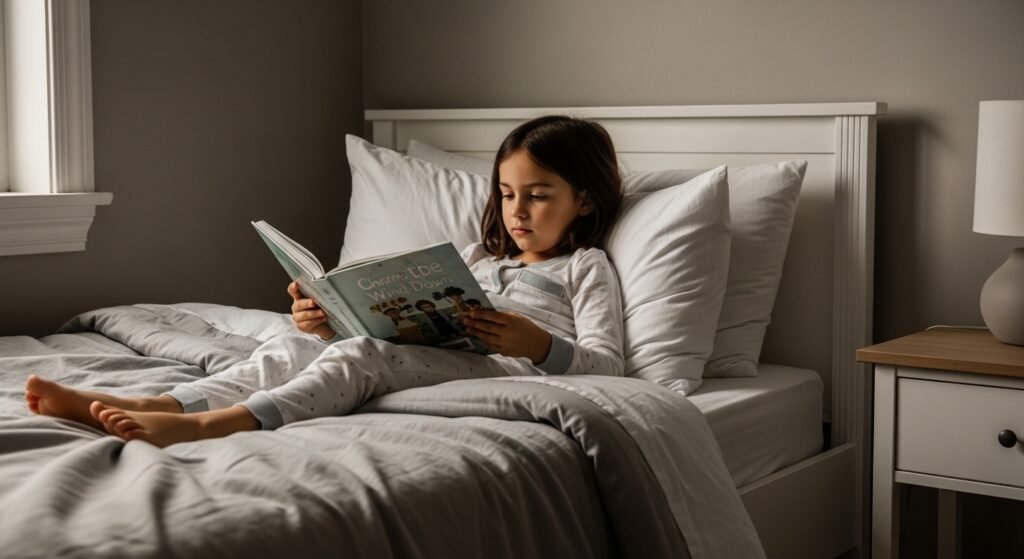
A predictable sequence of calming activities signals the brain that sleep is coming. This might include bathing, changing into pajamas, brushing teeth, and reading a book.
Limit Screen Time Before Bed

Screen stimulates the brain and suppresses melatonin, the sleep hormone. Turning off screens at least one hour before bed helps kids relax naturally. Replacing screens with quiet activities makes the transition to sleep better.
Use Soft Lighting in the Evening
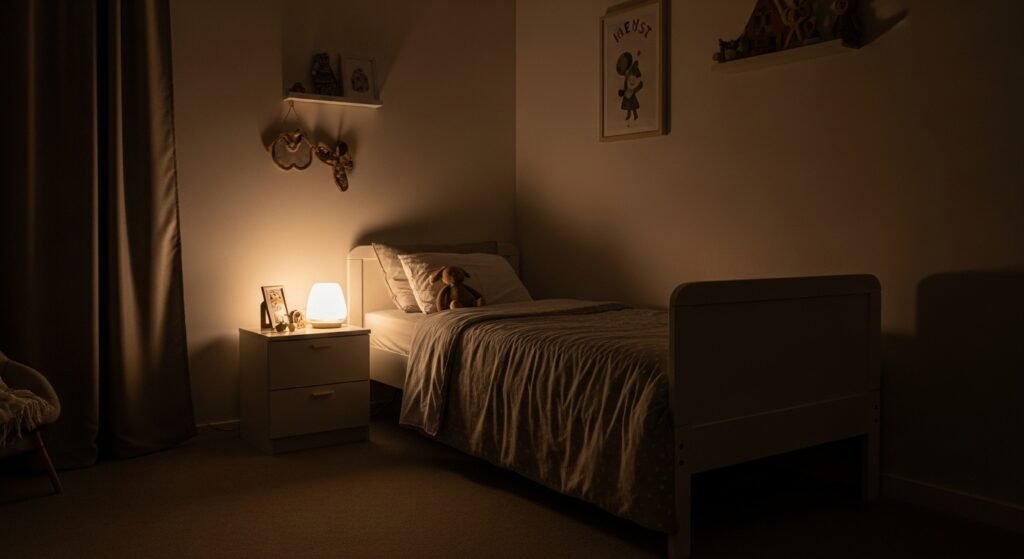
Bright light tells the bain that it is day time. Switching to warm, dim lighting in the evening helps signal bed time. Soft lamps or night lights create a soothing atmosphere that encourages relaxation.
Read Together Every Night
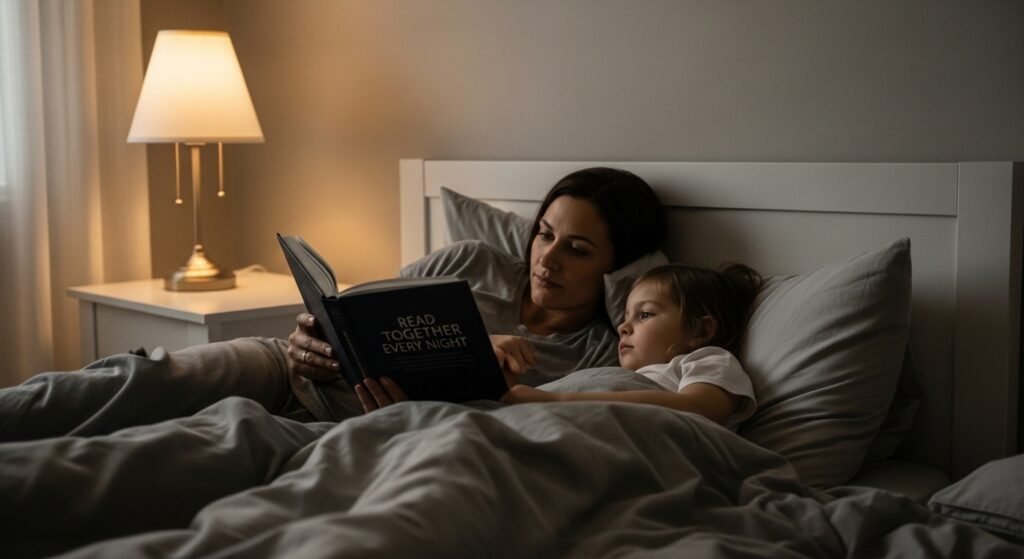
Reading aloud helps slow breathing and calm the nervous system. It also creates a sense of closeness and security. Familiar stories can be specially comforting abd help kids mentally unwind after a busy day.
Keep the Bedroom Sleep-Friendly
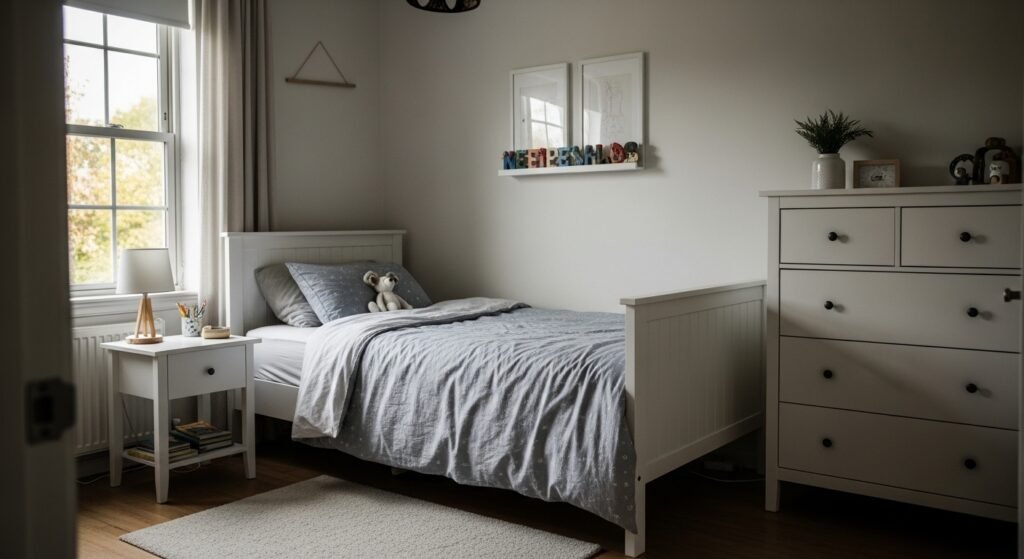
A cool, quiet, and dark bedroom supports better sleep. Comfortable bedding and minimal clutter help reduce distractions. Avoid using the bed for playtime so children associate it with rest.
Encourage Talking Before Lights Out

Some kids struggle to sleep because they’re holding onto the worries. Allowing a few minutes to talk about their day or feelings helps release emotional tension. Feeling heard makes it easier for kids to relax.
Avoid Sugary or Heavy Snacks Late
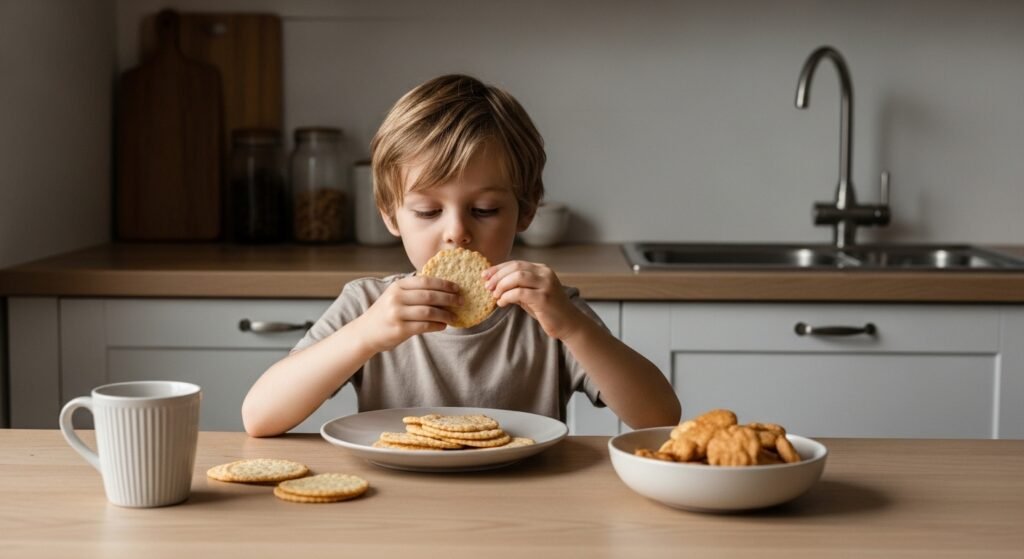
What kids eat close to bedtime affects sleep quality. Sugary snacks can cause energy spikes, while heavy meals may cause discomfort. Light snacks like fruit, yogurt, or warm milk are better options.
Use Gentle Music or White Noise
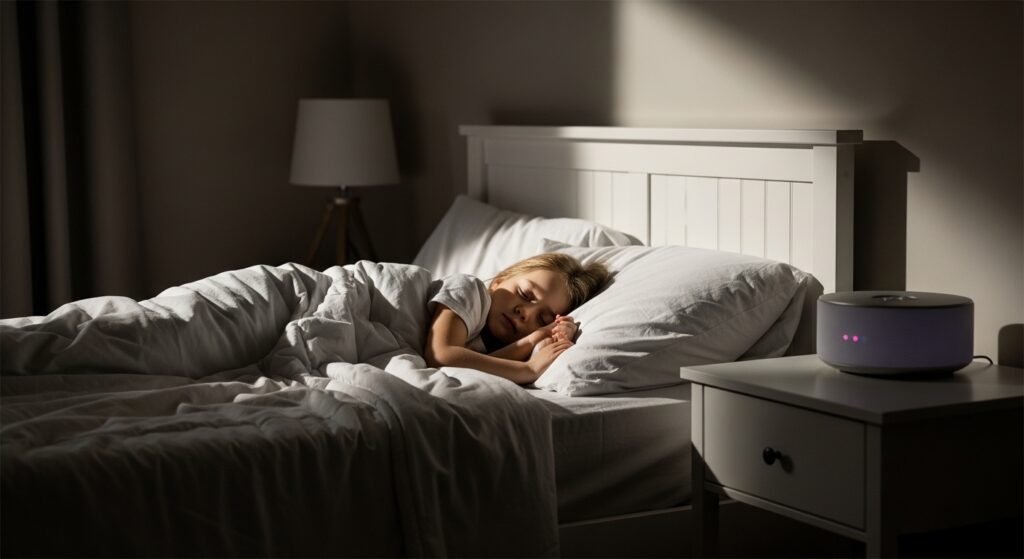
Soft sounds can help block out background noise and create a consistent sleep environment. White noise or calming music can be especially helpful for kids who are sensitive to sound or easily distracted.
Teach Simple Relaxation Techniques

Deep breathing, gentle stretching, or imagining a peaceful place can help kids calm their bodies. These techniques empower children to manage restlessness and feel more in control of falling asleep.
Stay Calm and Patient

Children pick up on parental energy. Staying calm during bedtime even when kids resist, helps prevent power struggles. A gentle, reassuring presence makes bedtime feel safe rather than stressful.
