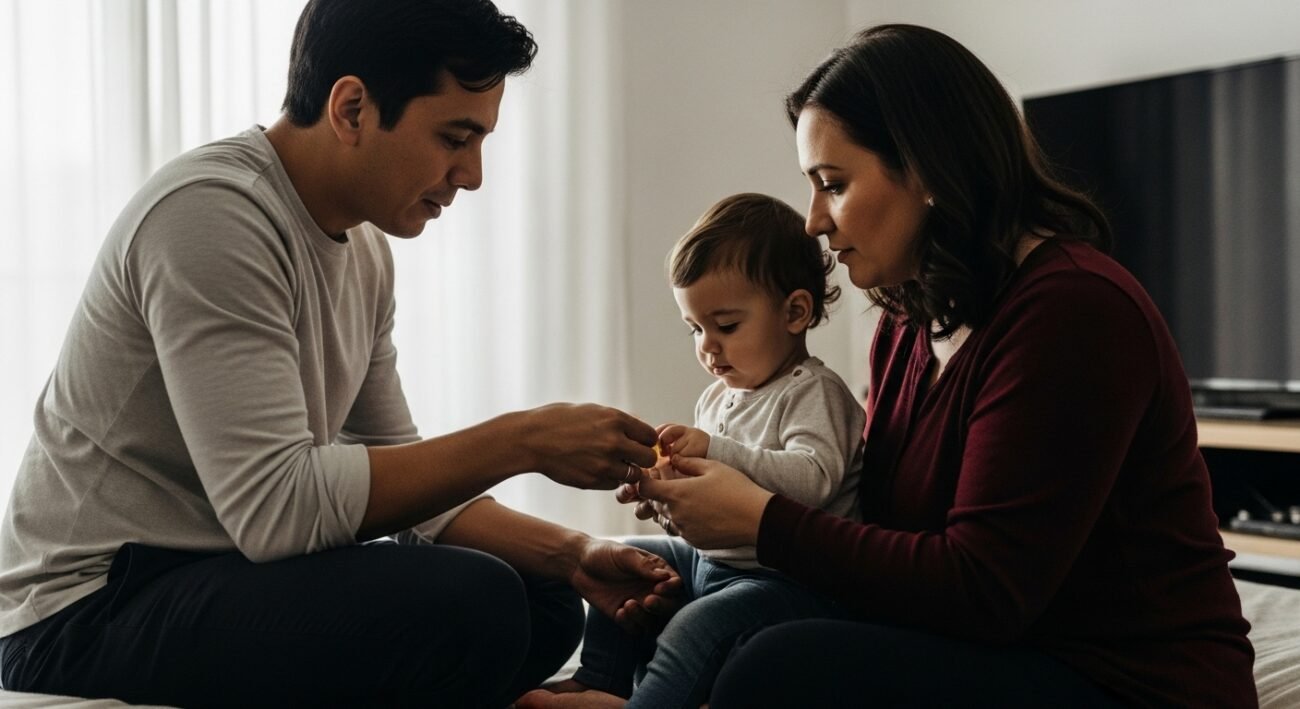
Children learn far more from what parents do than what they say. Everyday actions, reactions, and routines quietly shape a child’s behaviour. Many habits seem too small to matter, but kids observe them closely and often mirror them without anyone noticing. These subtle patterns can influence how children think, communicate, and respond to the world.
Tone of Voice in Daily Conversations
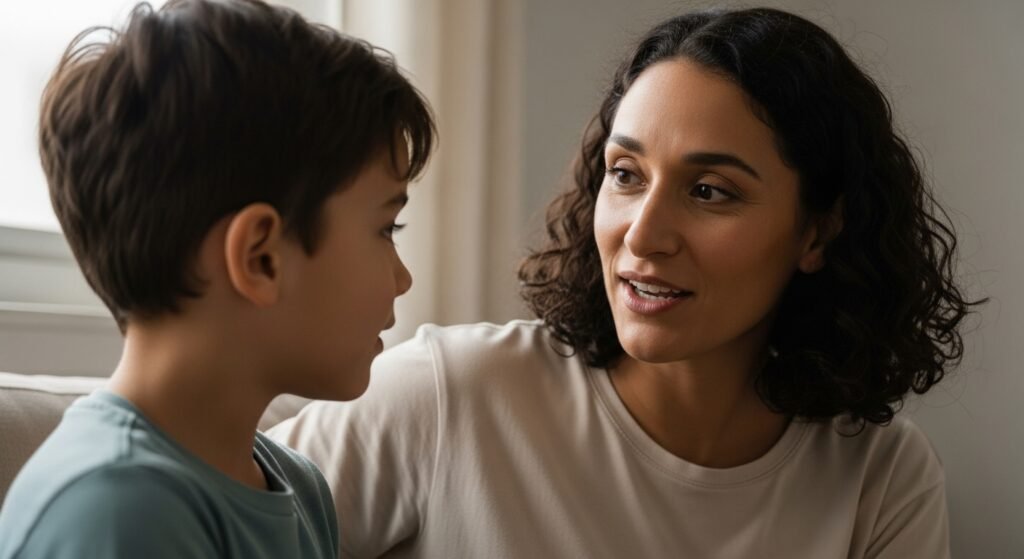
Kids quickly pick up on how parents speak to others. Whether it’s calm, impatient, or kind, the tone becomes familiar. Children often copy this same tone when talking to siblings, friends, or even teachers.
How Parents Handle Stress

When parents respond to stress with anger, silence, or calm problem-solving, kids absorb those reactions. They learn whether stress is something to fear or manage. Over time, thai shapes how children handle pressure themselves.
Phone and Screen Habits
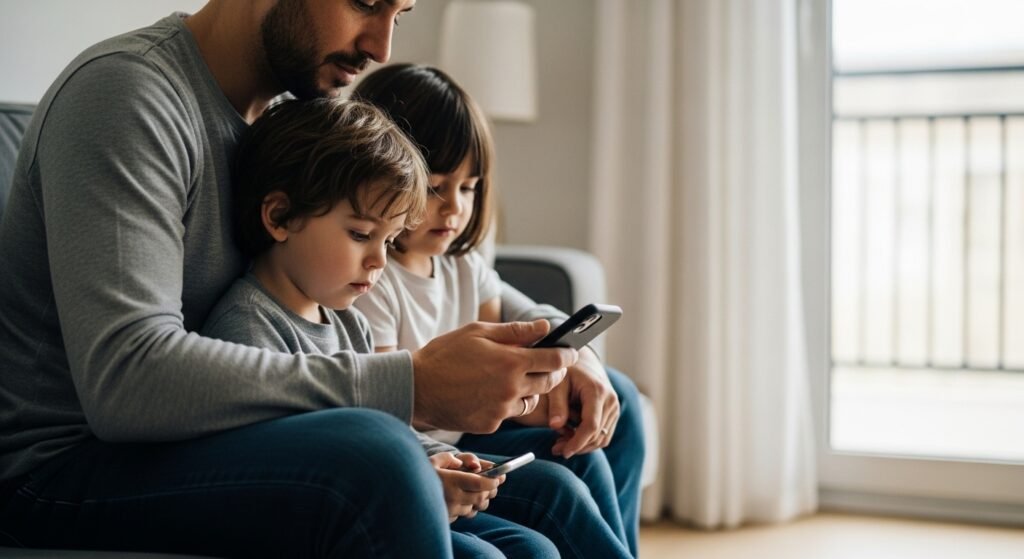
Children notice how often parents check their phones. Constant scrolling teaches kids that screens deserve attention, even during conversations. Parent’s digital habits strongly influence how children value face-to-face interaction.
Eating and Snacking Patterns
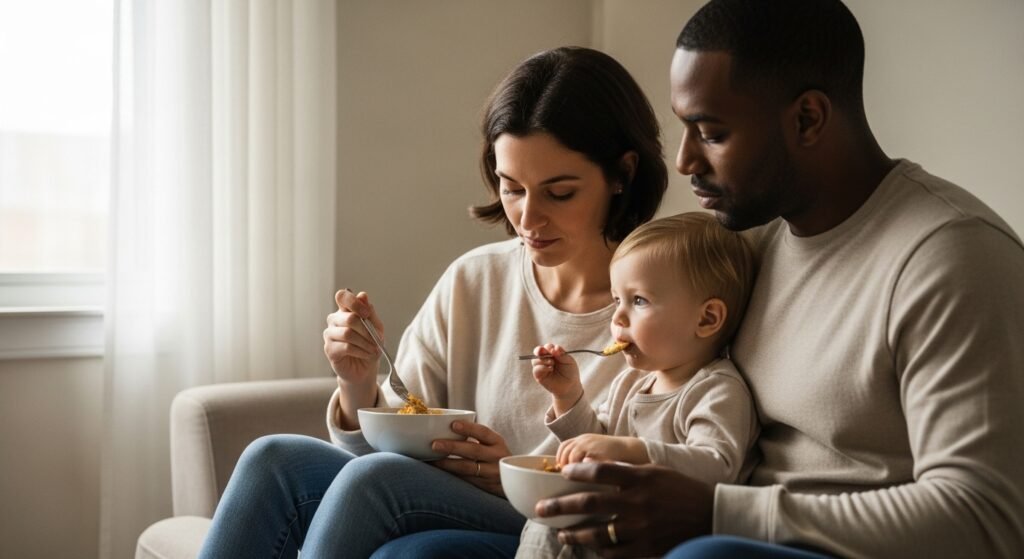
Kids mirror how parents eat, not just what they eat. Skipping meals, emotional eating, or mindful eating all leave an impression. These habits can influence a child’s long-term relationship with food.
How Parents Talk About Themselves
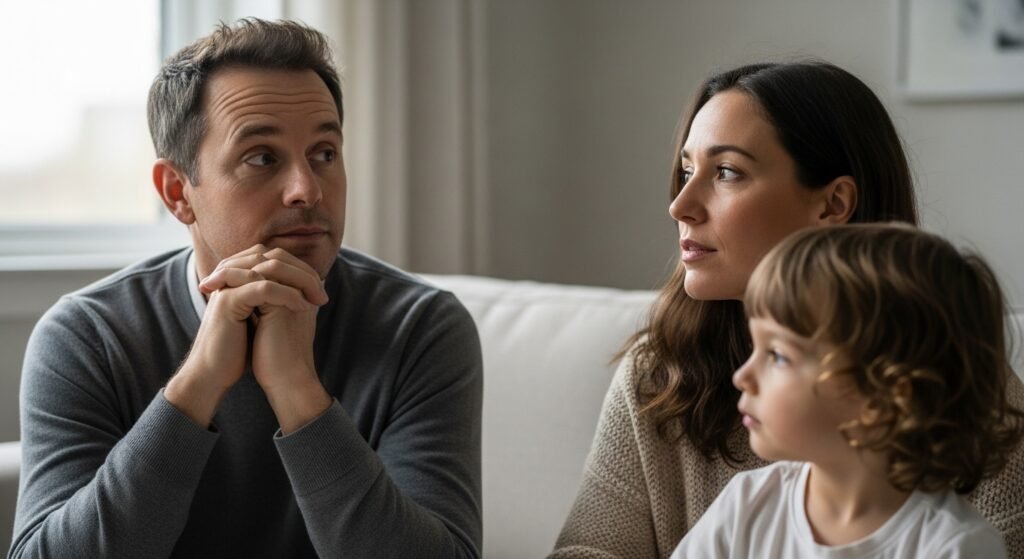
Self-criticism spoken out loud affects children deeply. When parents comment negatively about their bodies or abilities, kids learn to judge themselves similarly. Positive self-talk encourages confidence and self-acceptance.
Manners and Daily Courtesy
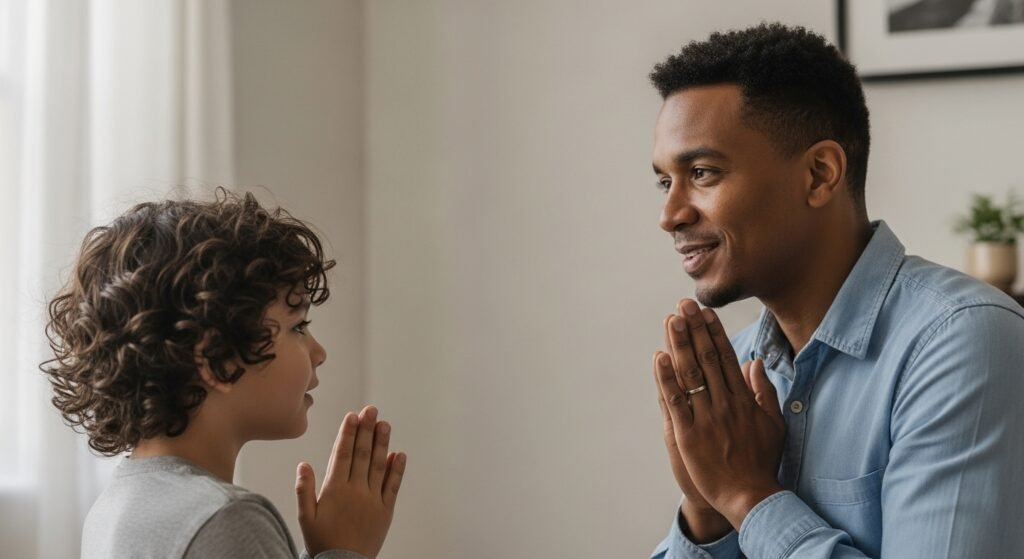
Simple actions like “thank you”, holding doors, or greeting people politely are easily copied. Kids naturally initiate these behaviors and carry them into school and social settings without being taught directly.
Listening Without Interrupting
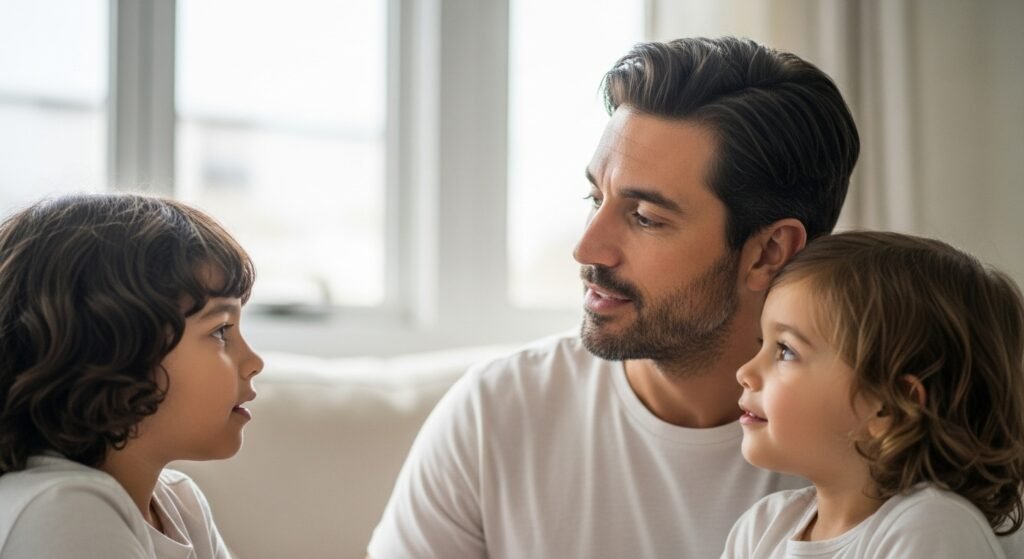
When parents listen attentively without interrupting, children learn respect and patience. If interruptions are common, kids may repeat the same behavior. Listening habits often from at home before anywhere else.
Reactions to Mistakes
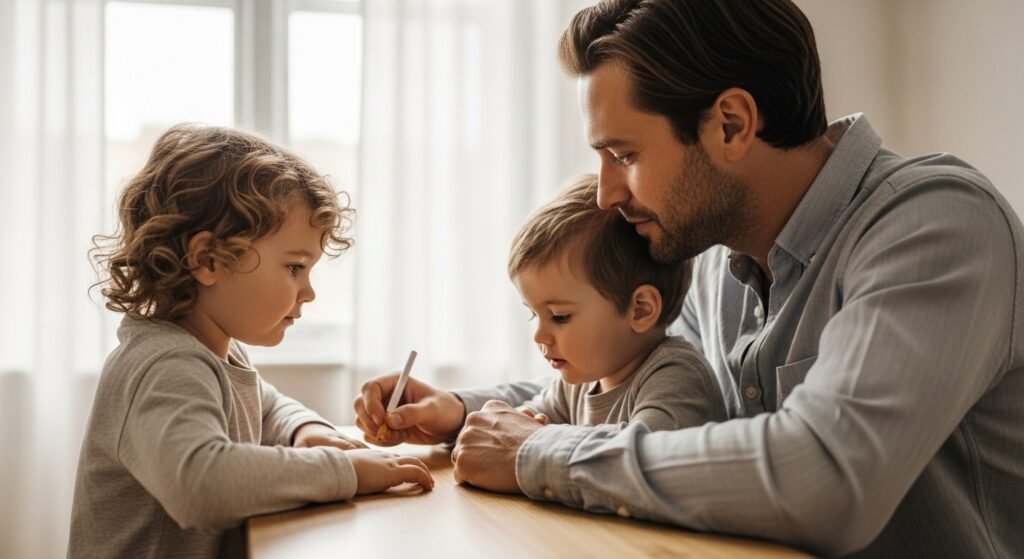
Children watch how parents respond to errors. Getting upset over small mistakes teaches fear of failure. Showing patience and learning from errors helps kids build resilience and confidence.
How Parents Treat Others
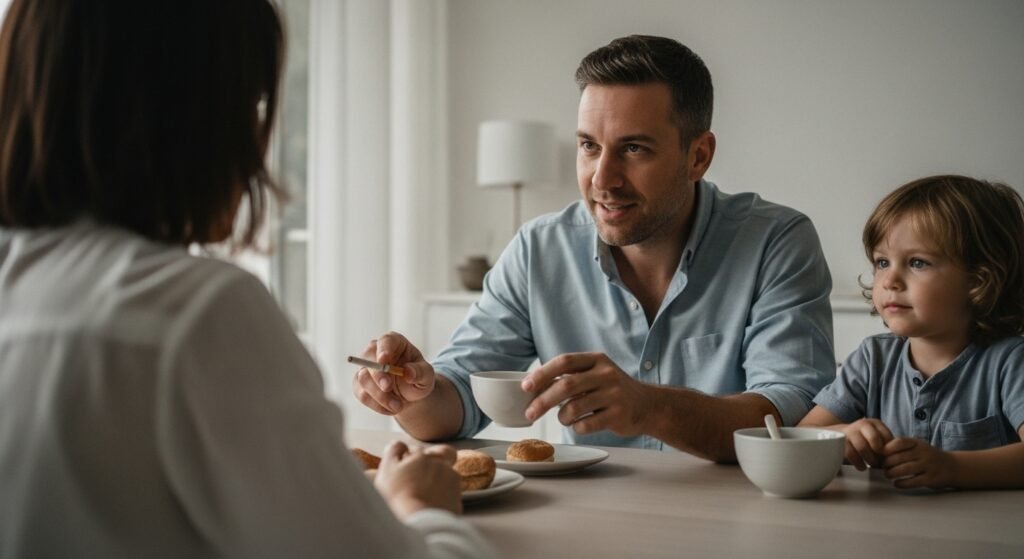
Kindness, empathy, and respect toward others leave a lasting impact. Children reflect how parents treat service workers, relatives, and strangers. These small interactions teach kids how to behave in the wider world.
