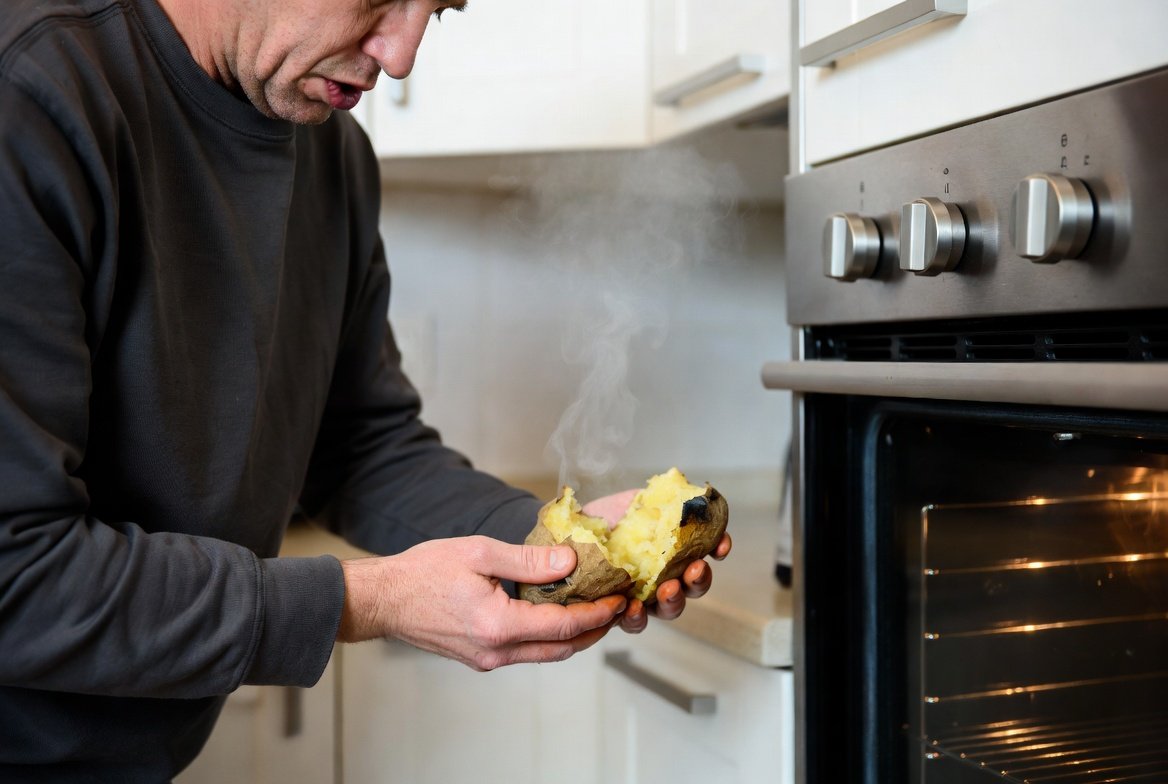
Peeling a baked potato might surprise you with disappointment. Even if it seems appealing at first glance, what waits beneath could be soggy texture or pale color. Few notice how small mistakes during routine steps can damage food far more than poor ingredients or wrong techniques.
Wrapping Potatoes in Foil Traps Moisture
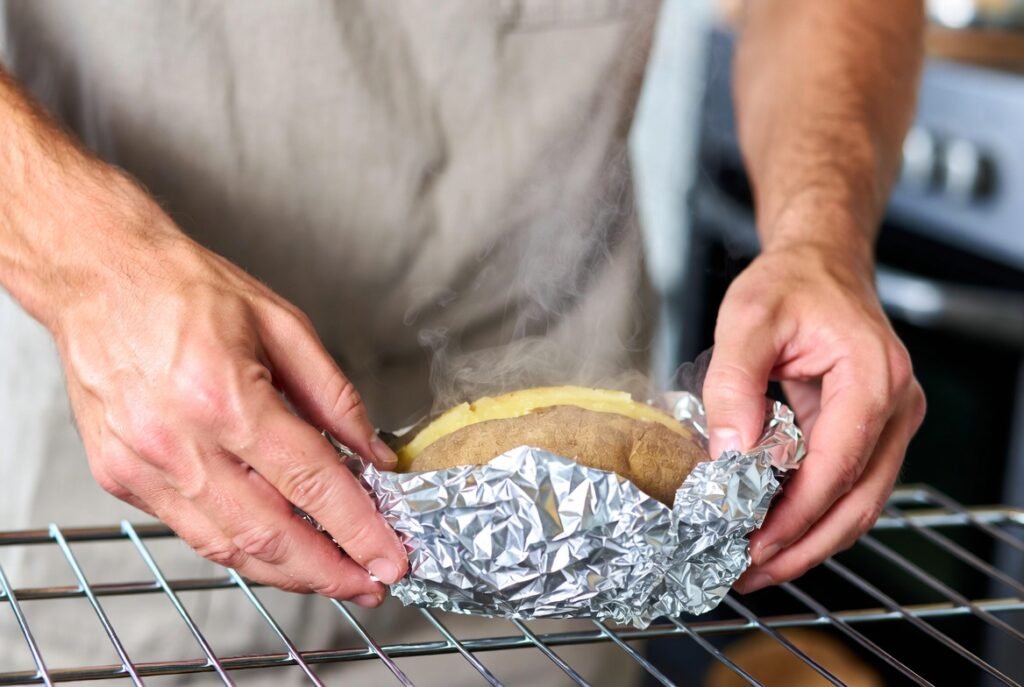
Tightly wrapped potatoes in foil are where the real problems start. When covered, steam cannot escape; it builds up instead. Cooking shifts too, roasting losing out to steamed texture. Heat changes quietly because moisture locks in without breaking through. Fog clings to the skin, yet inside, the center grows heavy with dampness rather than rising light and crisp.
Crisp Skin Needs Direct Heat Exposure
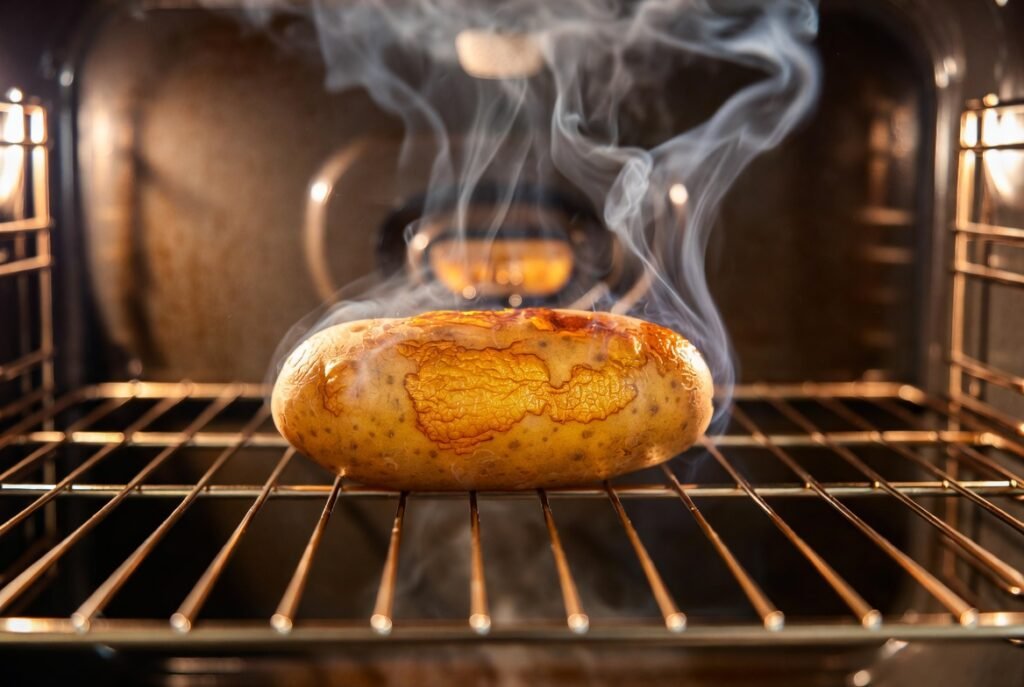
A proper baked potato needs dry heat moving across its surface, especially under the skin. If you cover it with foil, that movement stops – so the skin stays wet instead of cracking. Heat touching every part separately brings out what people expect: a firm edge giving way to softness within.
Steam Changes the Interior Texture
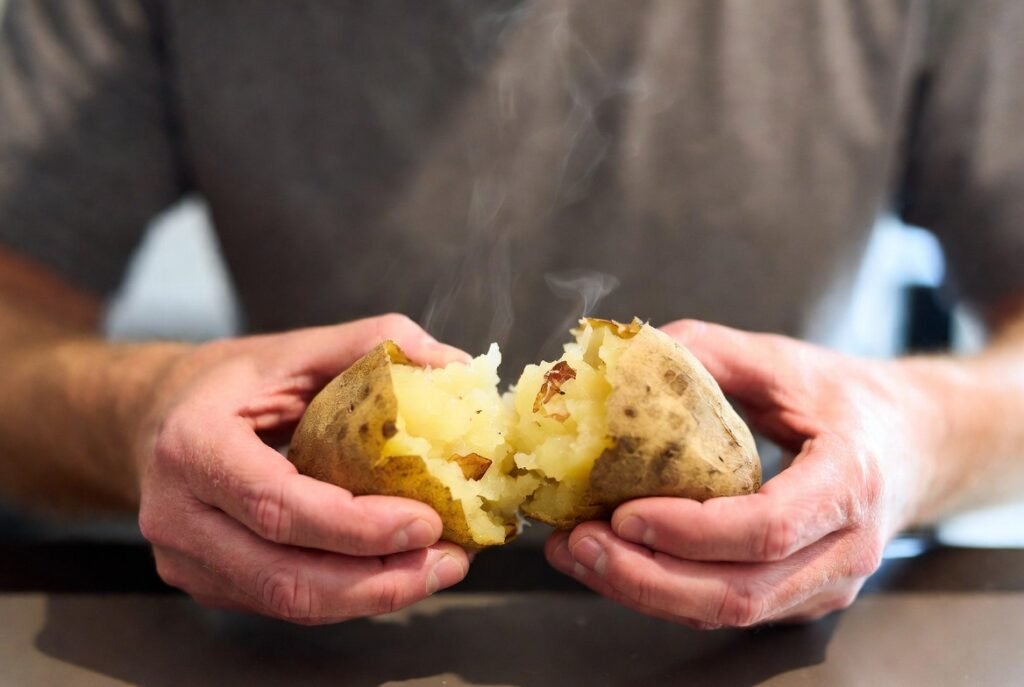
Fog hanging around changes how starch works in the spud. Rather than breaking apart, those bits pack tighter. You get heavy chunks – nothing like what you’d find after roasting. Boiled roots would match better than what comes from baking here.
Flavor Develops Better Without Foil
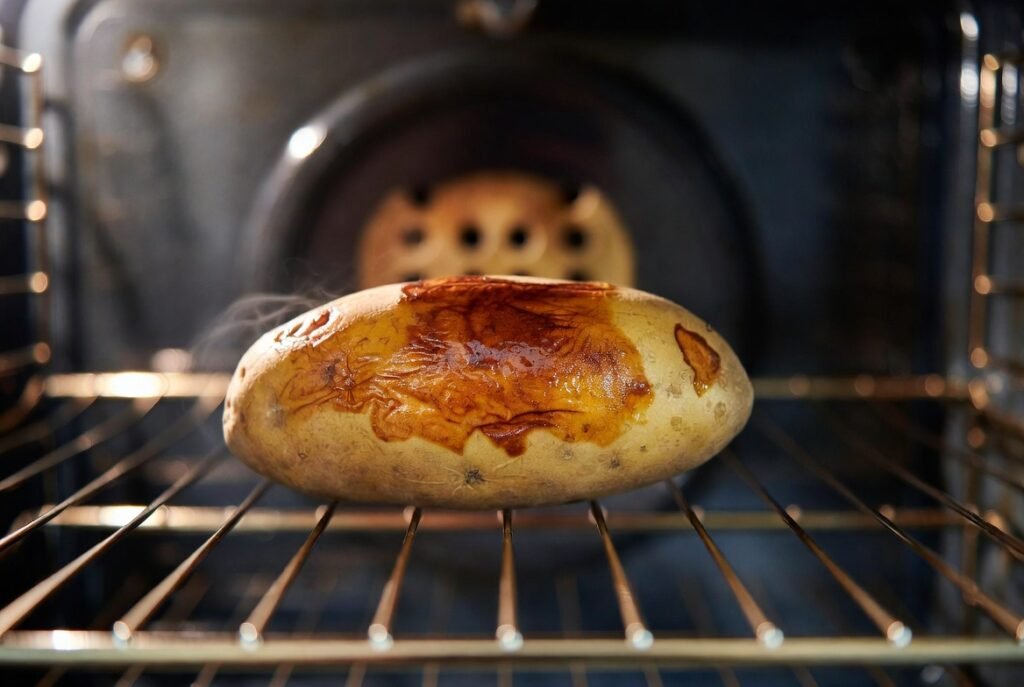
Foods absorb flavor when air circulates during heating. Covering lessens depth since steam washes away sharp notes. Sweetness stays bright under open heat where water doesn’t blur character. Taste grows fuller this way – no need adding extras after.
Oil and Salt Work Best on Bare Skin
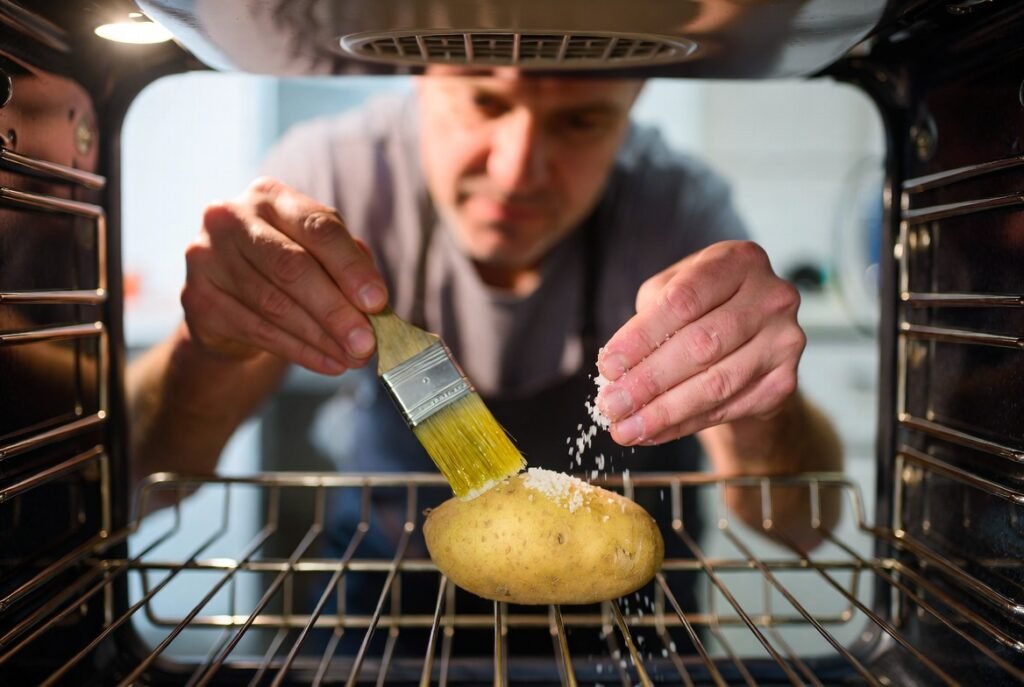
Oil drizzled across a sliced potato gets its best chance when the outside stays open during heating. When wrapped in foil, the slick on cooked bits loses its crunch while salt struggles to do much. Crispy edges happen only if that raw-looking skin remains free to breathe. Without it covering up, both flavor and bite keep working exactly as needed.
Foil Prevents Even Cooking
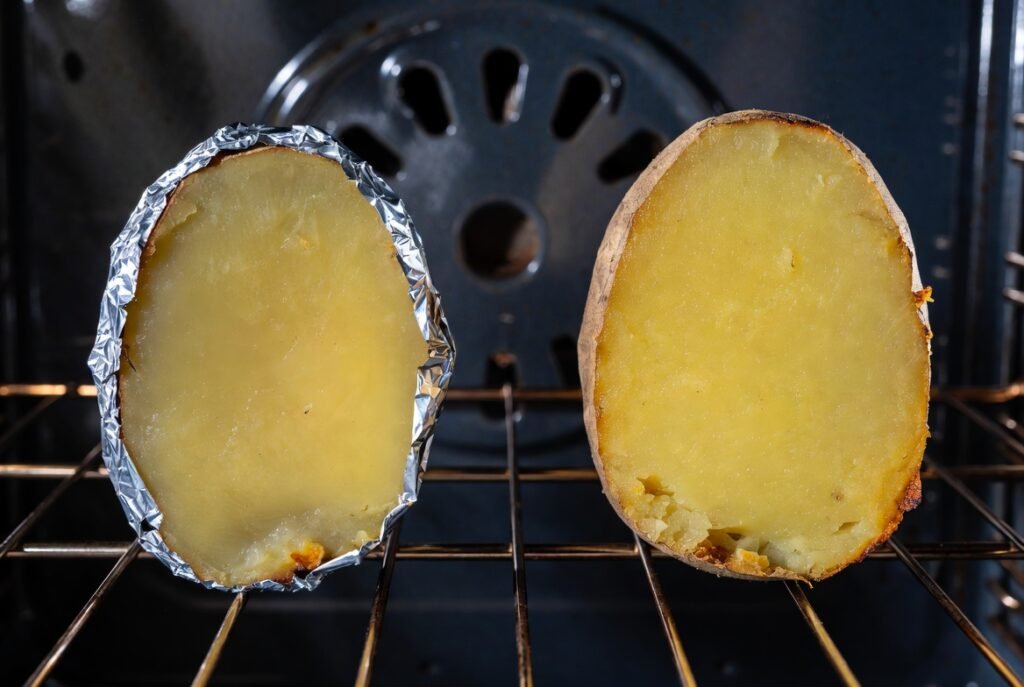
A sealed potato can’t always cook the same way everywhere inside. Where steam piles up, things warm faster than nearby zones. Certain sections begin to soften ahead of neighboring ones. Leaving the lid off during baking helps warmth spread across the entire spud. This way, each part reaches doneness without delay.
Texture Suffers Even After Resting
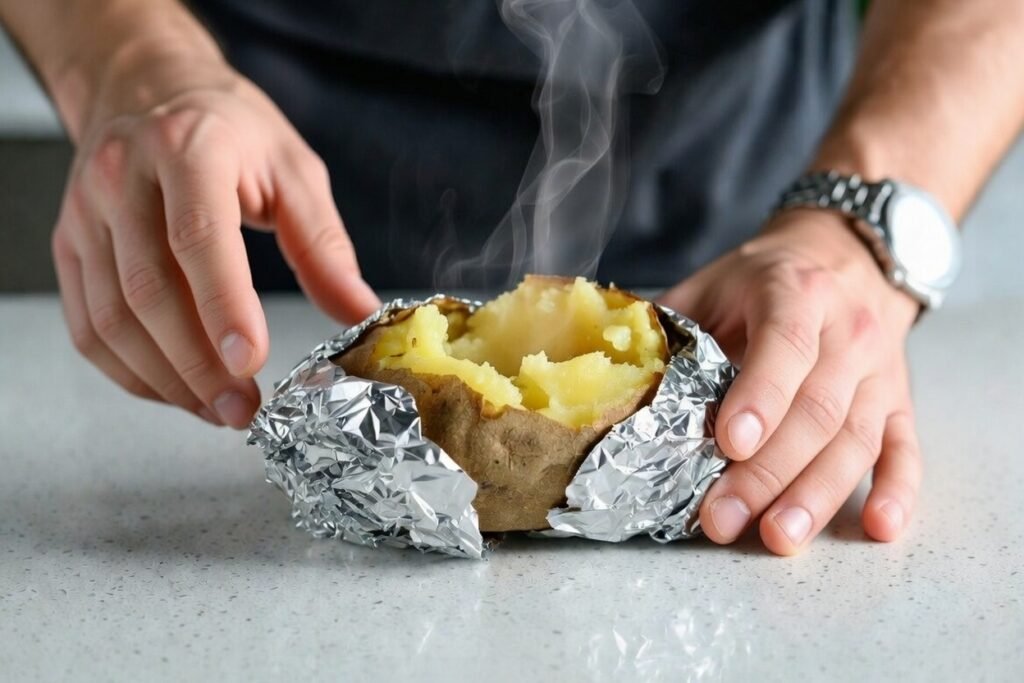
Once baked, a foil-wrapped potato sits still. Inside, water keeps acting on how it feels. That steam won’t vanish on its own. When sliced, what you get is density – no fluffy pieces showing up.
Simple Changes Create Big Improvement
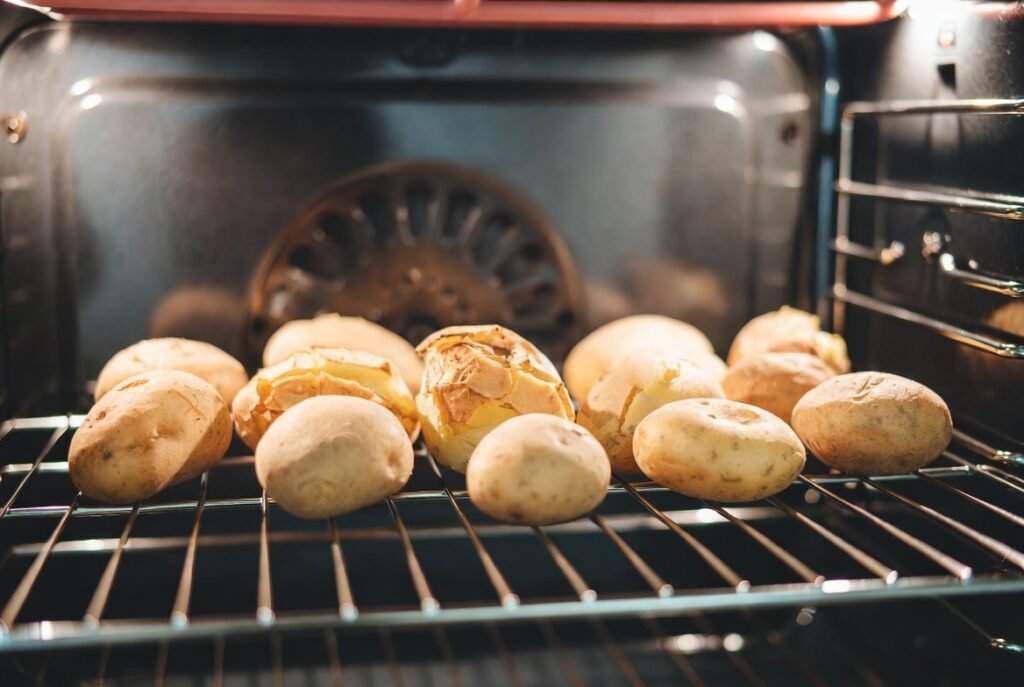
Foil be gone – toss potatoes right onto the oven rack. Heat reaches them straight, nothing in between slowing things down. That change? Crispy edges appearing alongside fluffy centers, felt immediately at the first chew. Flavor tends to deepen too, suddenly. What rises now isn’t luck – just bakes far more evenly.
Better Results Require Less Effort
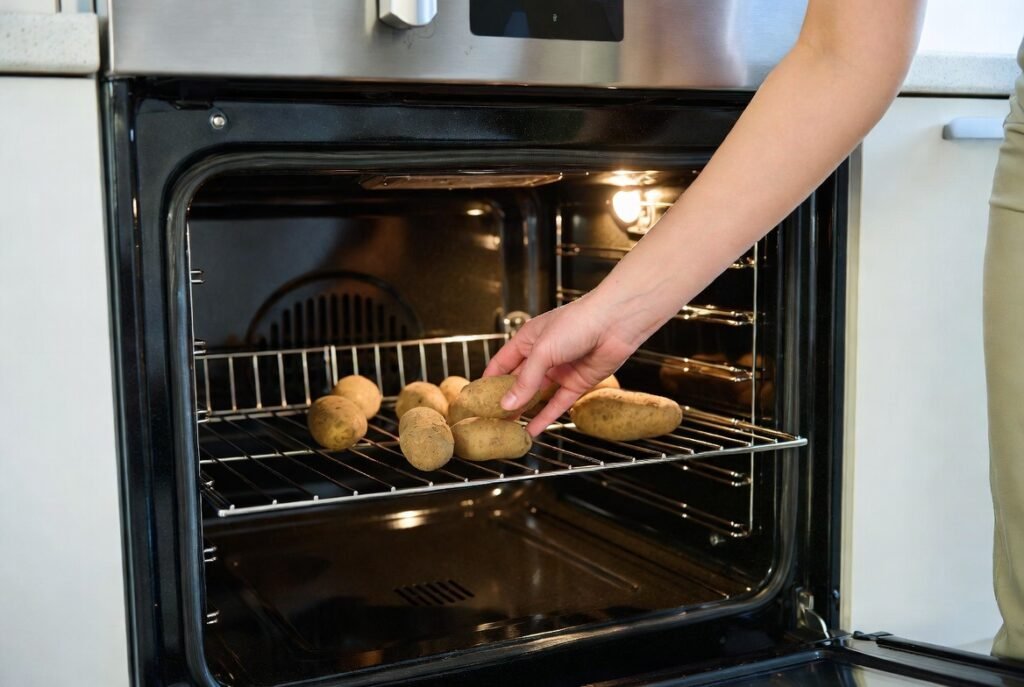
Funny thing is, taking off the foil makes everything easier. No more peeling, unpeeling, or cleanup. The result? A potato that feels like it was made right there in the oven, shaped just right by fewer moves and less fuss.
The Classic Method Still Works Best
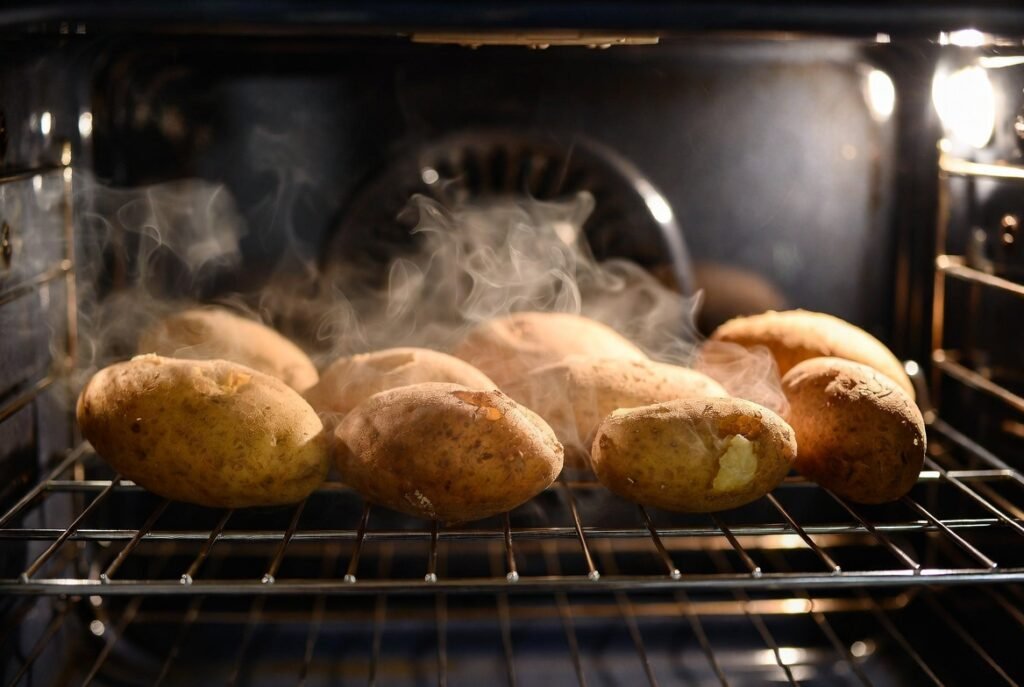
Heat does what it means to do. Uncovered baked spuds let steam rise alongside charring, shaping a natural rhythm. This method follows the way ingredients truly react without interference. If carried through correctly, outcome matches expectation – no extras, nothing missing.
