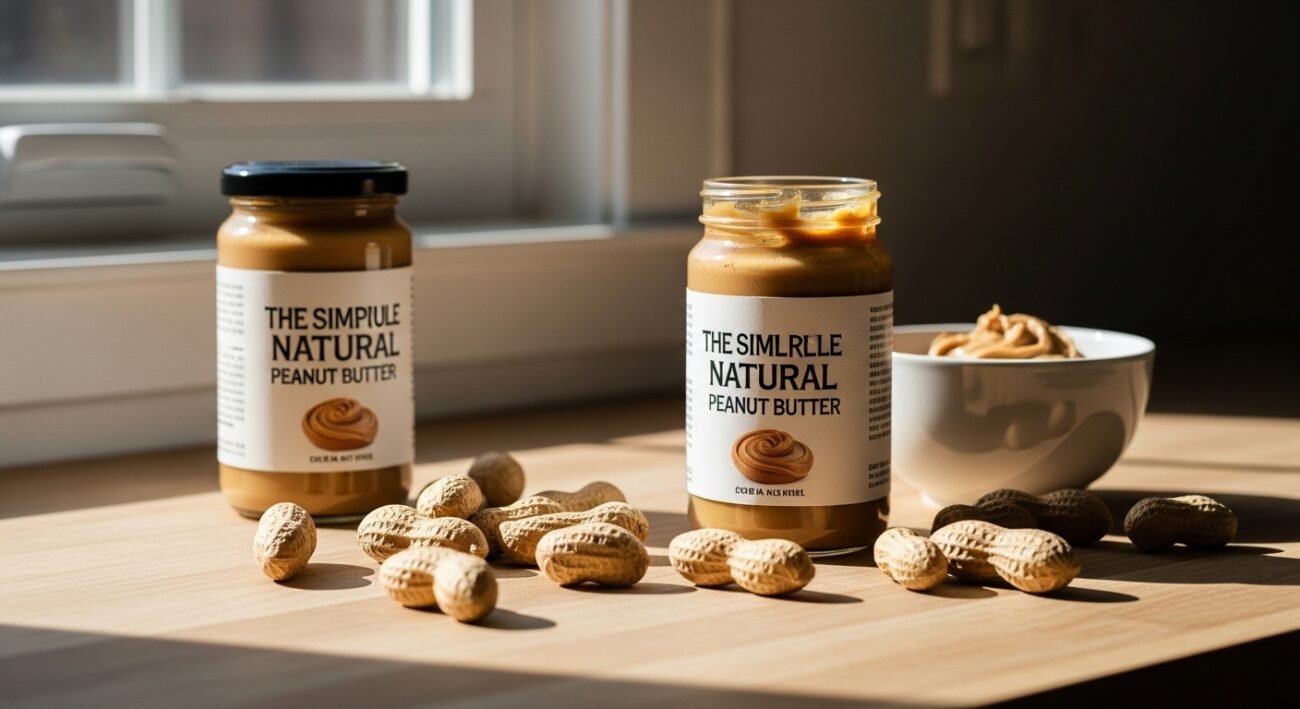
Peanut butter looks simple, but a quick glance at store shelves shows dozens of options claiming to be healthy or natural. In reality, many jars are filled with added sugars, oils, and preservatives that take away from peanut butter’s natural goodness. The simplest way to choose the healthiest option isn’t complicated, it comes down to understanding one basic rule and reading the label correctly.
Why Peanut Butter Is Often Misleading
Many peanut butter brands use marketing words like natural, classic or protein-rich to attract buyers. These labels can be confusing because they don’t always reflect what’s inside the jar. What looks healthy on the outside may contain that reduce nutritional value and add unnecessary calories.
The One Simple Rule to Remember
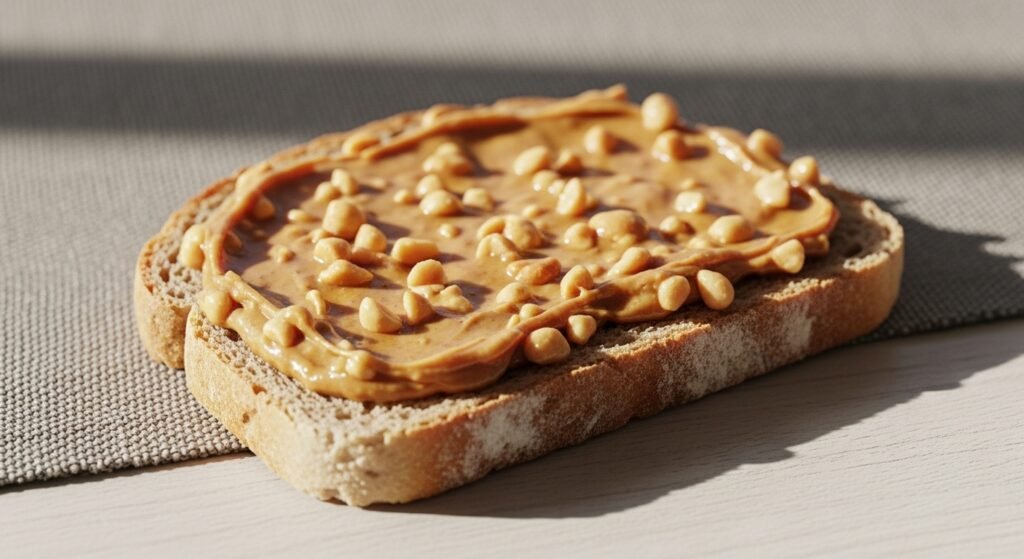
The most natural peanut butter follows one rule, it should contain only peanuts or peanuts and oils, and no longer lists. The shorter the ingredient list, the closer the product is real, natural peanut butter.
Why Peanuts Should Be the Main Ingredient
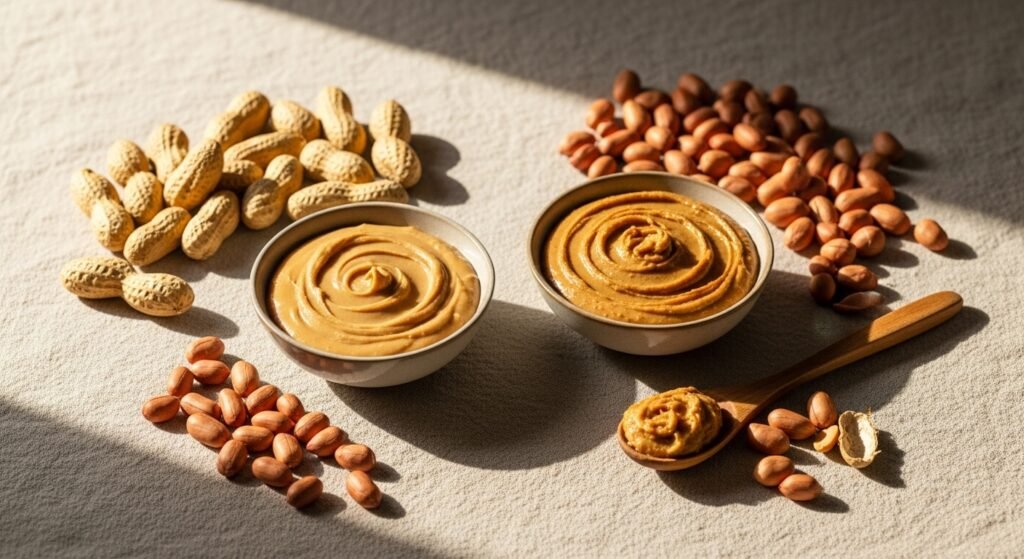
Peanuts provide healthy fats, plant-based protein, and essential nutrients. When peanut butter is made mostly from peanuts, it keeps its natural flavour and nutrition. Adding extra ingredients often changes the texture and taste while reducing health benefits.
The Role of Salt in Natural Peanut Butter
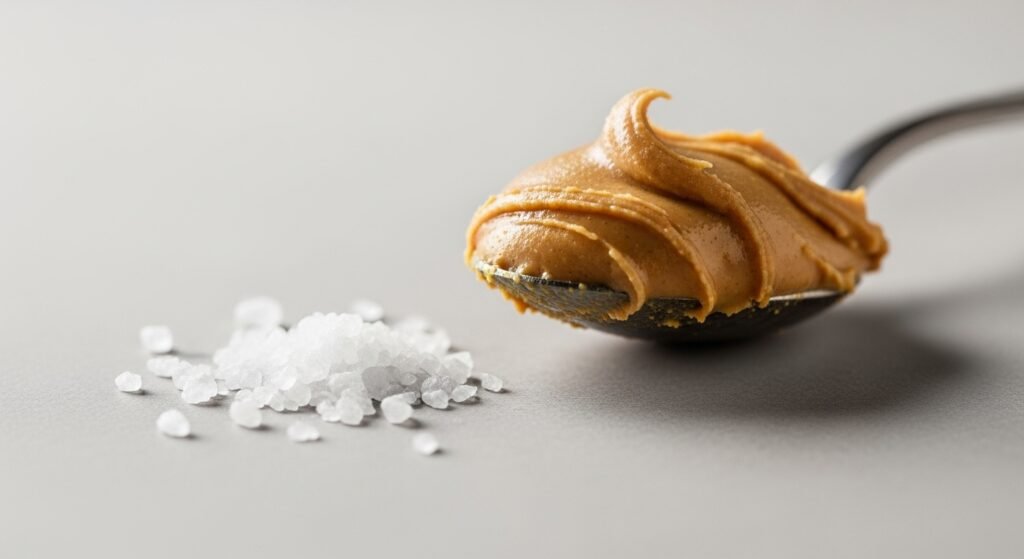
Salt is the only acceptable second ingredient. A small amount enhances flavour without overpowering the peanuts. It also helps balance the bitterness of peanuts. Natural peanut butter with salt still remains clean and simple compared to sugar-loaded alternatives.
Ingredients You Should Avoid
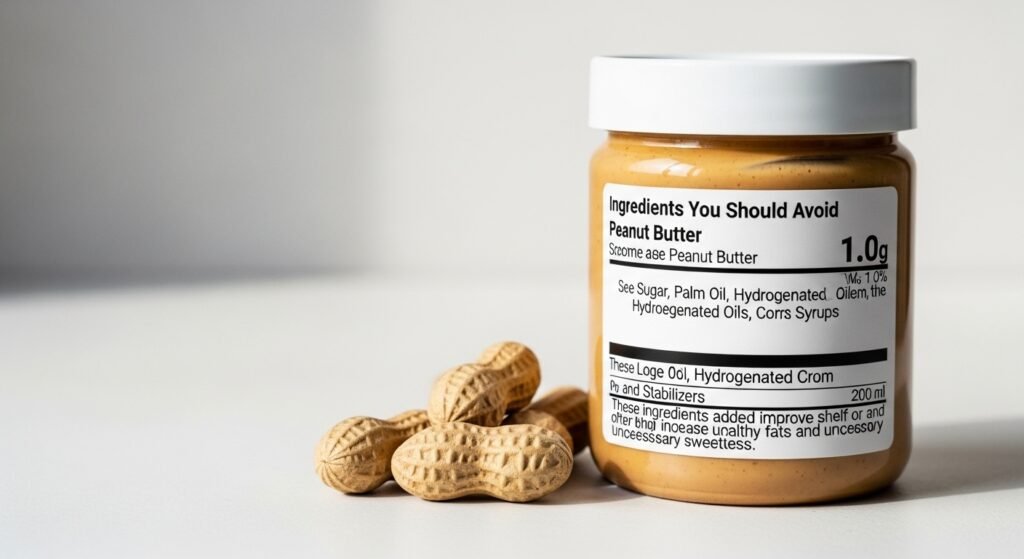
If you see sugar, palm oil, hydrogenated oils, corn syrups, and stabilizers, the peanut butter is no longer truly natural. These ingredients are added to improve shelf life or texture but often increase unhealthy fats and unnecessary sweetness.
Why Oil Separation Is a Good Sign
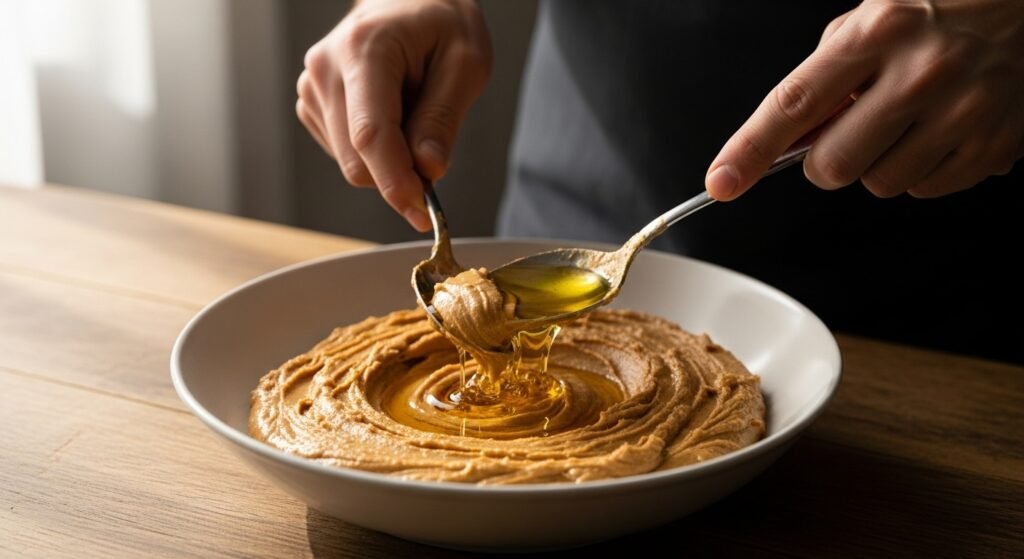
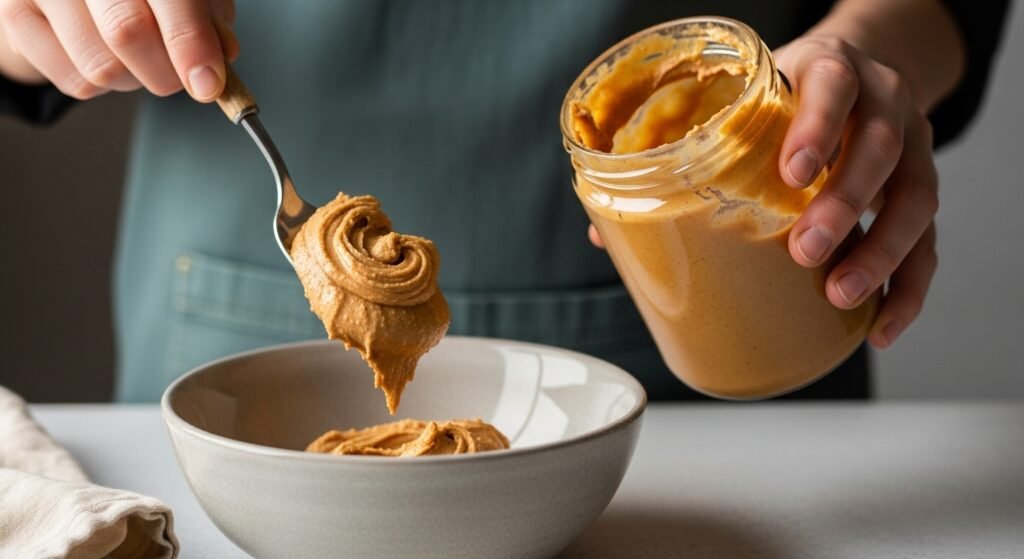
Natural peanut butter often has oil separation at the top. This happens because there are no stabilizers. While it may look inconvenient, it’s a natural sign of purity. Stirring the jar brings the natural oil back into the peanuts.
Texture and Taste Differences
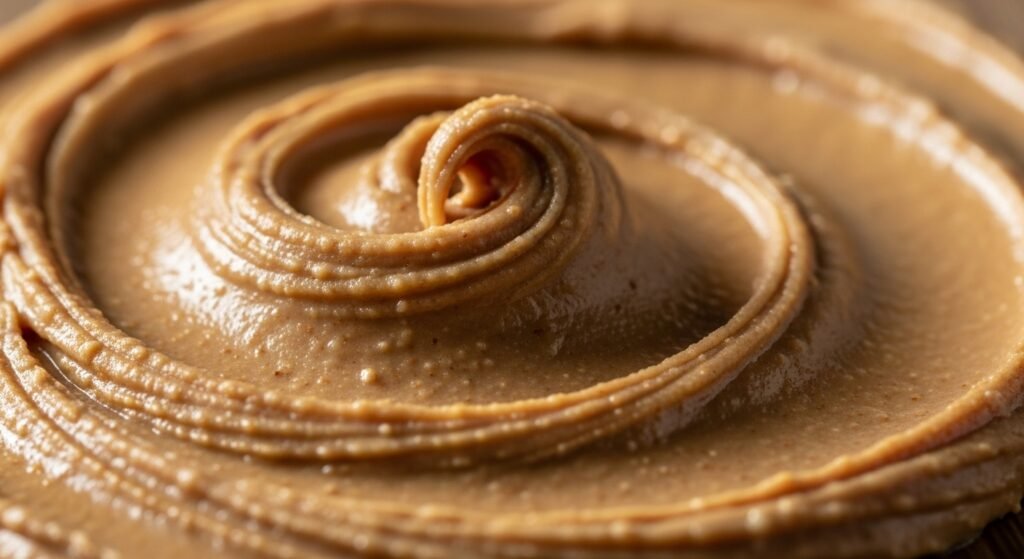
Natural peanut butter may feel thicker or slightly grainy compared to processed versions. The taste is more earthy and peanut-forward. This is normal and expected when no fillers or sweetners are used to alter the texture.
How to Read Labels Quickly
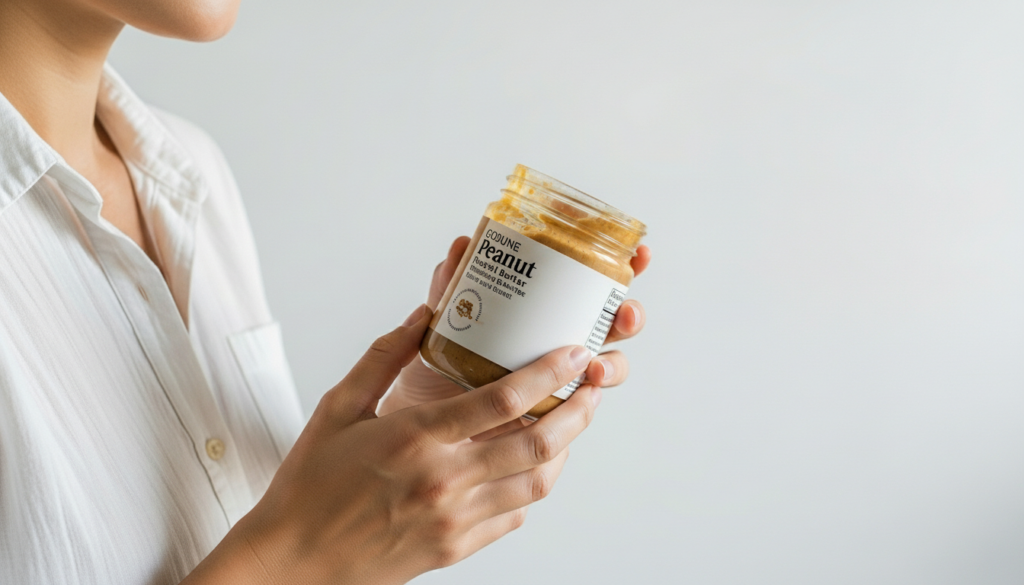
Turn the jar around and read the ingredient list first. Ignore the front-label claims. If you see just peanuts or peanuts and salt, you’ve found a good option. If the list is long or includes words you can’t pronounce easily, it’s best to skip it.
Natural Peanut Butter and Health Benefits
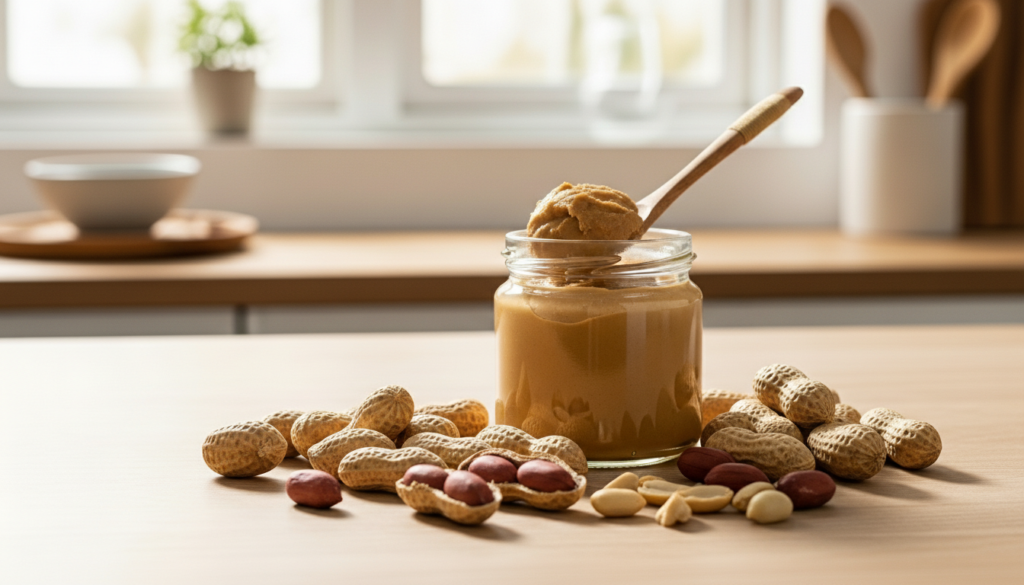
Choosing natural peanut butter supports better heart health, stable energy levels, and fewer sugar spikes. It fits well into balanced diets and works for people focusing on clean eating or weight management.
Making the Switch From Regular Peanut Butter
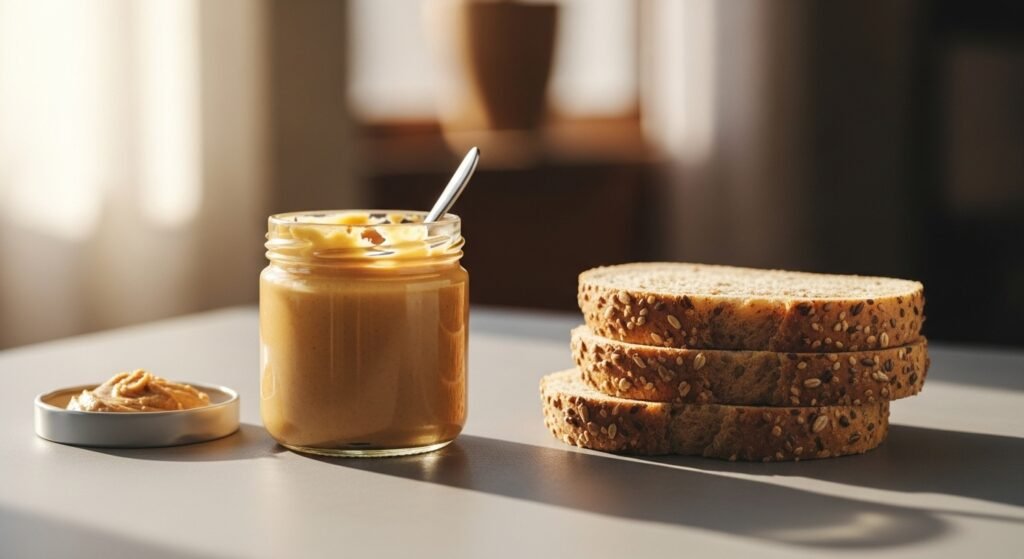
Switching to natural peanut butter may take time if you’re used to sweetened versions. Start slowly by mixing it with familiar foods like toast, fruit, or smoothies. Over time, the natural taste becomes more satisfying and less overpowering.
