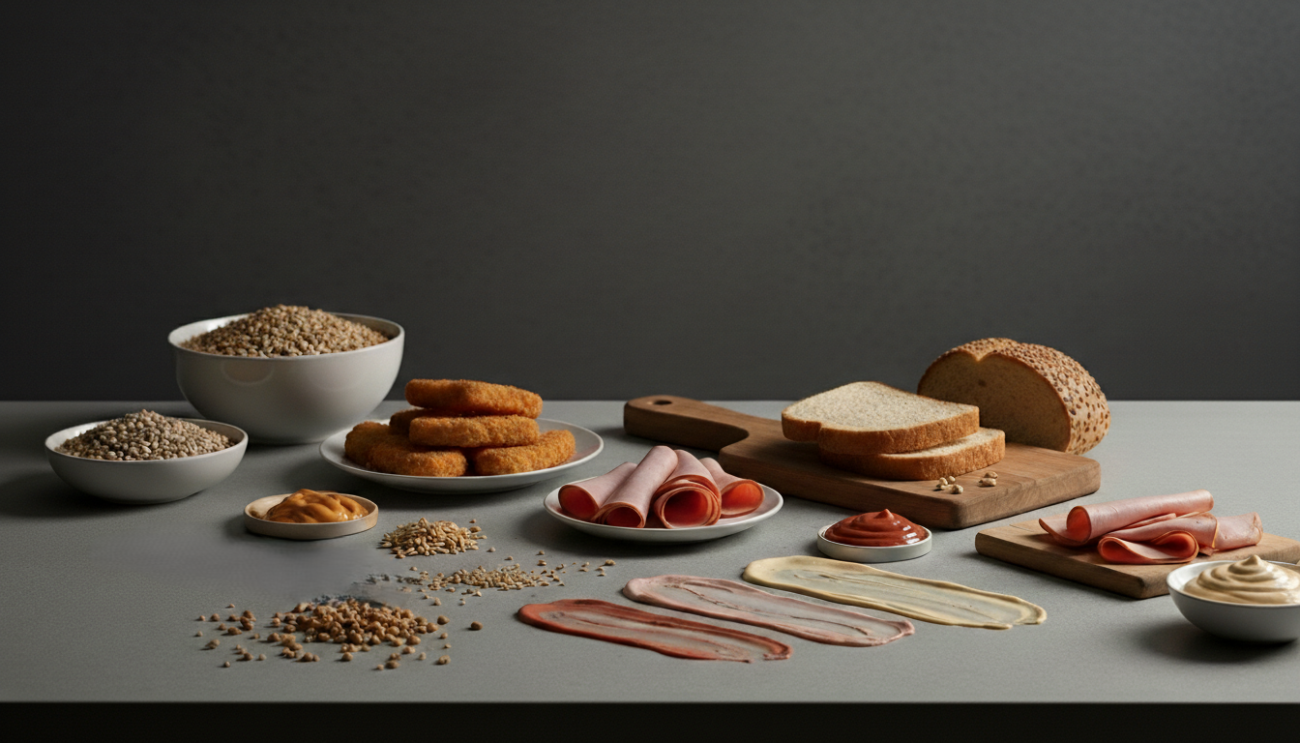
Even small food choices play a role in heart health. Not just sweets cause trouble – regular servings of certain items do damage too. Some things, like snacks that feel harmless, slowly affect blood flow if consumed too much. Knowing what you take in matters more than worrying about “bad” items. Small shifts in routine bring real difference without panic.
Sugary Breakfast Cereals
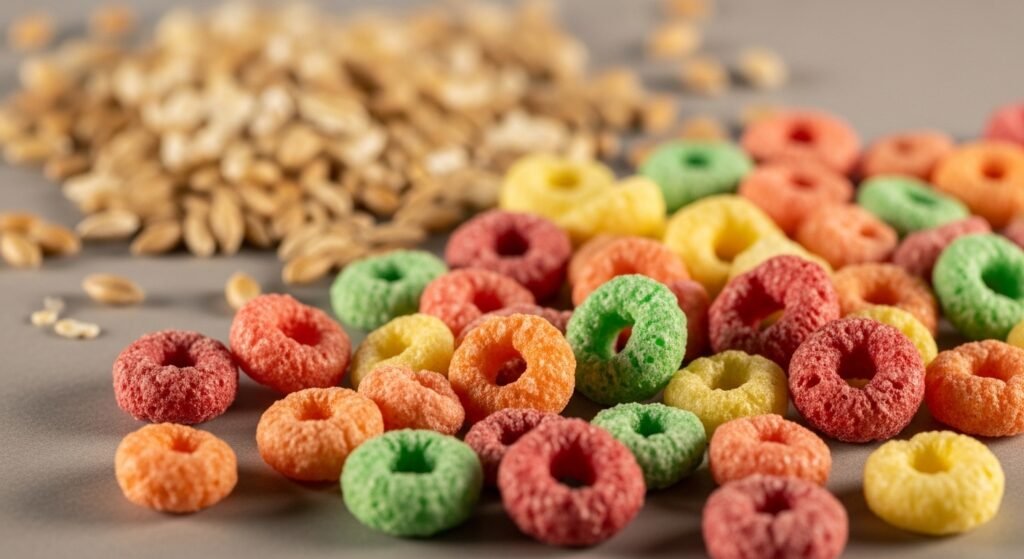
Start the day with many breakfast cereals packed full of extra sugars and processed carbs. High levels of these can lead to sudden jumps in blood sugar, placing extra demand on the heart across years. Some “healthy” options hide surprisingly high sugar amounts, particularly if little fiber or protein is present.
Processed Deli Meats
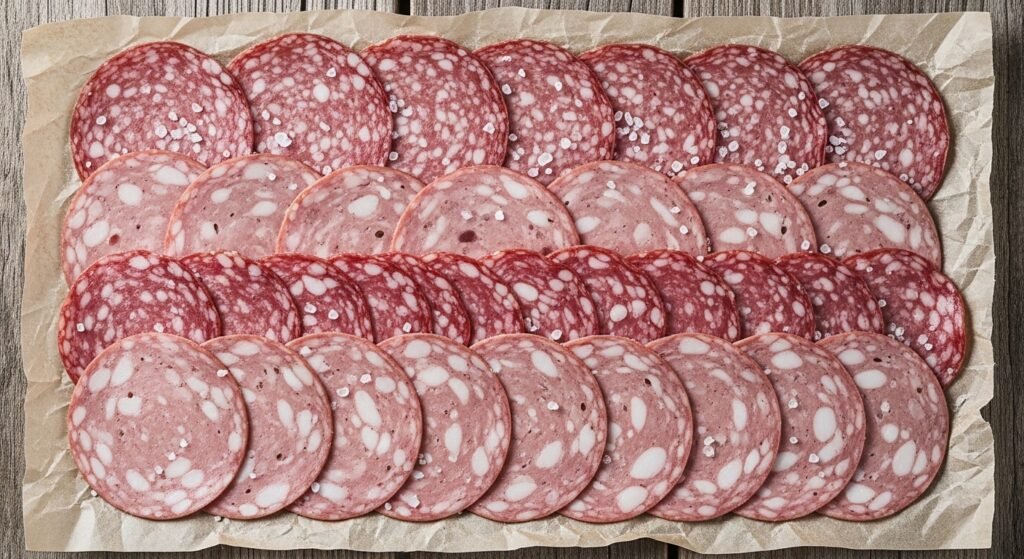
Usually packed with salt and preservatives, cold cuts plus sealed meats tend to sit heavily in diets. Over time, this kind of routine might push up your blood pressure, adding strain across the heart’s workload. Hidden in plain sight – they pop up a lot in everyday meal fixes like sandwiches or little containers.
White Bread and Refined Grains
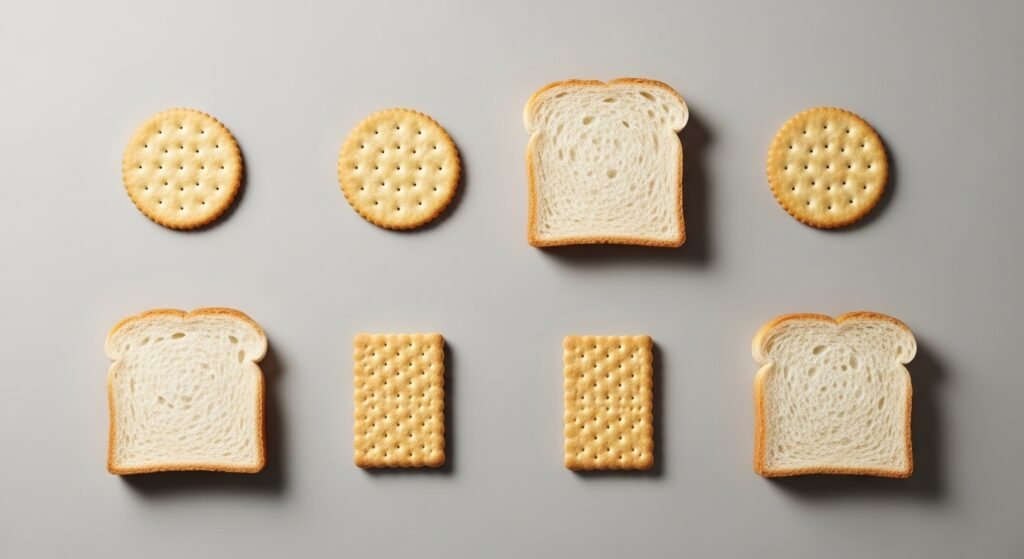
Frequent consumption of refined grains often reduces fiber intake, affecting how cholesterol and blood sugar manage themselves. Since body responses tend toward inflammation and uneven metabolism, such habits may slowly increase pressure on heart function over time.
Fried Foods
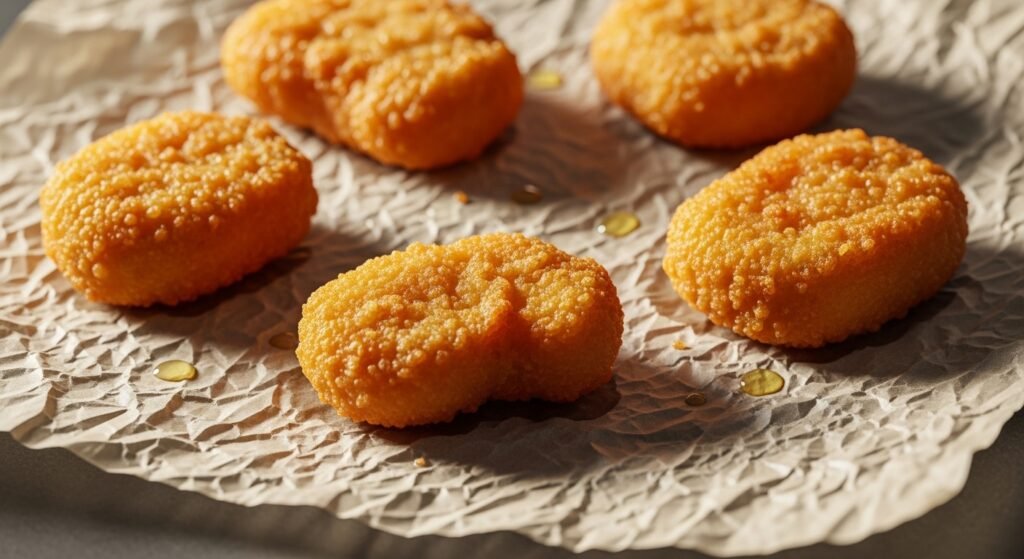
Foods cooked in reused or low-quality oils often contain unhealthy fats. Heavy consumption might lower cholesterol levels in a negative way. Small amounts, added often, build over time – especially if fried meals join everyday habits instead of showing up just now and then.
Flavored Yogurts
Fruit yogurt might look good for your heart, yet plenty of colored kinds pack extra sugar. That extra sweetness often hides how little real nutrition stays inside. Because they taste like treats, people tend to eat more without noticing. Probiotics and protein end up doing less when sugar takes center stage.
Packaged Snacks Labeled “Low Fat”
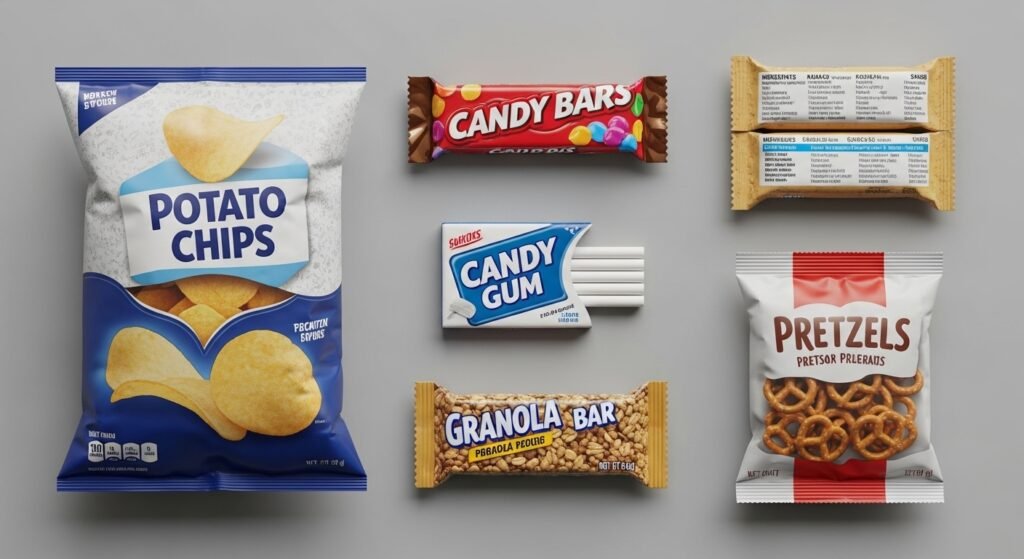
Sometimes, low-fat foods add more sugar or salt to taste better. That shift in ingredients might harm the heart in much the same way as excess fat does. A label might trick someone into thinking less is needed, leading to bigger servings but fewer real choices.
Restaurant Sauces and Dressings
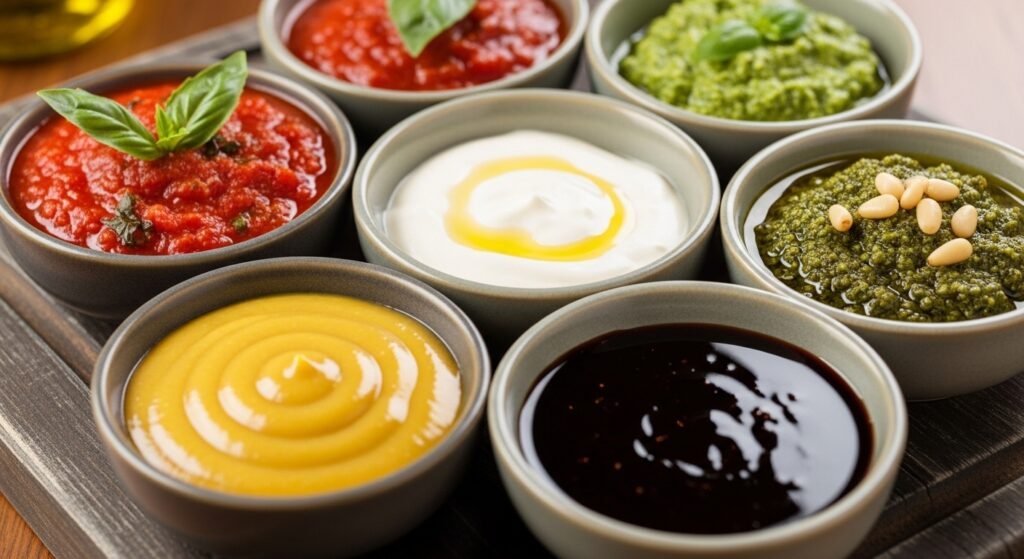
Small amounts of sauce or dressing might slip by, even though they get poured in often. What hides inside – salt, sweet stuff, greasy parts – tends to pile up when dishes repeat. Since folks don’t measure each pour, the weight builds without warning. Taste rules usually win, but hearts pay later.
