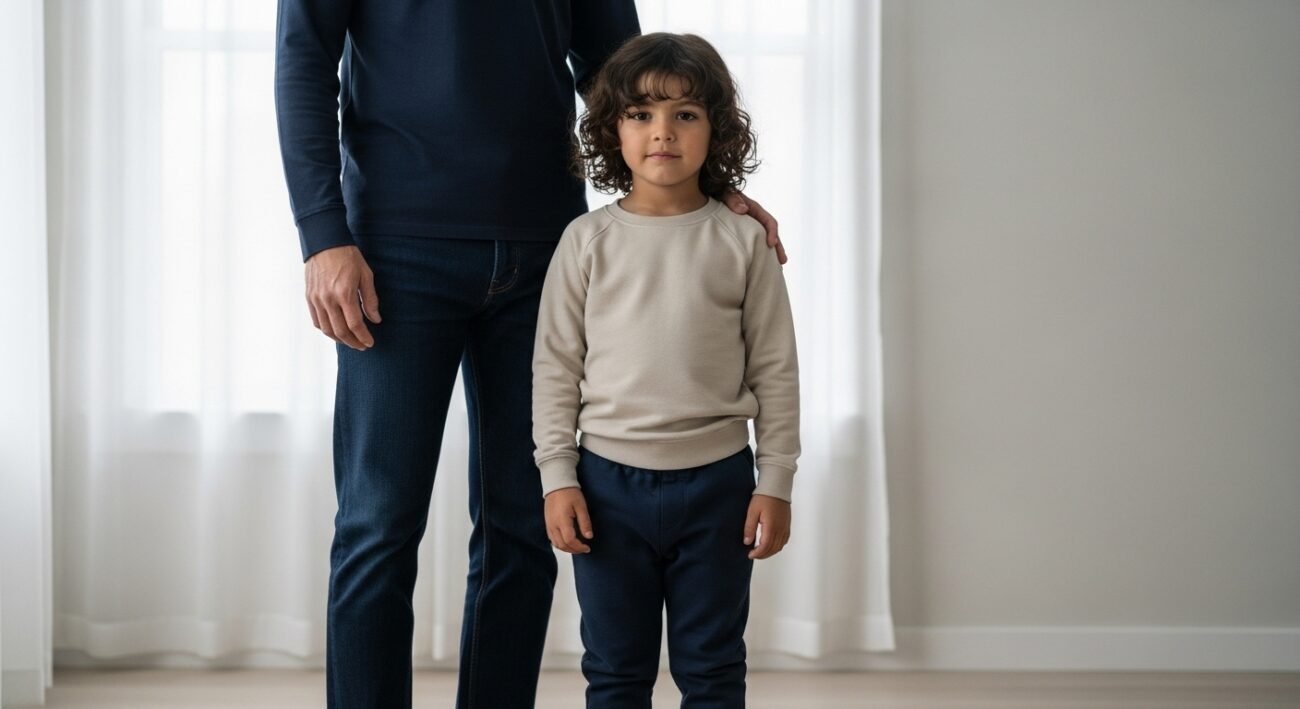
Kid’s fashion in the US has changed dramatically over the years. What was once all about durability and practicality now includes trends, self-expression, and comfort. Many parents still approach kid’s clothing with outdated assumptions, often unintentionally overlooking what actually matters to children. Understanding where these ideas miss the mark can make shopping easier and help kids feel more confident in what they wear.
Thinking Fashion Is Only About Looks
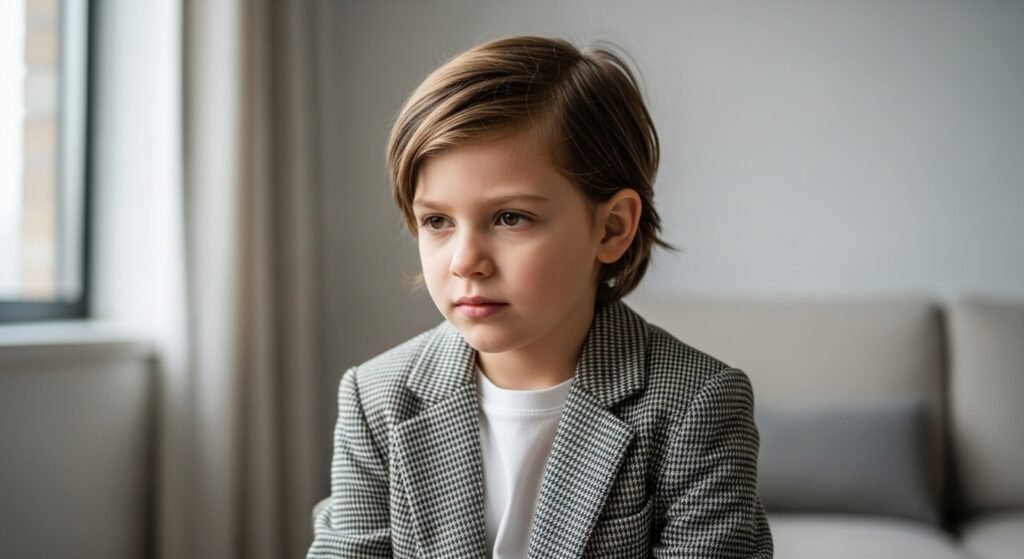
Many parents assume a kid’s fashion is just about appearance. In reality, clothing plays a role in how children feel, move, and express themselves. When outfits look good but feel uncomfortable, kids may feel distracted, irritated, or self-conscious throughout the day.
Prioritizing Trends Over Comfort
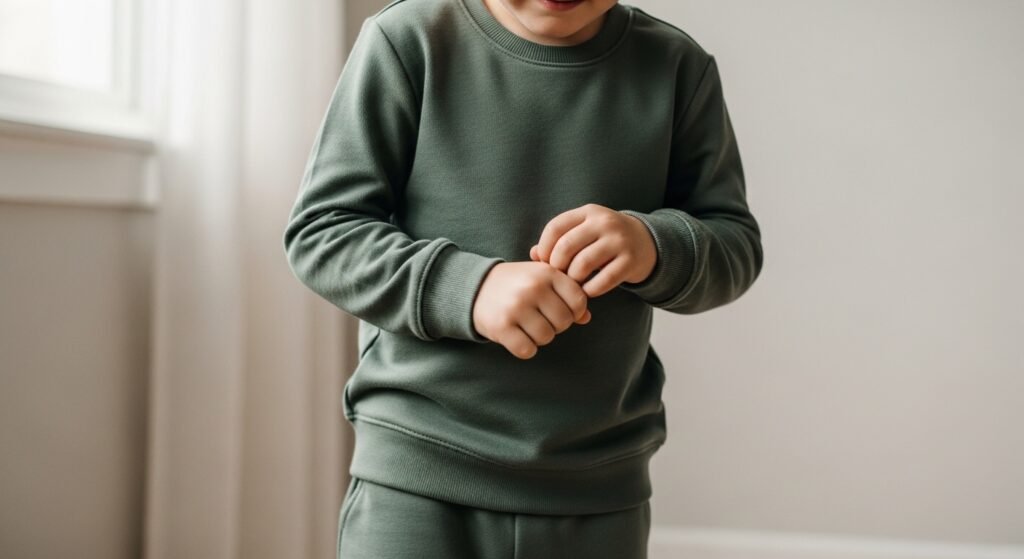
Trendy outfits may look great, but stiff fabrics, tight waistbands, or itchy tags can ruin a child’s day. Comfort directly affects mood and focus. Kids are more confident and active when they can move freely in what they’re wearing.
Assuming Kids Don’t Care About Style
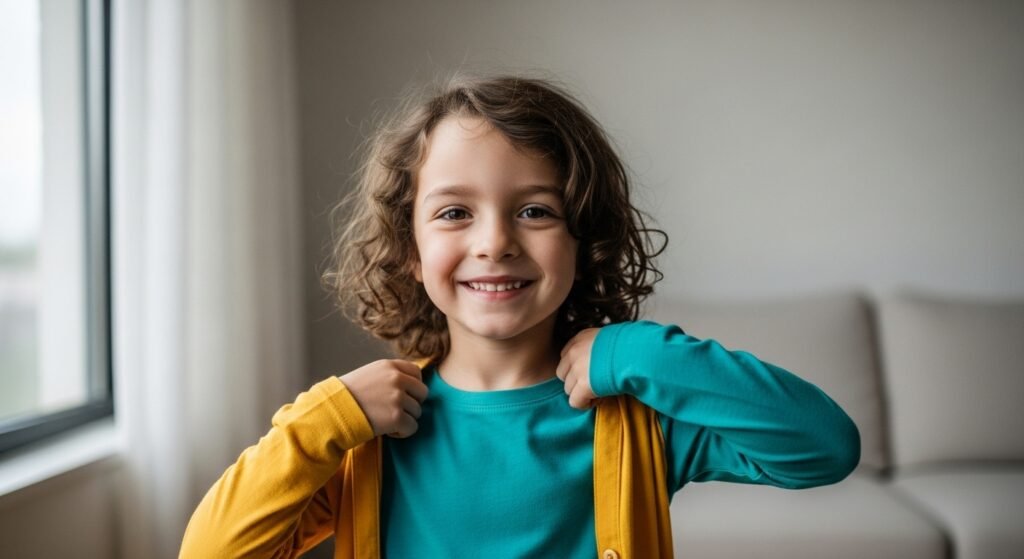
Some parents believe that kids are indifferent to fashion. However, even young children develop preferences early. Colors, patterns, and favorite characters help kids express identity. Ignoring these choices can make children feel unheard.
Buying Clothes Just to “Grow Into”
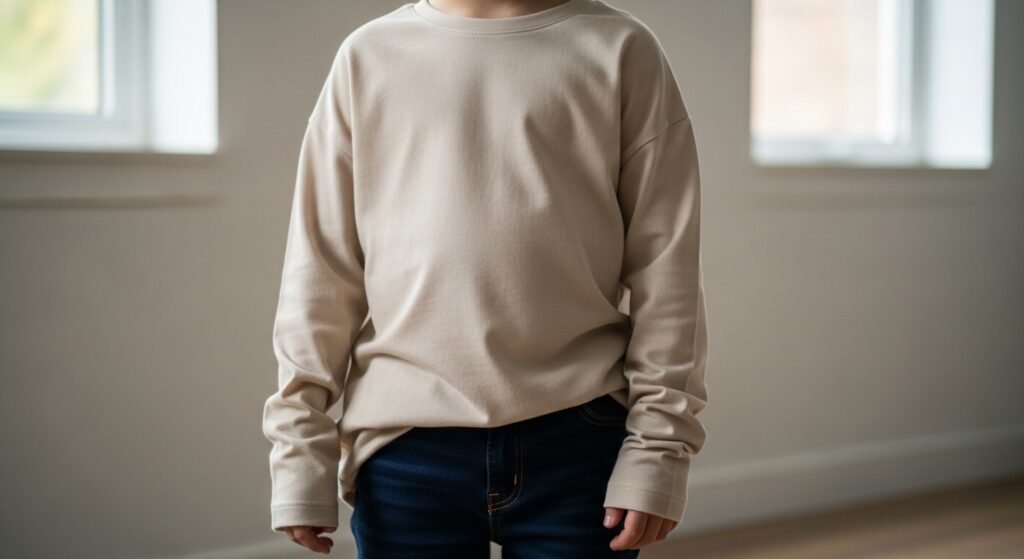
Oversized clothes meant to last longer often and up rarely worn. Kids may feel awkward or restricted in clothes that don’t fit properly. Well-fitting clothes encourage confidence and independence, even if they need replacing often.
Underestimating Peer Influence
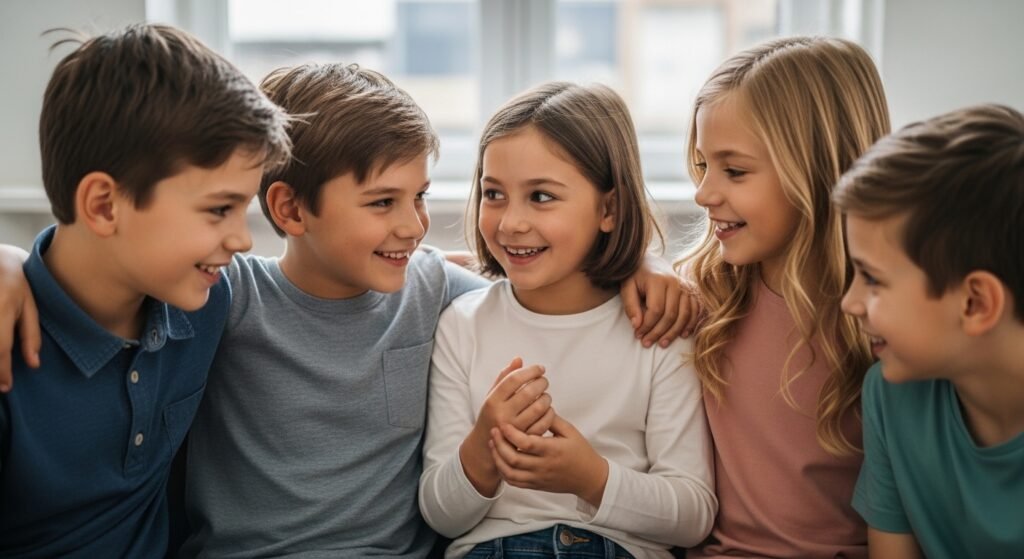
Parents sometimes overlook how much peers affect clothing choices. Kids notice what others wear at school and social events. Feeling different in an uncomfortable way can impact confidence, especially in other children.
Choosing Durability Over Softness
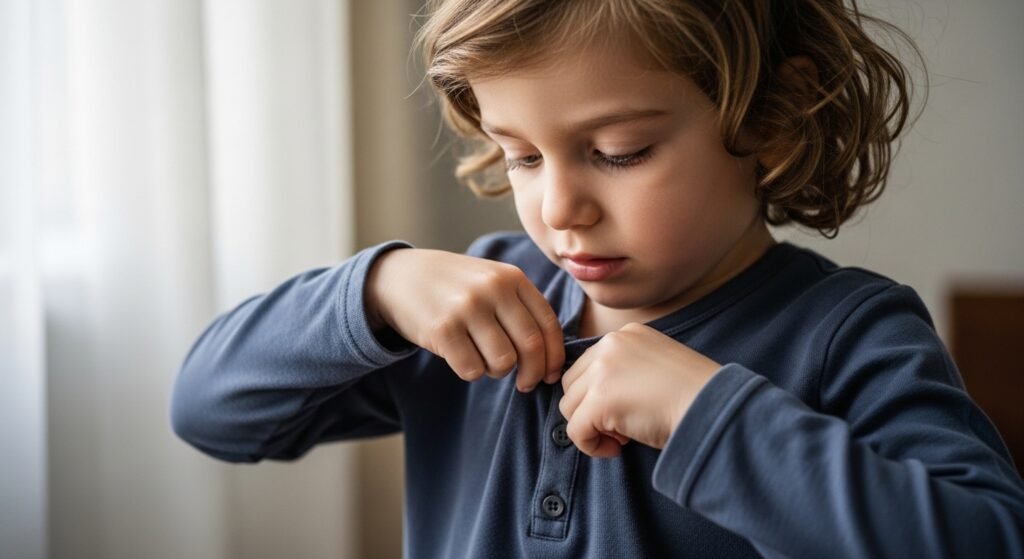
Durable clothes matter, but rough fabrics or heavy materials can be uncomfortable. Many kids orefer soft, breathable fabrics that feel gentle on skin. Comfort encourages kids to wear clothes more often and enjoy them.
Ignoring Climate and Activity Needs
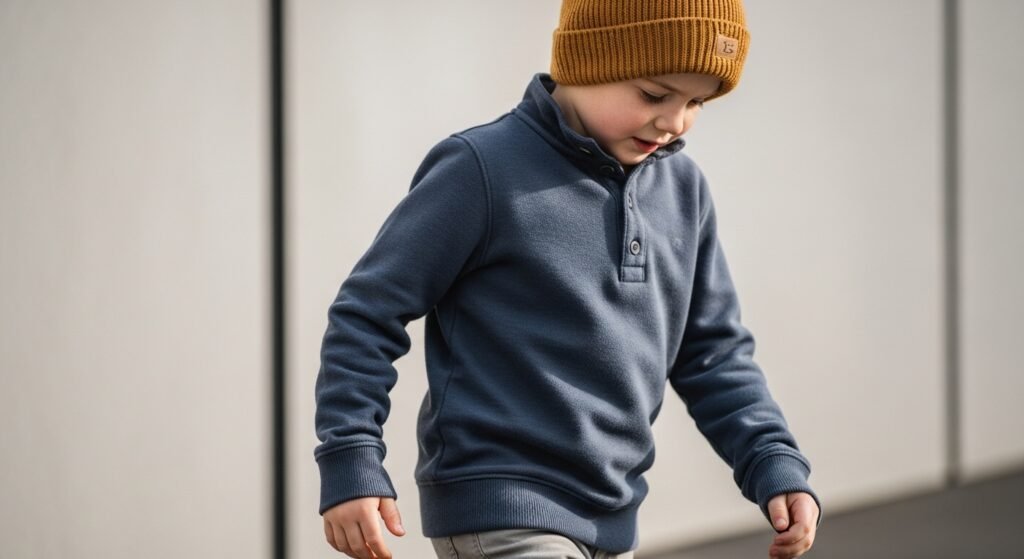
Kids need different clothing for different emvironments. Wearing the wrong fabric for hot and cold weather can cause discomfort. Active kids especially need flexible, breathable materials that support movements.
Treating Fashion as a Battle
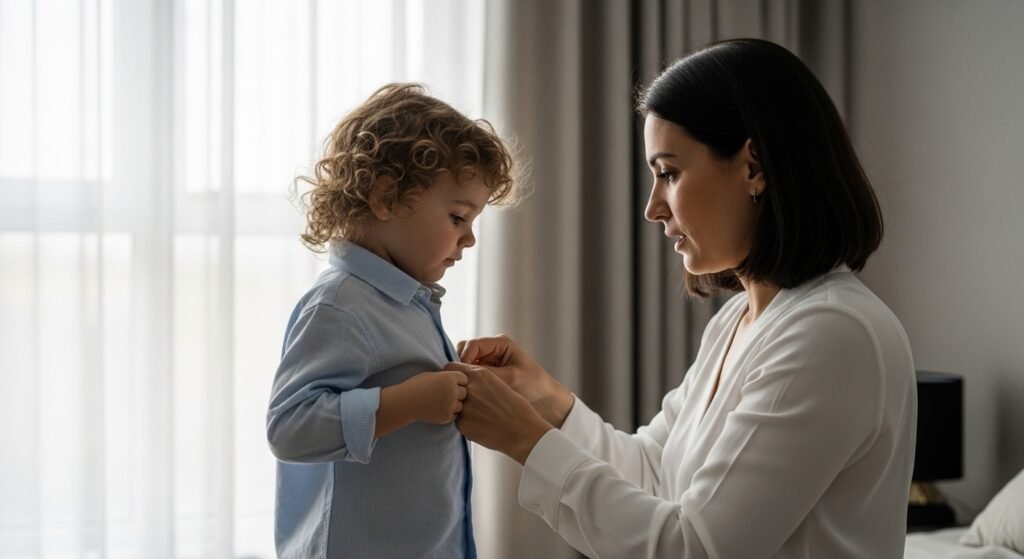
Forcing clothing choices can turn getting dressed into a daily struggle. Allowing kids some control builds confidence and cooperation. Small choices like color or accessories can reduce resistance and stress.
Forgetting That Kids Grow Emotionally Too
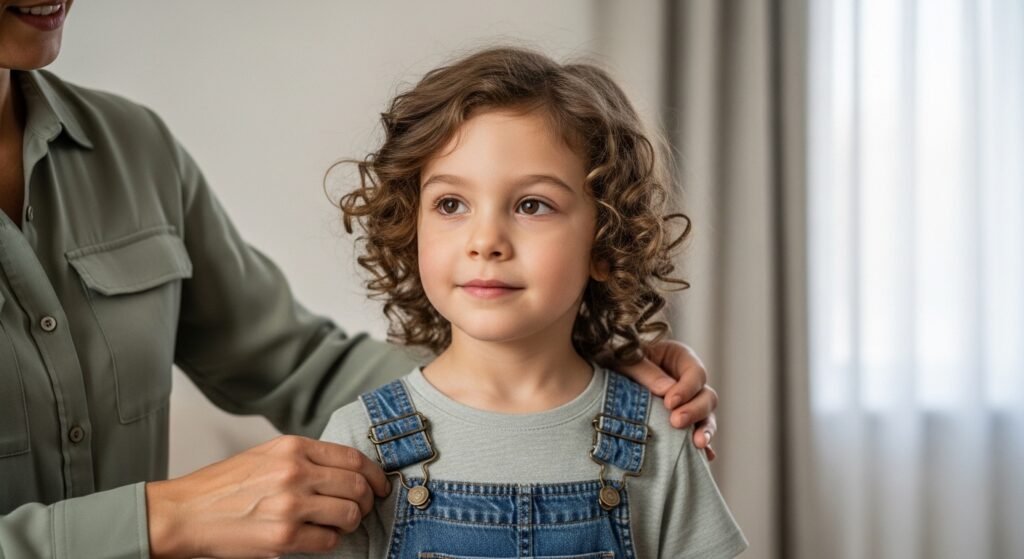
Kid’s Fashion isn’t just about physical growth. As chuldren age, they want more indepdence and slef-expression. Respecting evolving style preferneces helps support emotional development.
Overlooking Functionality

Clothes need to work for kid’s daily lives. Easy fasteners, stretchable waistbands, and simple layers help kids dress independently. Functional clothing supports confidence and self-sufficiency.
