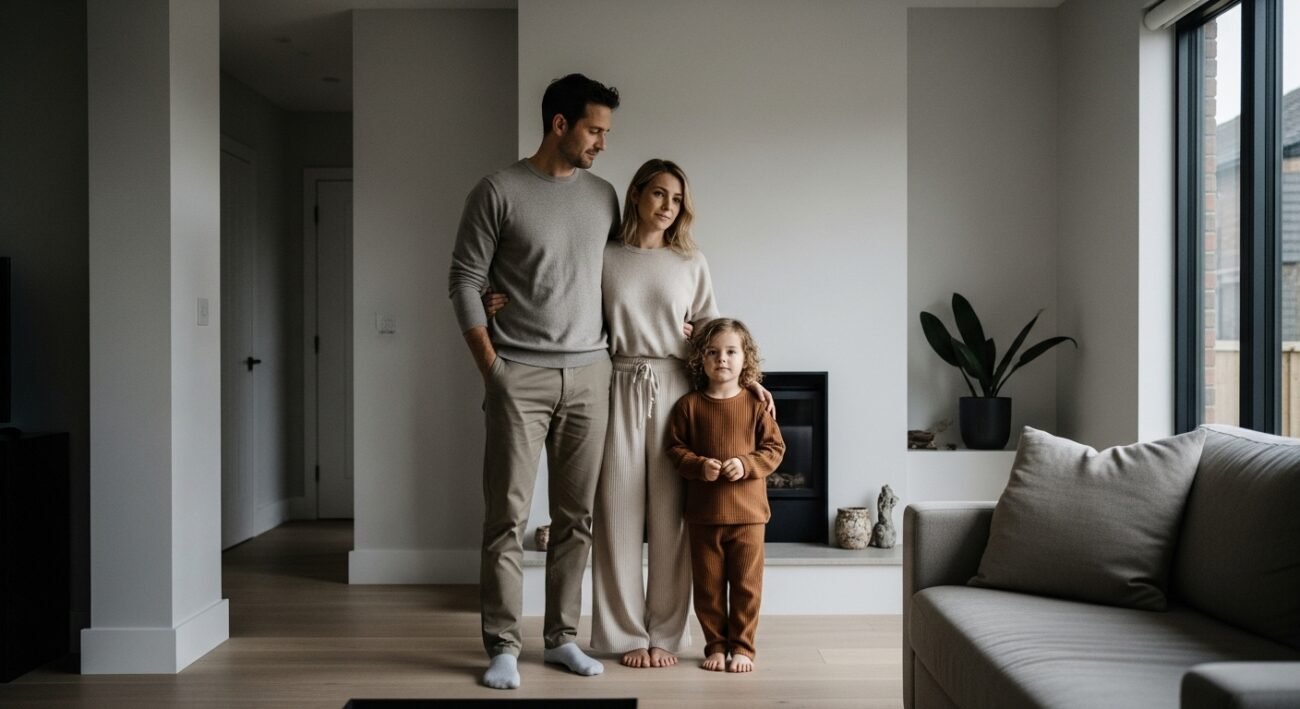
Kid’s fashion in the United States is no longer just about cute outfits or trendy sneakers. Increasingly, parents are questioning what their children wear, and how it impacts their comfort, identity, and values. Gone are the days when fashion for kids was driven solely by mini-versions of adult trends. Today’s parents are making more intentional choices focusing on comfort, sustainability, self-expression, and emotional well-being.
Comfort Over Couture
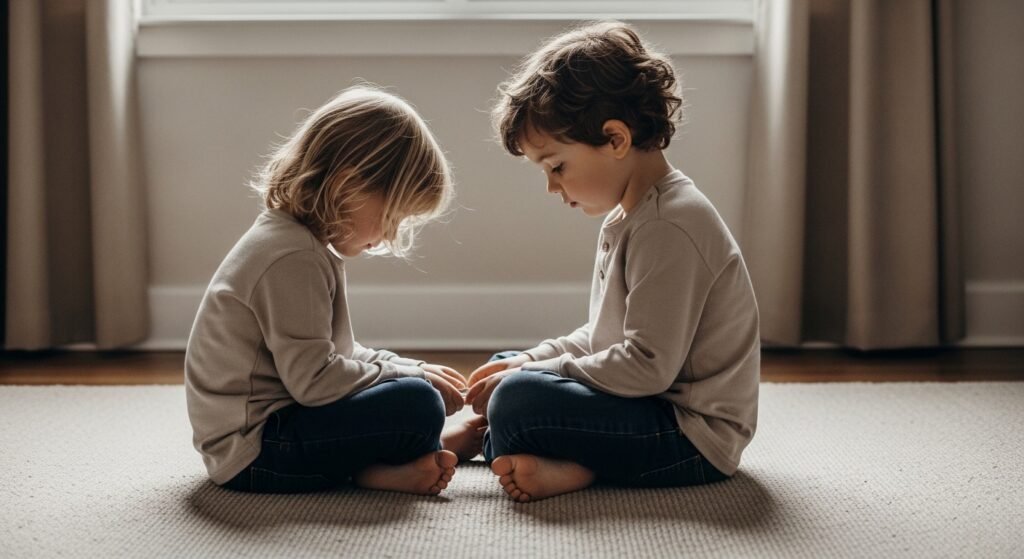
One of the biggest shits in kid’s fashion choices is comfort taking priority over style. Parents are moving away from stiff, dressy outfits that look good in photos but feel uncomfortable in real life. Instead, soft fabrics, stretchable waistbands, and breathable outfits are now everyday staples. When kids can move freely whether at school, playdates, or family outings parents notice better moods, more activity, and fewer outfit battles in the morning.
Practicality for Busy Lives
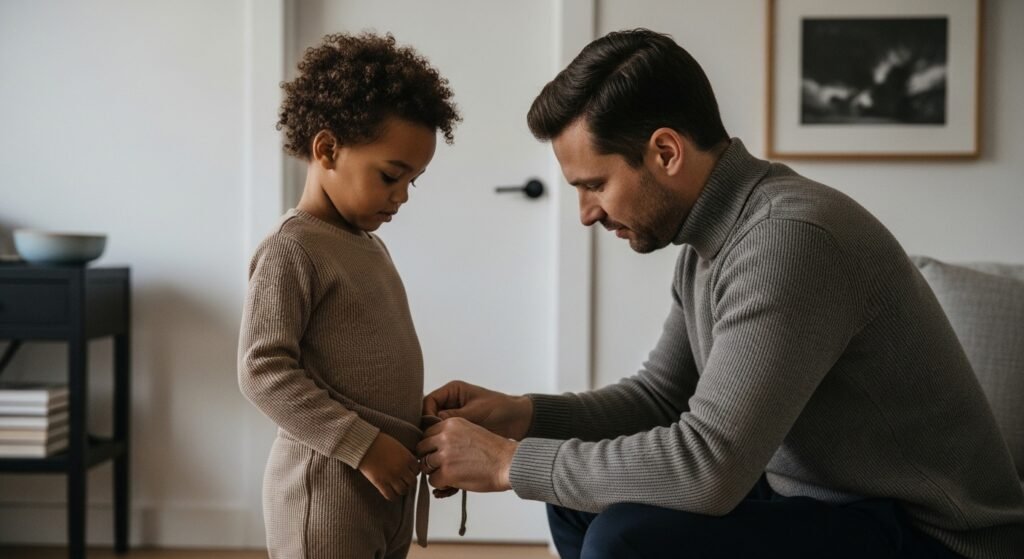
Modern family life moves fast. Parents are choosing clothes that make getting dressed easier, not harder. Pieces that are machine-washable, durable, and easy to layer fit everyday routines better than delicate fashion statements. Practical fashion doesn’t mean boring, it means versatile clothing that transitions from gym class to dinner with ease.
Supporting Personal Expression
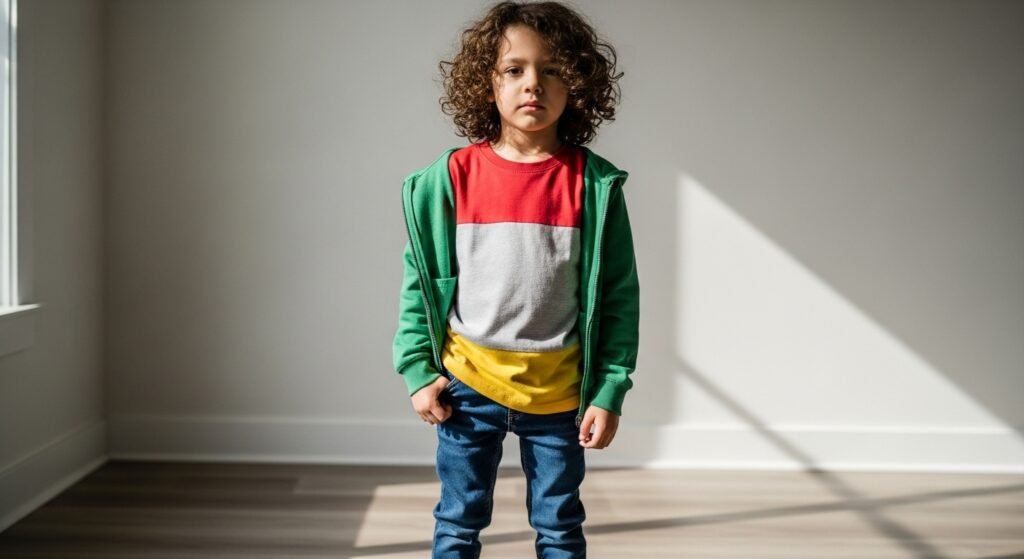
Kids don’t just wear clothes, they express themselves through them. Parents today are more willing to let children choose outfits that reflect their personalities rather than only selecting what adults find appropriate. Bold prints, colorful graphics, and unique combinations are embraced as ways for kids to show creativity and confidence. Fashion becomes a tool for self-expression, not just conformity.
Awareness of Social Messages
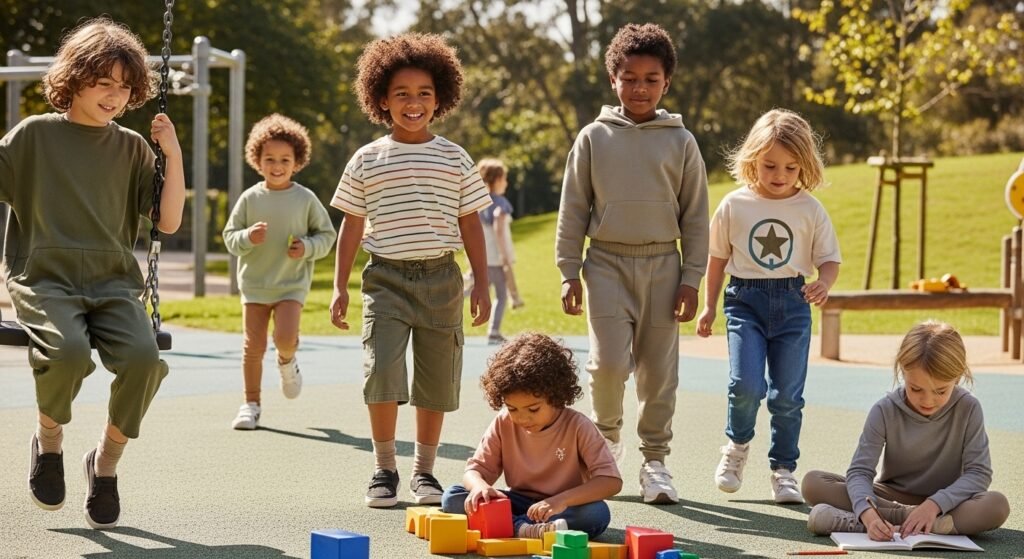
Parents are increasingly aware of the social messages sent through clothing. Gender-neutral fashion, inclusive fits, and functional designs challenge outdated norms. Many parents want children to feel comfortable in clothes that don’t reinforce restrictive stereotypes. This shift reflects broader cultural changes around identity and acceptance.
Sustainability Matters
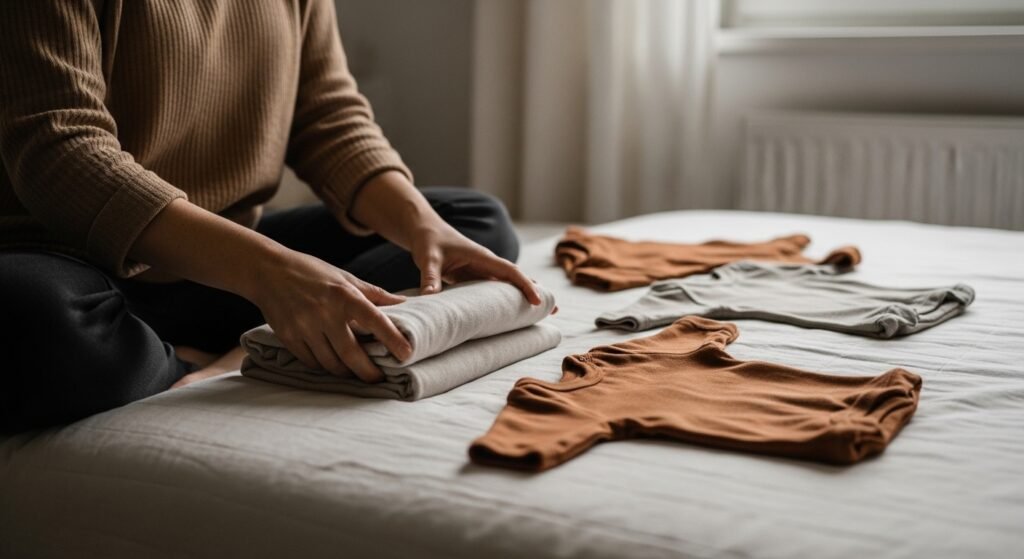
Sustainability has become a big part of how parents view kid’s fashion. With fast fashion contributing to waste, many families are choosing organic fabrics, recycled materials, or secondhand options. Buying fewer but better-made items reduces environmental impact and often saves money in the long run. Parents want wardrobes that align with their values, not just the latest trend cycle.
Budget-Friendly Fashion Sense
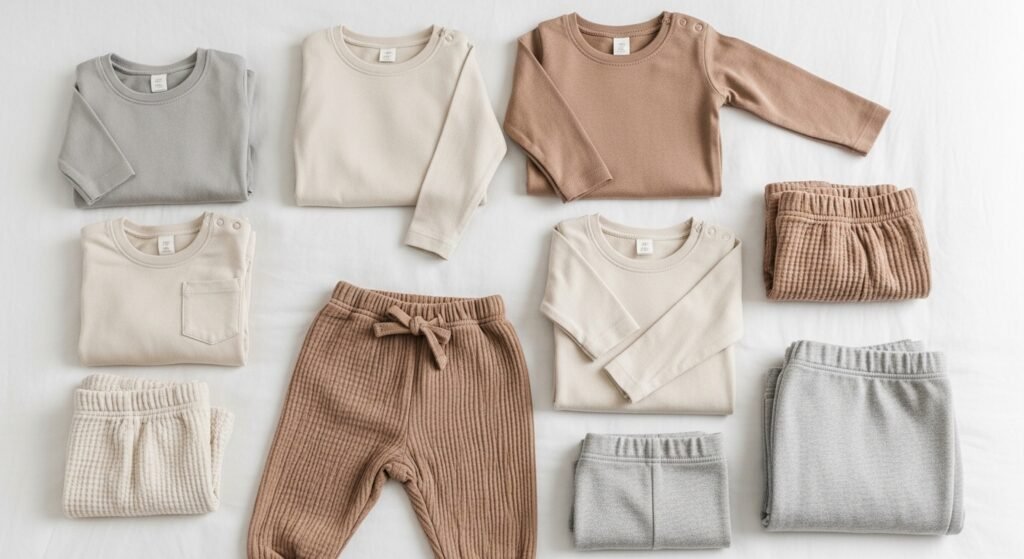
Rising costs have also impacted how parents shop. Instead of constant trend chasing, many families are choosing quality over quantity. Simple, timeless pieces that can be mixed and matched make more economic sense. When kids grow quickly, versatile clothing stretches both style and budget further.
Emphasis on Emotional Well-being
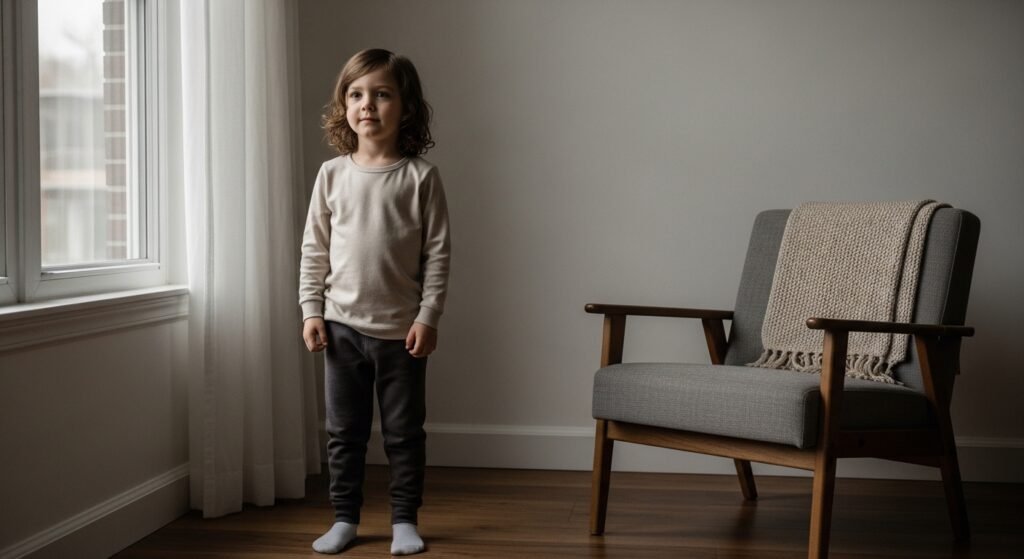
Perhaps most importantly, parents are realizing that what kids wear affects how they feel. Clothes that prioritize comfort, identity, and dignity support confidence and emotional well-being. A well-fitting outfit that aligns with a child’s personality helps them move through the world with ease and joy, something parents now value as much as fashion itself.
Fewer Trend Cycles, More Longevity
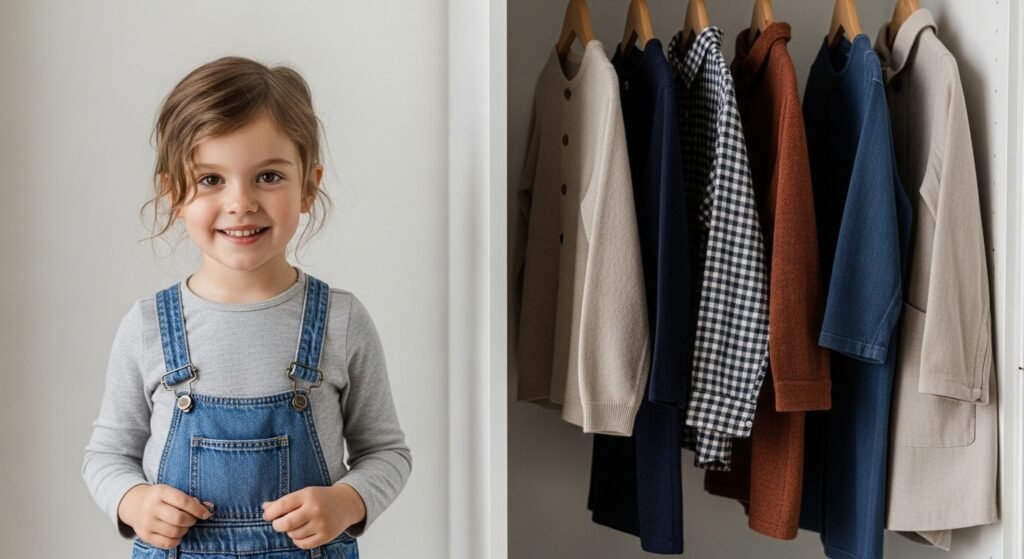
Many US parents are moving away from fast-changing fashion trends that kids quickly outgrow. Instead, they prefer timeless, versatile clothing that lasts longer and can be reused or passed down. This approach reduces waste, saves money, and creates a more stable, stress free wardrobe for children.
Kids Have a Bigger Voice Than Before
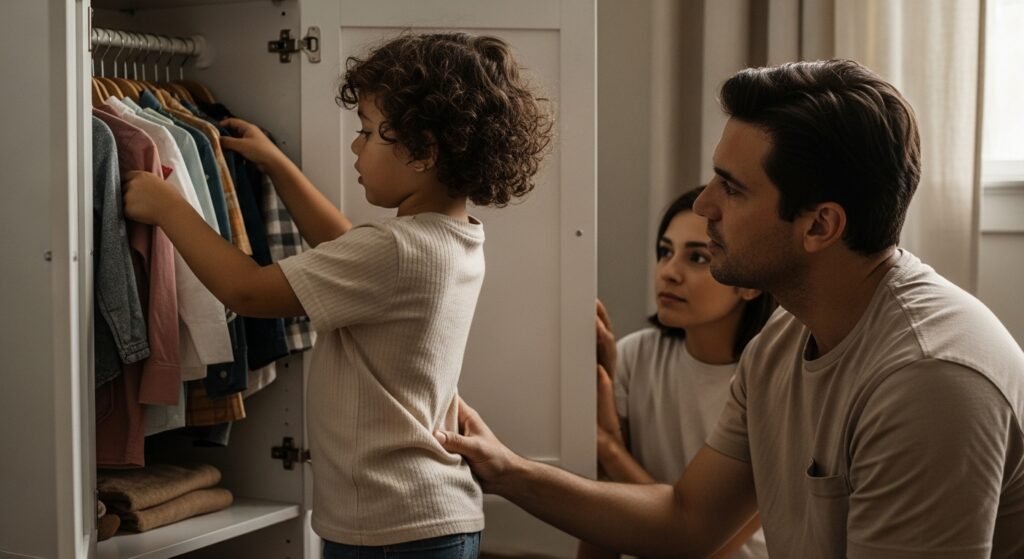
Parents are now giving children more say in what they wear. Allowing kids to choose outfits helps build confidence and independence. When children feel heard and comfortable in their clothes, daily dressing becomes easier and more positive for both kids and parents.
