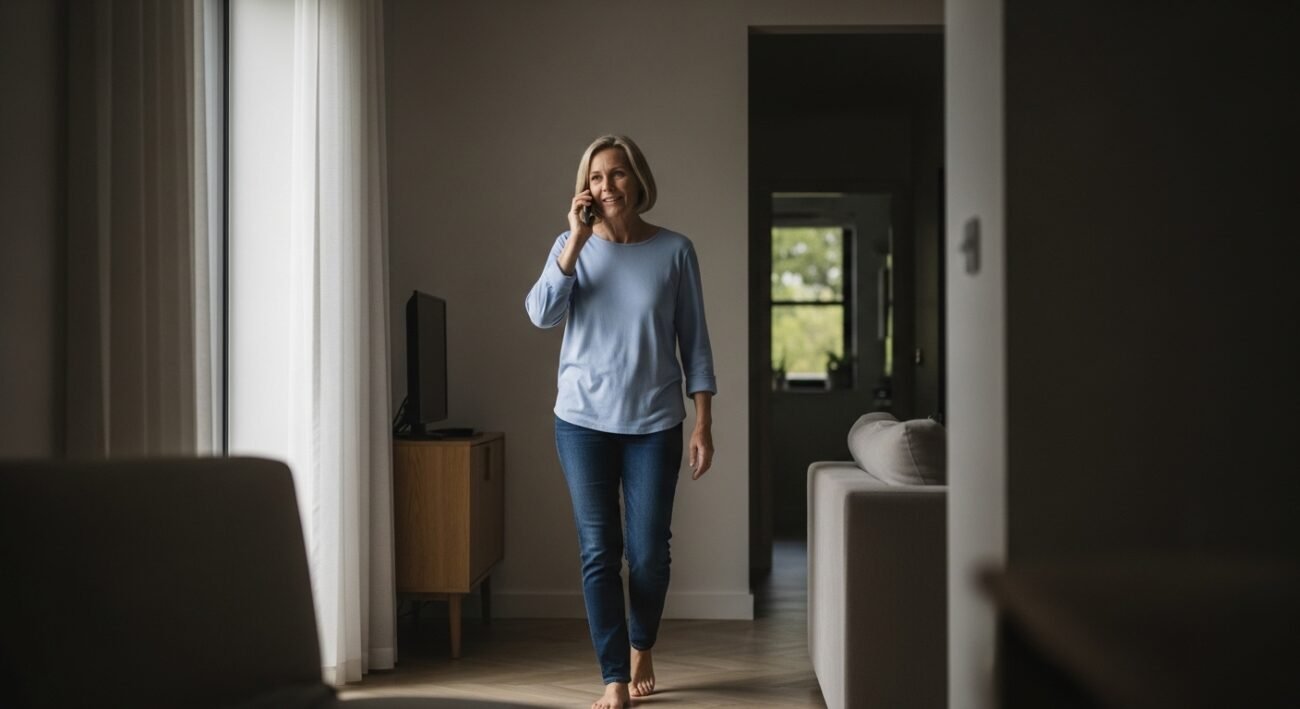
If you’ve ever been caught walking from room to room while talking on the phone, you’re not alone. Many people don’t even realise that they’re doing it until someone points it out. This habit isn’t random, it’s rooted in how our brains manage attention, emotion, and communication. Here’s why pacing feels so natural during phone calls.
Your Brain Needs Movement to Stay Focused

When you’re on the call, especially a long one, your brain works without virtual cues. Movement helps increase blood flow and mental alertness. Walking allows your mind to stay engaged, making it easier to listen, think, and respond naturally.
Pacing Helps Release Nervous Energy
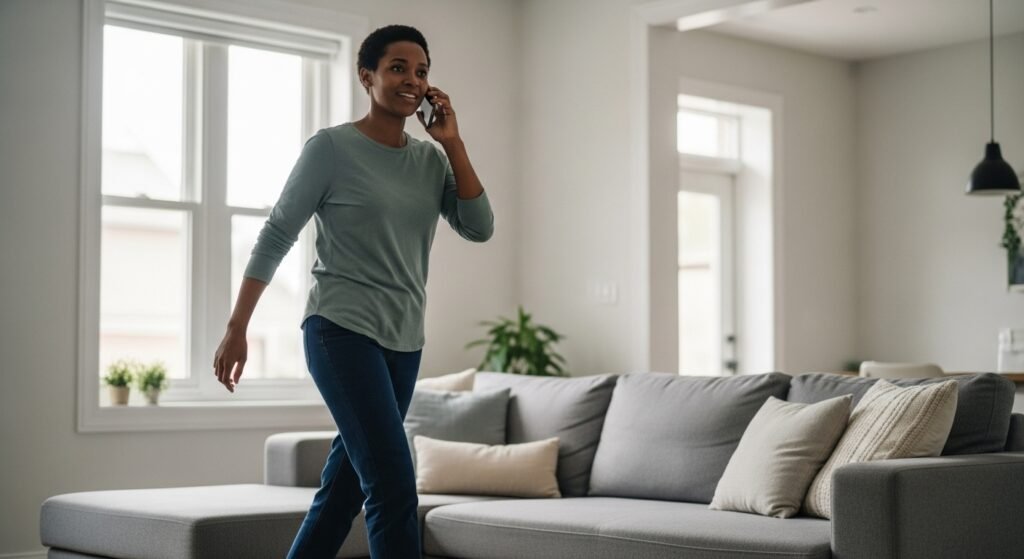
Phone calls can trigger excitement, stress, or anticipation. Pacing gives your body a physical outlet for that extra energy. Walking helps calm your nervous system and prevent restlessness, especially during important or emotional conversations.
Talking Without Visual Cues Feels Unnatural

In face-to-face conversations, body language plays a big role. On the phone, those cues disappear. Pacing replaces those gestures, helping your brain feel more expressive and involved in the conversation.
Movement Improves Memory and Word Recall
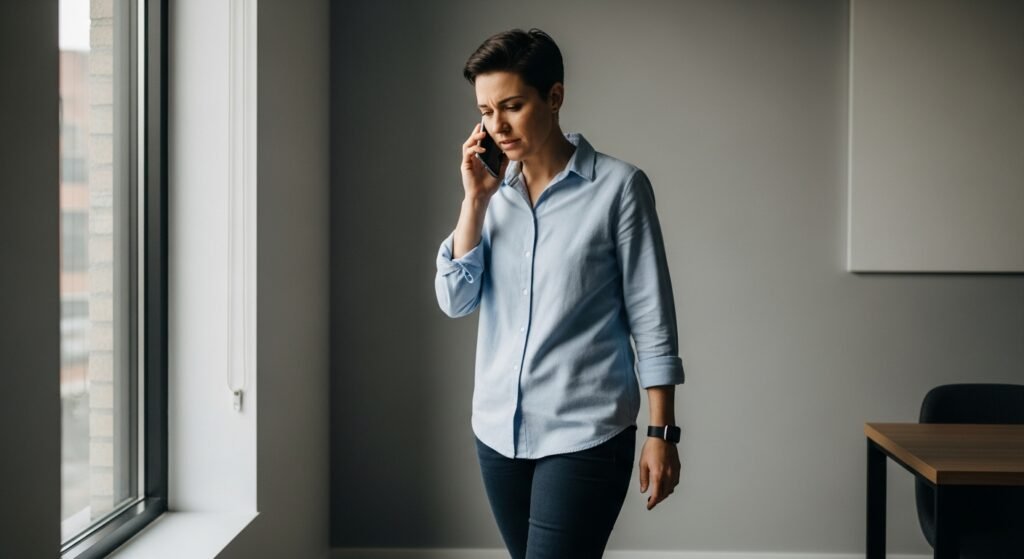
Studies suggest that light movement can improve thinking and memory. When you pace, your brain becomes more active, making it easier to find words, remember details, and express ideas clearly during a call.
Helps You Process Emotions Better
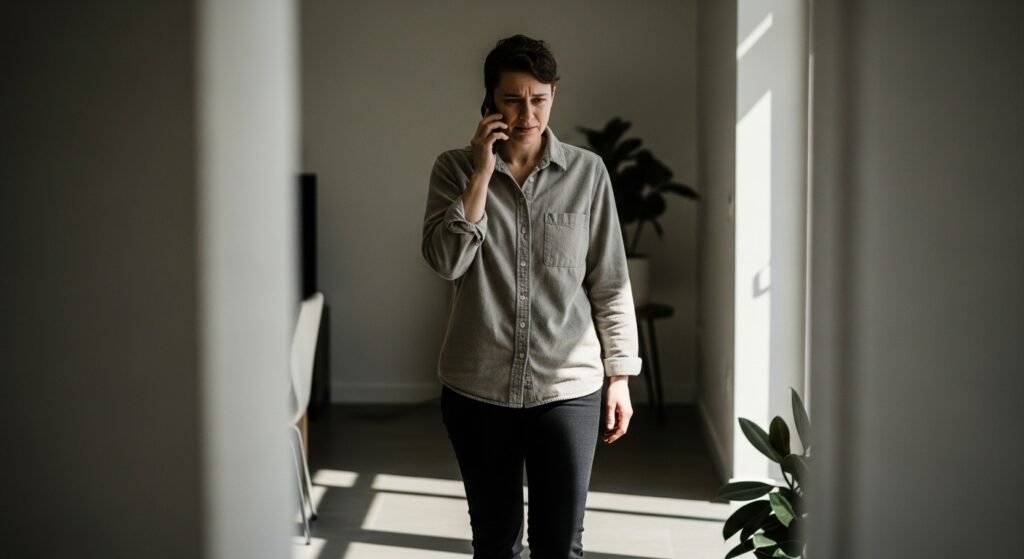
Emotional conversations often trigger movement. Walking helps regulate feelings like excitement, anxiety, or frustration. That’s why people naturally pace during serious, happy, or stressful phone calls, it helps emotions feel more manageable.
Your Body Is Mirroring Conversation Flow

As conversations change pace, so does your movement. Faster walking may watch excitement, while slower pacing reflects thoughtful moments. Your body unconsciously mirrors the rhythm of the conversation.
It Reduces Physical Tension
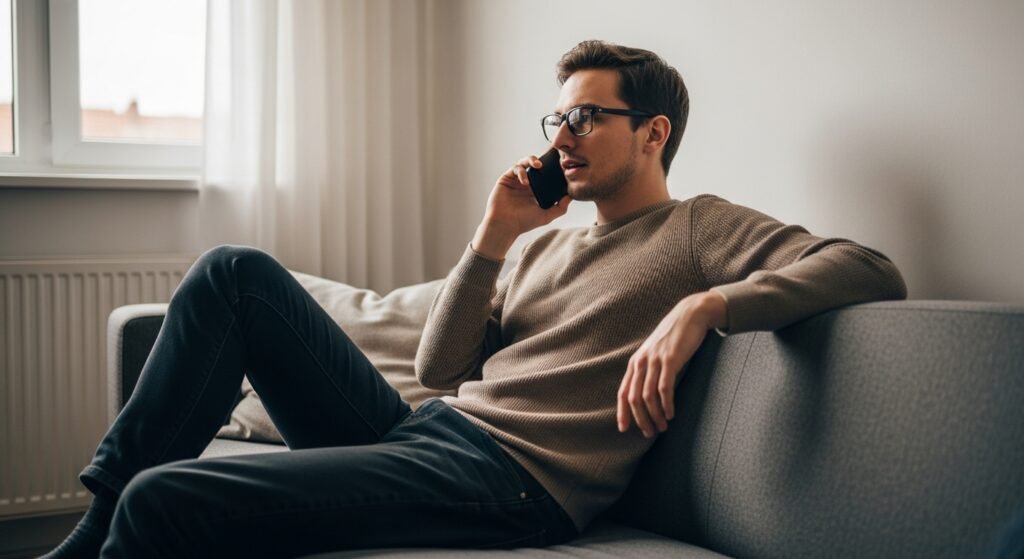
Sitting still for long calls can create stiffness or discomfort. Pacing keeps your muscles relaxed and prevents tension builds up in the neck, shoulders, and back, especially during long discussions.
Habit Formed From Years of Phone Use
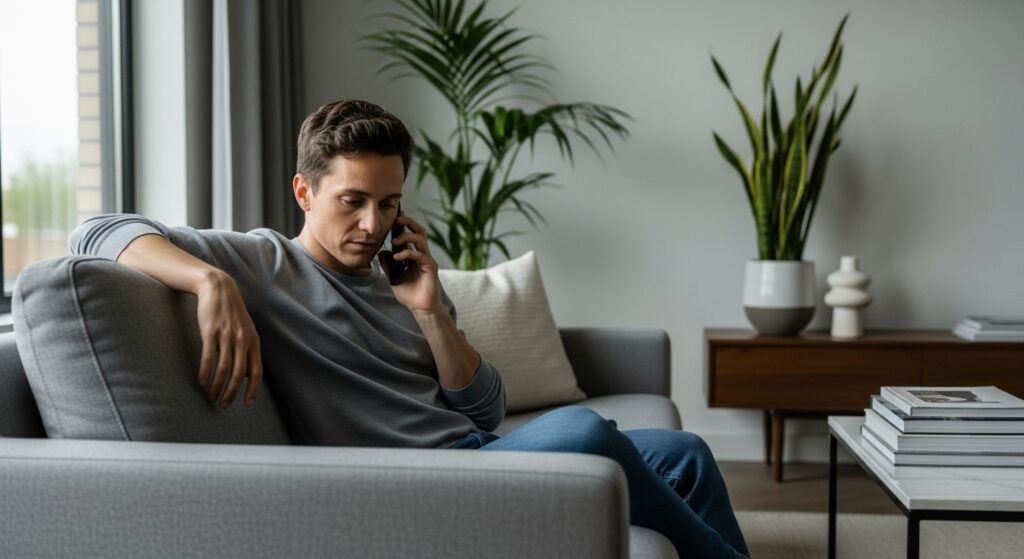
Many people started packing back when phones were cordless or landlines, required movement. Over time, the habit stuck. Now, the brain associates phone conversations with walking, even when it’s no longer necessary.
You Feel Less Self-Conscious When Alone
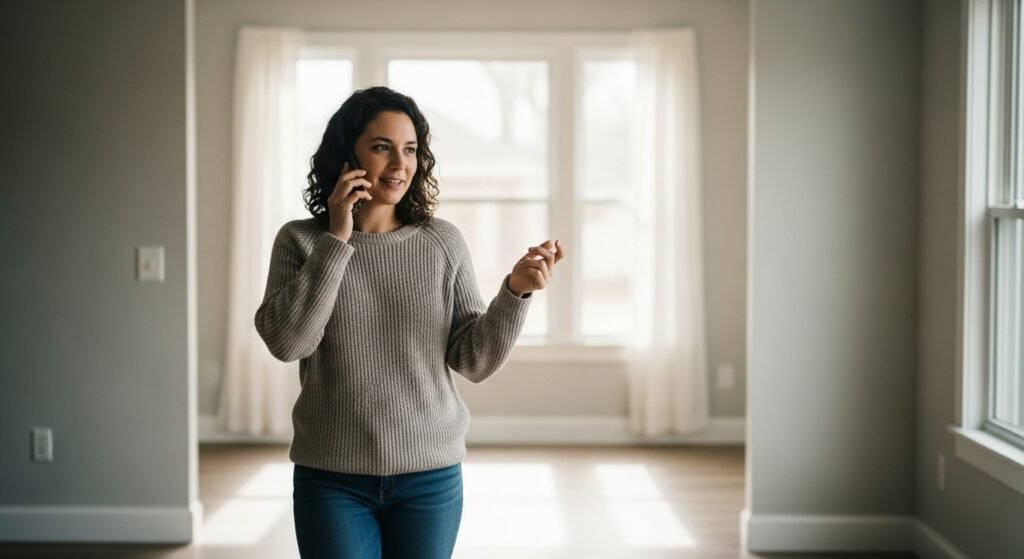
When you’re alone, you feel freer to move naturally. Pacing helps you speak openly without worrying about how you look. It creates a private space where you can focus fully on the conversation.
